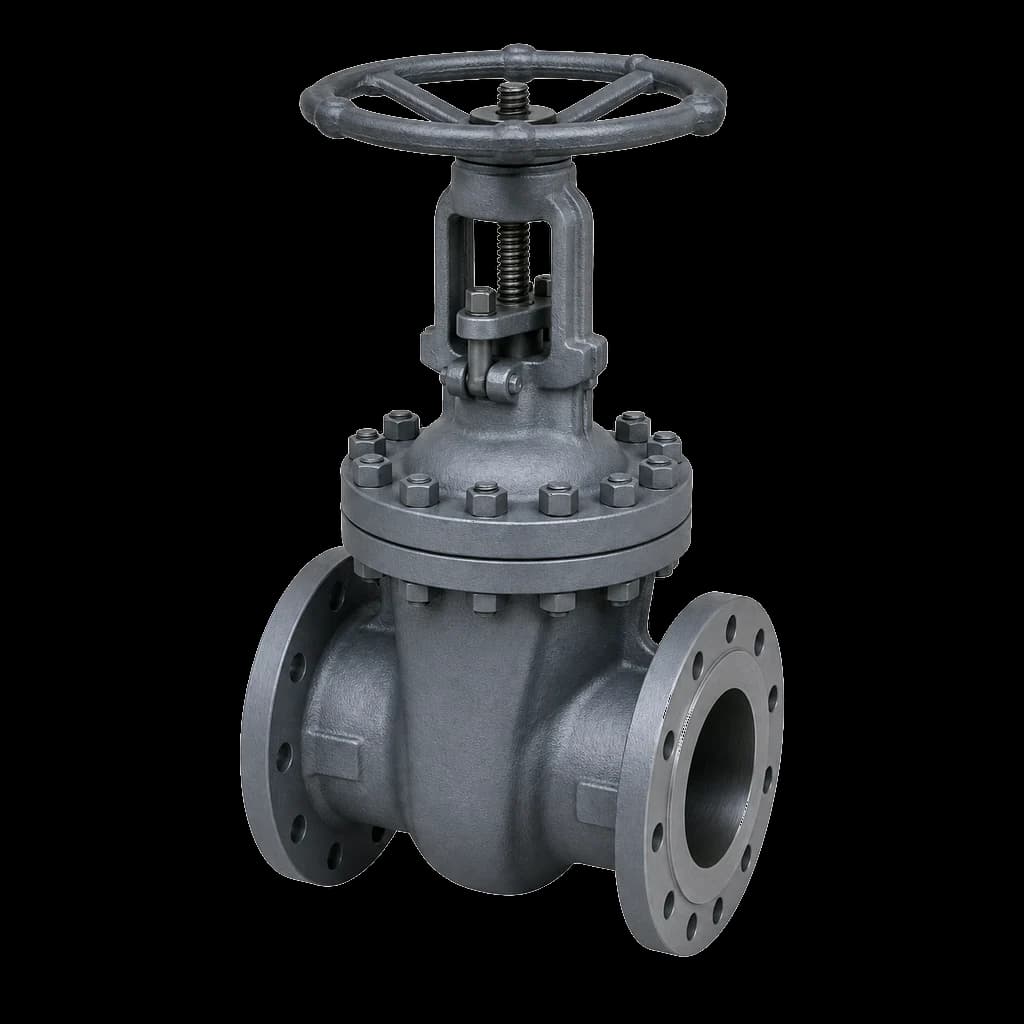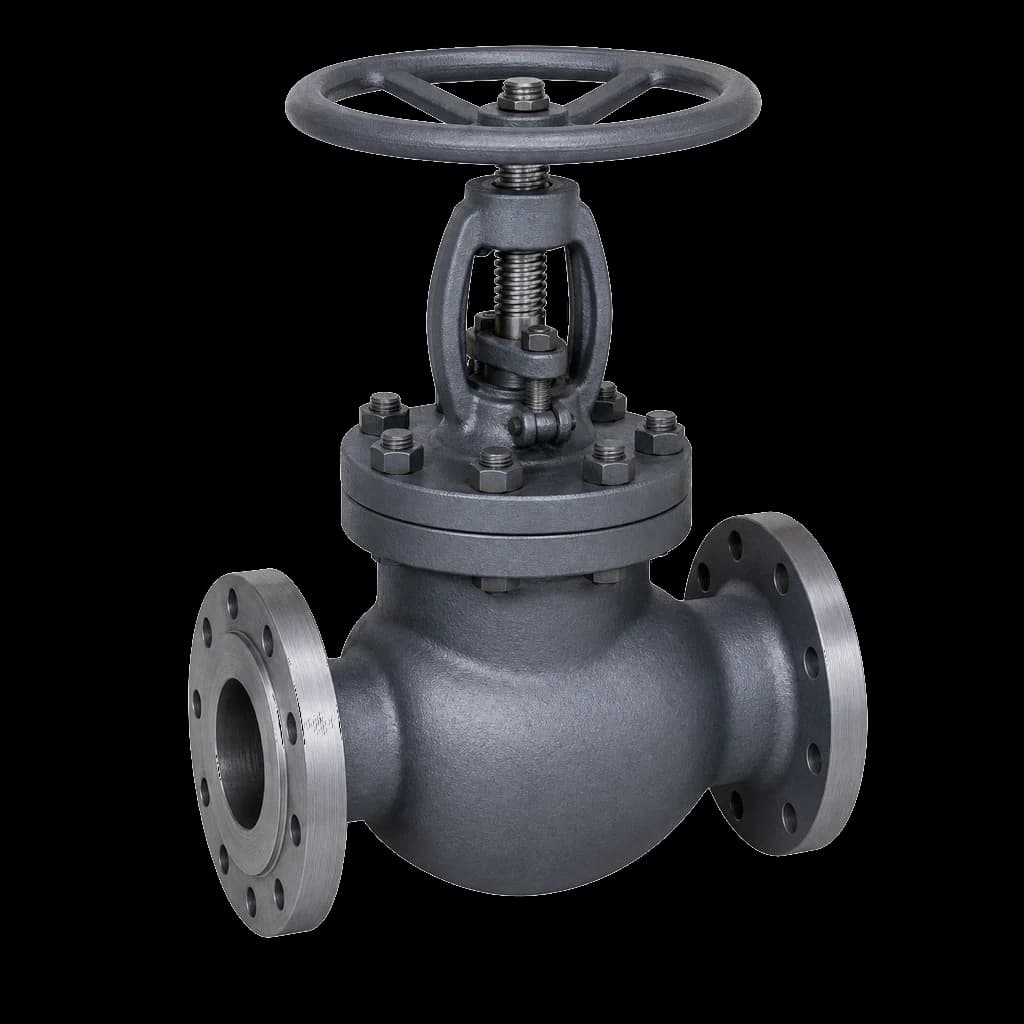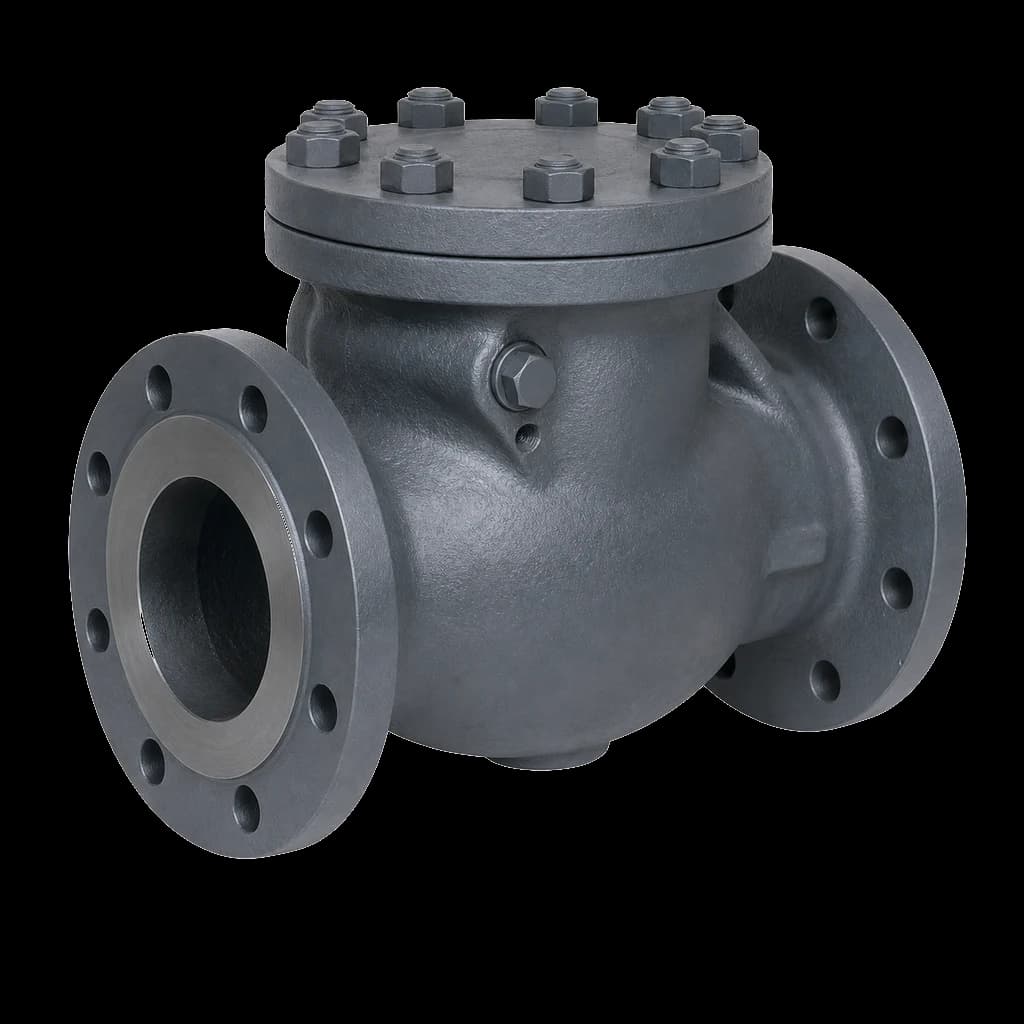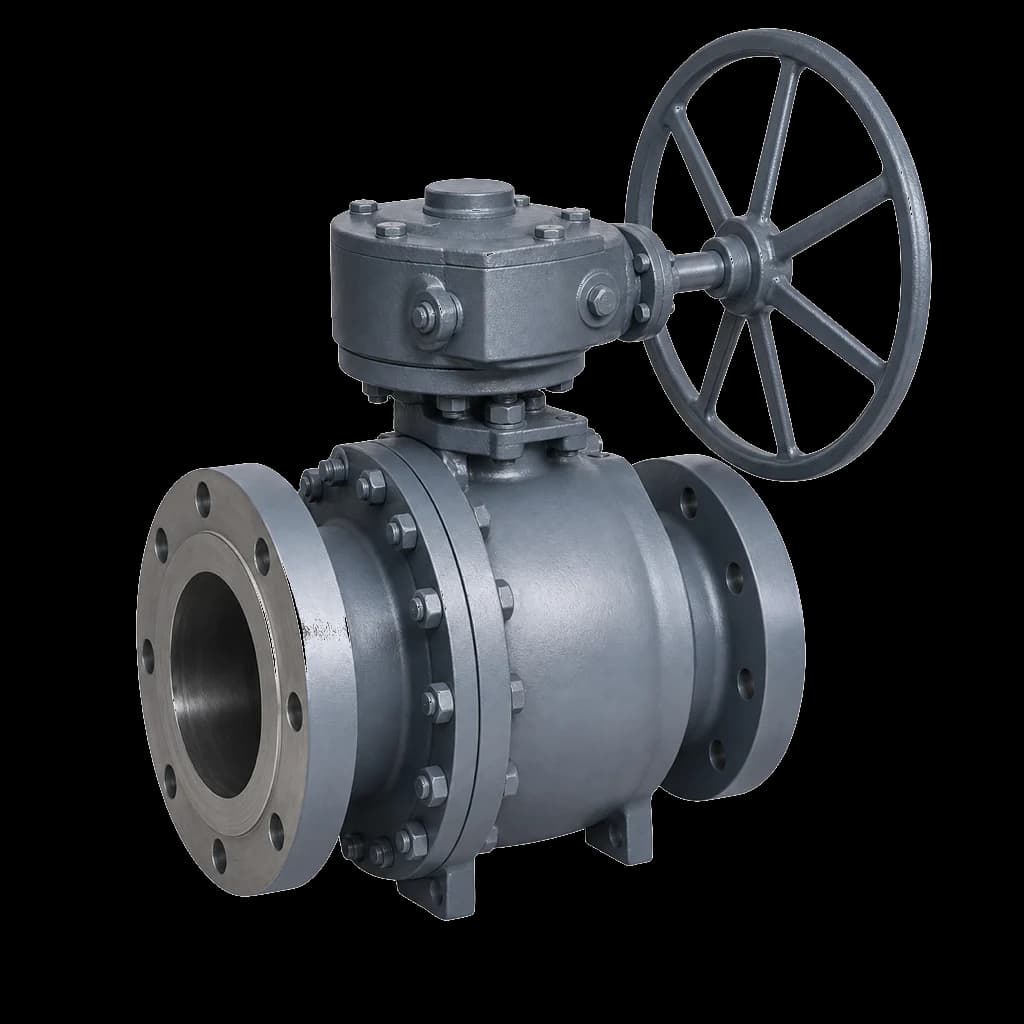
For a valve or fitting manufacturer selling into Indian hydrocarbons, EIL vendor registration is the approval that moves the most tonnage. Engineers India Limited designs a large share of the country's refinery, petrochemical, fertiliser and cross-country pipeline capacity, and the bidder list attached to an EIL material requisition is drawn from its enlisted vendors. Get on that list for the right item category and your works is quoted into projects for IOCL, BPCL, HPCL, ONGC and GAIL. Stay off it and your product can be fully compliant and still commercially invisible.
What EIL vendor registration actually buys you
EIL works as design and project management consultant for its clients, which means it writes the specification, issues the material requisition (MR) and draws the bidder list against it. Enlistment puts your plant on that list. It is a technical qualification of a manufacturing works, not a commercial promise.
- It gets you enquiries you would otherwise never see. Critical-item MRs go to a named bidder list, not to an open field.
- It is granted to a works, not to a company. A second plant, or a shifted factory, is a fresh assessment — not an address correction.
- It does not override the owner's own AVL. IOCL, BPCL, HPCL, ONGC and GAIL maintain their own approved vendor lists, and a job specification can demand both.
- It does not travel to your dealer. A trading house is not "EIL approved" because its principal is; the enlistment names the manufacturer.
If you are mapping the whole Indian approval landscape — GeM, the railways, BHEL, the other consultants — start with our PSU vendor registration guide. What follows is the refinery end of it.
Item category codes: the scope you apply for is the scope you get
EIL organises enlistment around item categories, each carrying its own code, criteria sheet and questionnaire. Valves are not one category. Cast steel gate, globe and check valves sit apart from forged small-bore valves; ball valves, butterfly valves, plug valves and strainers are separate again; and within each category the approval is bounded by a size range, a pressure-class band and a material group. An enlistment for carbon steel cast gate valves to 12" Class 300 does not let you quote a 24" Class 600 valve in CF8M, and no amount of goodwill at the procurement desk will stretch it.
Download the current category list and criteria sheet from EIL's vendor section before you write a word of the application; criteria get revised, and a dossier built against a superseded sheet reads as careless. Then make the scope call honestly — the band your shop can evidence today, or the band you want with every element of it proved.
- Under-claiming is cheap to fix. A scope extension backed by executed orders and an upgraded test bay is a far shorter conversation than a first enlistment.
- Over-claiming is expensive. A claimed 42" capability with no boring mill of that swing, no hydro fixture at that size and no executed order above 16" invites a rejection that colours the next file you send.
- Material groups are a capability question, not a line item. Carbon steel, low-alloy WC6/WC9, austenitic stainless and duplex differ in welding procedure qualification, heat treatment, PMI discipline and — for duplex — ferrite control.
- Fittings follow the same logic. Forged socket-weld, threaded and butt-weld fittings are distinct categories with distinct evidence, even inside one factory.
The four gates every valve category is judged at
Category sheets differ in detail, but every assessment resolves into four questions: can you pay for the order, can you make the item, can you prove it, and have you done it before.
Financial standing
Audited financials for the last three years, turnover proportionate to the order values that flow through the category, positive net worth and a banker's solvency certificate. Public procurement relaxes prior turnover and prior experience for MSEs and startups under the General Financial Rules; that is a relaxation of commercial qualification, not of the technical capability EIL is testing.
Manufacturing infrastructure
A plant and machinery list with sizes and capacities, not model names. Casting or forging source, in-house or tied up, with traceability either way. Heat treatment furnaces with calibrated recorders. Machining, assembly and painting capacity matched to the claimed band. EIL scrutinises the casting source hard: a body supplier with no chemical analysis on file, no radiography record and no positive material identification will stall the application, however good your machine shop is.
Testing capability and quality system
ISO 9001 whose scope statement actually names the product you are applying for. A quality assurance plan written for the item, with stage-wise hold and witness points. Calibration traceable to national standards. NDT technicians certified to ASNT SNT-TC-1A Level II. Hydro benches rated for the class band claimed, and a spectrometer or a contracted PMI arrangement. The assessor's questions here track an inspector's at factory acceptance testing, so our valve inspection and FAT checklist is a useful rehearsal.
Past track record
Executed orders for the same item in a comparable size and rating, preferably in hydrocarbons, evidenced by purchase orders plus performance or completion certificates. This is where first-time applicants are short, and it cannot be faked. The honest routes are a narrower first scope, supply into an EPC package where the buyer carries the approval, or building the record in adjacent process industries.
How the enlistment runs, stage by stage
| Stage | What happens | What decides the outcome |
|---|---|---|
| Category study | Download the item category list, criteria sheet and questionnaire | Choosing a scope your machinery and executed orders can evidence |
| Online application | Registration on EIL's vendor portal with the completed questionnaire and dossier | Completeness — every annexure the questionnaire names actually attached |
| Scrutiny and queries | Desk review; clarifications raised on documents and on claimed scope | Turnaround speed and whether answers stay consistent with the file |
| Technical evaluation | Assessment by the relevant engineering discipline against the category criteria | Type test reports, QAP, machinery and test facilities versus the claimed band |
| Shop capability assessment | Works visit — plant, test bay, QC records and work in progress | What the assessor sees running, not what the brochure claims |
| Enlistment decision | Approval against the item category with a defined size, class and material scope | Whether all four gates cleared for the same band, not for different ones |
| Post-enlistment | Inclusion in bidder lists; performance feedback from supplies and inspection | Delivery record, quality of inspection calls, rejection rate at FAT |
Plan in months, not weeks: elapsed time is dominated by query cycles rather than by EIL's own steps, and every missing annexure buys another round trip. Assemble the complete dossier, type test reports included, before you open the application. The same discipline pays on the GeM vendor assessment, which runs on a largely overlapping document set.
The shop capability assessment: what the visit actually tests
The works visit is not a factory tour. Assessors arrive holding the category criteria and your claimed scope, and they work down it. Expect them to:
- Trace one job end to end — pick a valve off the assembly line, ask for the heat number, mill certificate, PMI record, NDT report and hydro chart, and see whether the chain closes.
- Watch a hydrostatic test run rather than read a certificate: gauge calibration, fixture, holding time, who signs the chart.
- Check calibration status on pressure gauges, torque wrenches, hardness testers and the spectrometer. Expired stickers are the commonest finding.
- Read welder and NDT qualifications — WPS, PQR and welder records to ASME Section IX, and Level II certificates for the technicians on shift.
- Open the rejection and NCR registers. A shop with no non-conformances recorded is not a disciplined shop; it is a shop that does not record them.
- Ask how sub-vendors are controlled — foundry, forging, bolting, gaskets, actuators — and what you do when one of them slips.
Most visits turn on two things. The first is whether the test bay matches the claimed pressure class: the shell test alone runs at one and a half times the 38 °C rating, so a bench that tops out at Class 300 cannot evidence a Class 900 enlistment. The second is traceability discipline on the floor — uncontrolled stamps, unsegregated material and hand-written heat numbers undo an otherwise strong file faster than any document gap.
Type tests and standards that decide a valve category
EIL specifications are layered on top of API, ASME and BS documents, and the type tests you can produce largely determine which categories you clear. On soft-seated valves for hydrocarbon service, a missing fire-safe type test is a hard stop, not a query.
| Valve type | Design and test standards typically referenced | Evidence to hold on file |
|---|---|---|
| Cast steel gate valves | API 600, or API 603 for corrosion-resistant bodies; ASME B16.34, B16.10, B16.5 | Shell, seat and backseat tests to API 598; MTCs to EN 10204 3.1 or 3.2 |
| Forged small-bore valves | API 602, ASME B16.34, B16.11 socket-weld and threaded ends | API 598 test records; traceability on A105 and A182 forgings |
| Globe and check valves | BS 1873 or API 623 for globe; BS 1868 for swing check; API 594 for dual plate | API 598 records, seat and disc hardness data, NDT on pressure parts |
| Ball valves | API 6D for pipeline duty or API 608, with ASME B16.34 | Fire-safe test to API 607 or API 6FA; fugitive emission to ISO 15848-1 |
| Butterfly valves | API 609 Category A or B, with ASME B16.34 on Category B bodies | Fire-safe test where soft seated; torque and cycle test data |
| Sour service items | NACE MR0175 / ISO 15156 over the base design standard | Hardness surveys, heat treatment records, certified sour-service material |
Two of those rows deserve a warning. Sour-service capability is judged on hardness control and heat treatment records, not on a certificate that prints the word NACE — NACE MR0175 for sour service valves sets out what the standard constrains. And a fugitive-emission certificate to ISO 15848-1 qualifies one design at one tested size and class; it does not blanket a catalogue, and the assessor will ask which valve was on the rig.
Where applications stall
- Scope written by sales, evidence supplied by production. They must be the same document before the file is opened.
- Track record from the wrong sector. Municipal water board and fire-fighting supplies do not evidence a refinery category, however large the order value.
- A quality assurance plan that is a template. Stage-wise inspection referenced to the actual specification, with hold and witness points marked, is the minimum.
- Inconsistent corporate identity. Factory address, ISO 9001 scope, GST registration and Udyam data must agree exactly; assessors cross-read them.
- Unproven casting source. No traceability from heat to body, no PMI capability, no radiography record on a critical casting.
- Documents that expire mid-assessment. ISO, calibration and type test certificates all age — renew before you file, not after the query.
Staying enlisted, and reading the label from the other side
Enlistment is reviewed, not granted for life. Performance feedback from inspection and from site flows into the vendor record, so delivery slippage, a high rejection rate at FAT or a valve that fails in commissioning shows up long before the next review. At the far end sits holiday listing — suspension from enquiries for a defined period — which PSU bid documents require you to declare. Treat the first order after enlistment as the last stage of the approval.
If you are the buyer, not the applicant
"EIL approved" is among the most abused phrases in Indian valve selling, and three questions resolve it: approved for which item category, over what size and class band, and in whose name — an enlistment names a manufacturing works, never the trading company reselling from it. A supplier who cannot produce one for the exact category on your MR may still be offering product from an enlisted maker: a legitimate thing to say, but a different claim, and it belongs in the offer in writing. For refinery isolation and non-return duty we quote cast steel gate valves and API 6D ball valves with the enlistment position of the manufacturer stated plainly, never implied.