
The guides we wish every tender attached
Standards explainers, materials decoders, selection guides and procurement playbooks written for working engineers — exact designations, honest trade-offs, no marketing.
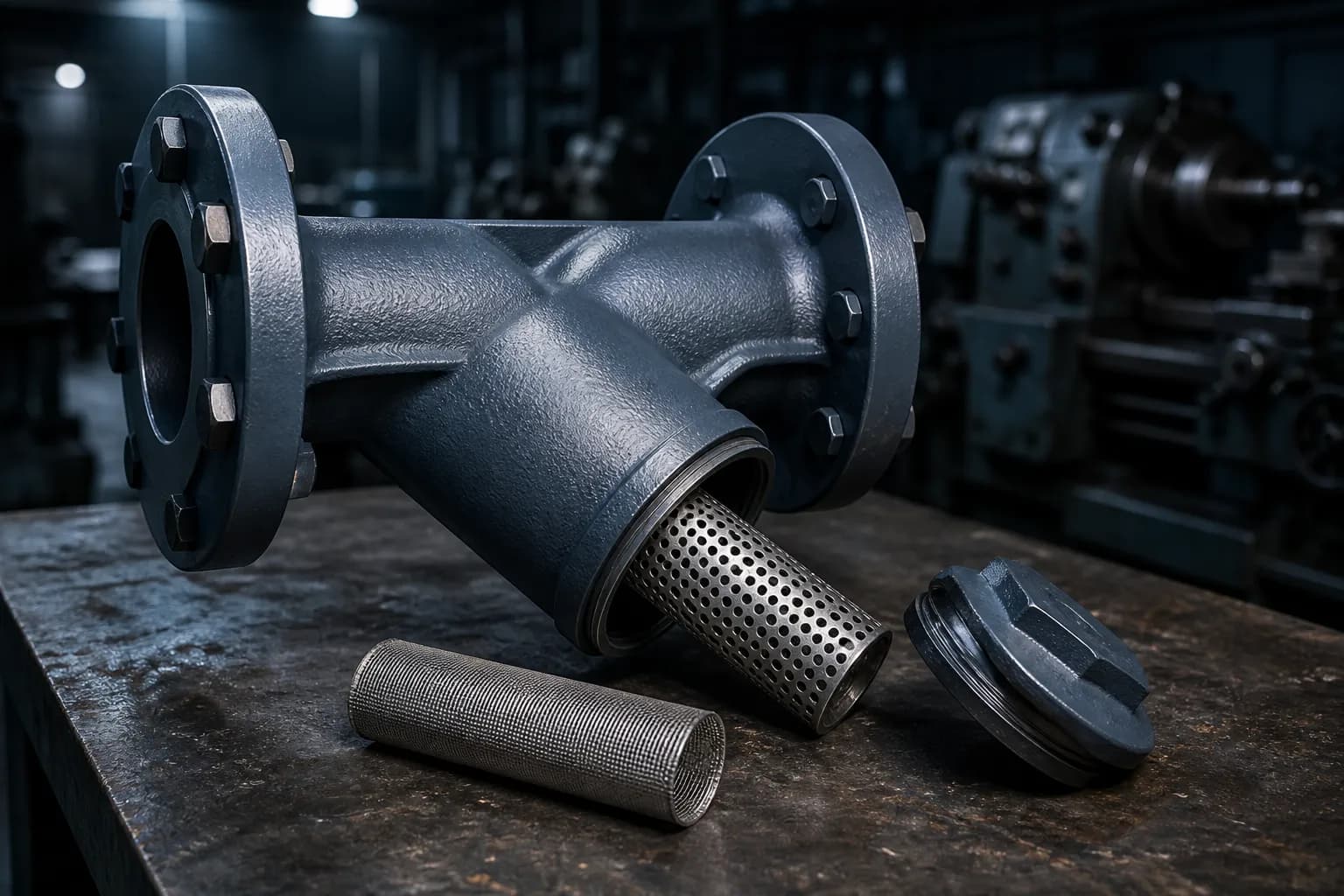
Y-Type Strainer Sizing: Mesh, Screen Area and Pressure Drop
Y type strainer sizing without guesswork: mesh-to-micron apertures, open area ratios, dirty pressure drop, screen collapse limits and orientation rules.
Read guide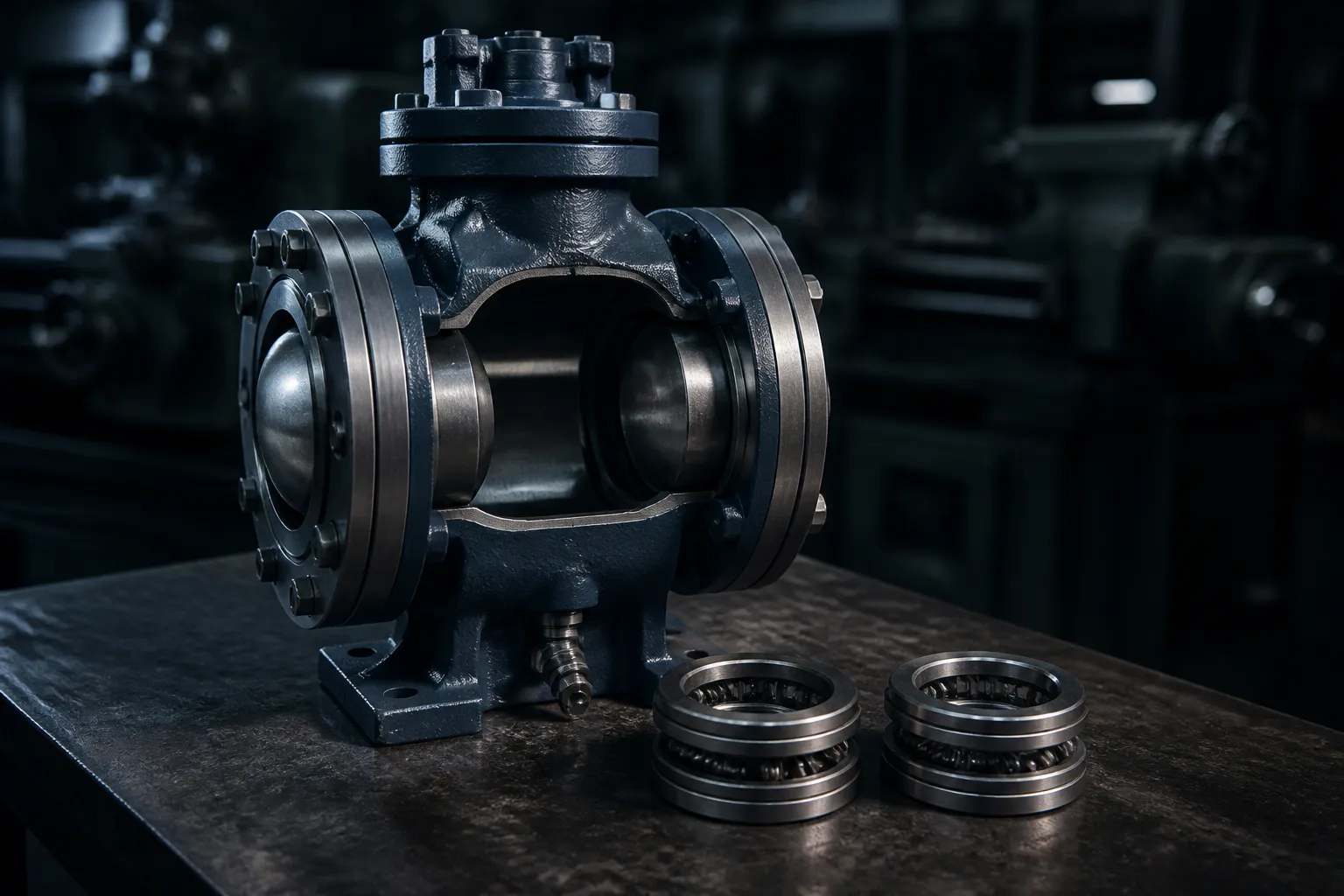
Double Block and Bleed Valves: DBB vs DIB and Cavity Relief
Double block and bleed valve specification: what API 6D DBB, DIB-1 and DIB-2 actually deliver, self-relieving vs double-piston seats, and cavity relief.
Read guide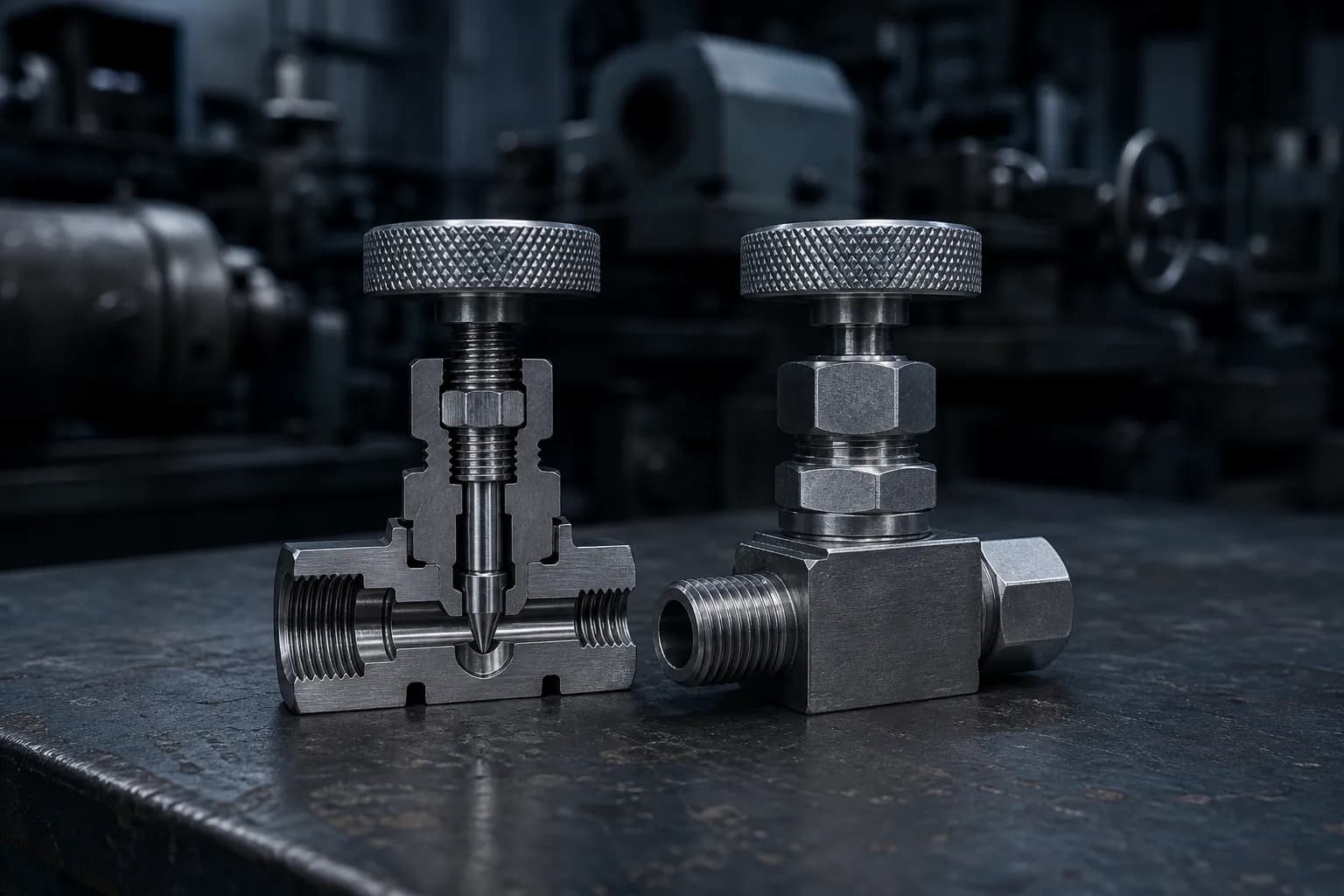
Needle Valves for Gauge and Instrument Isolation: Sizing and Specs
Needle valve selection for gauge and instrument isolation: stem taper, 316 bar-stock ratings, NPT vs BSP roots, packing limits and 2/3/5-valve manifolds.
Read guide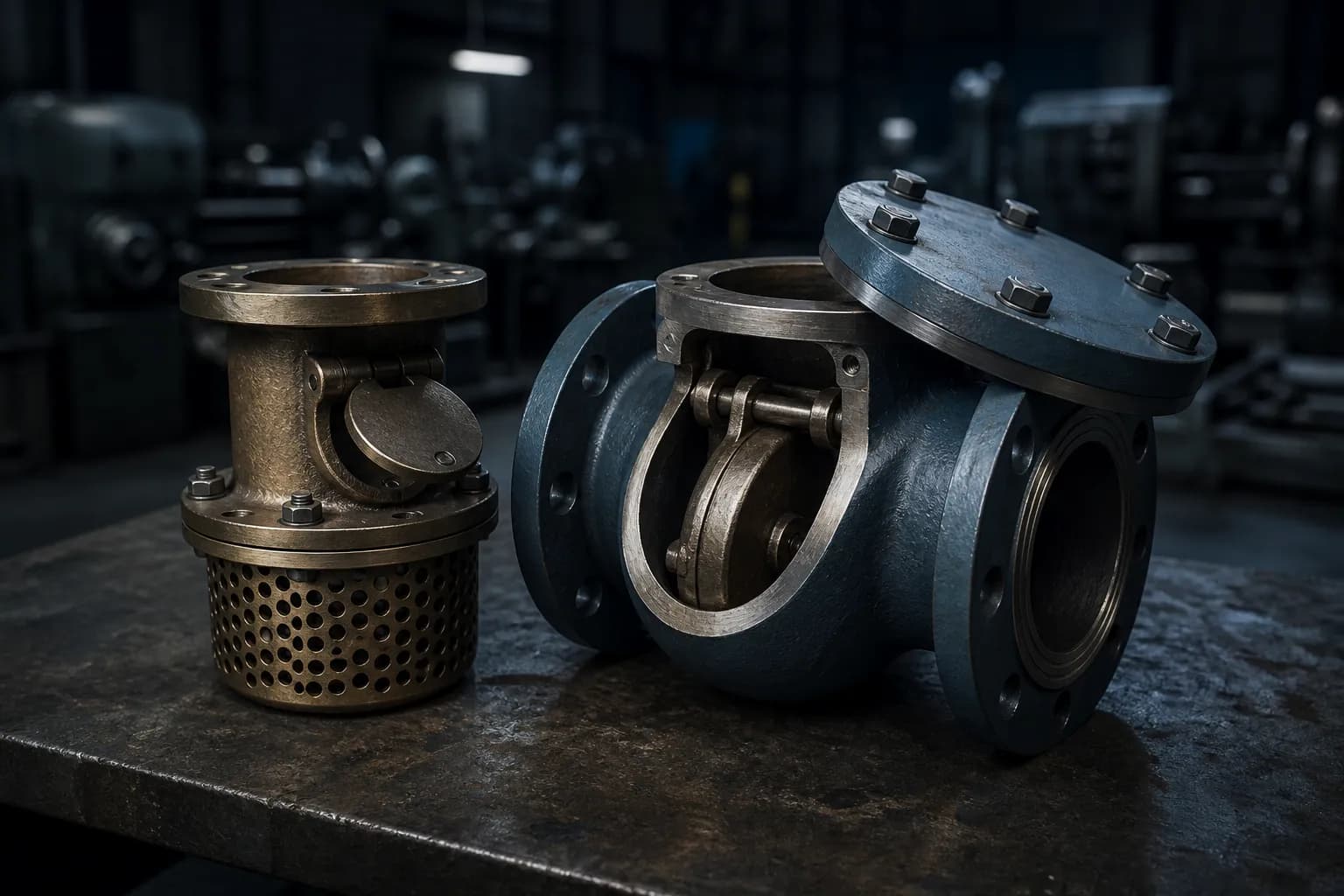
Foot Valve for Pump Suction vs NRV: Priming, Strainers, Sizing
A foot valve for pump suction holds prime and screens the sump; a discharge NRV cannot. Ball vs flap types, screen open area, NPSH penalty, CI vs bronze.
Read guide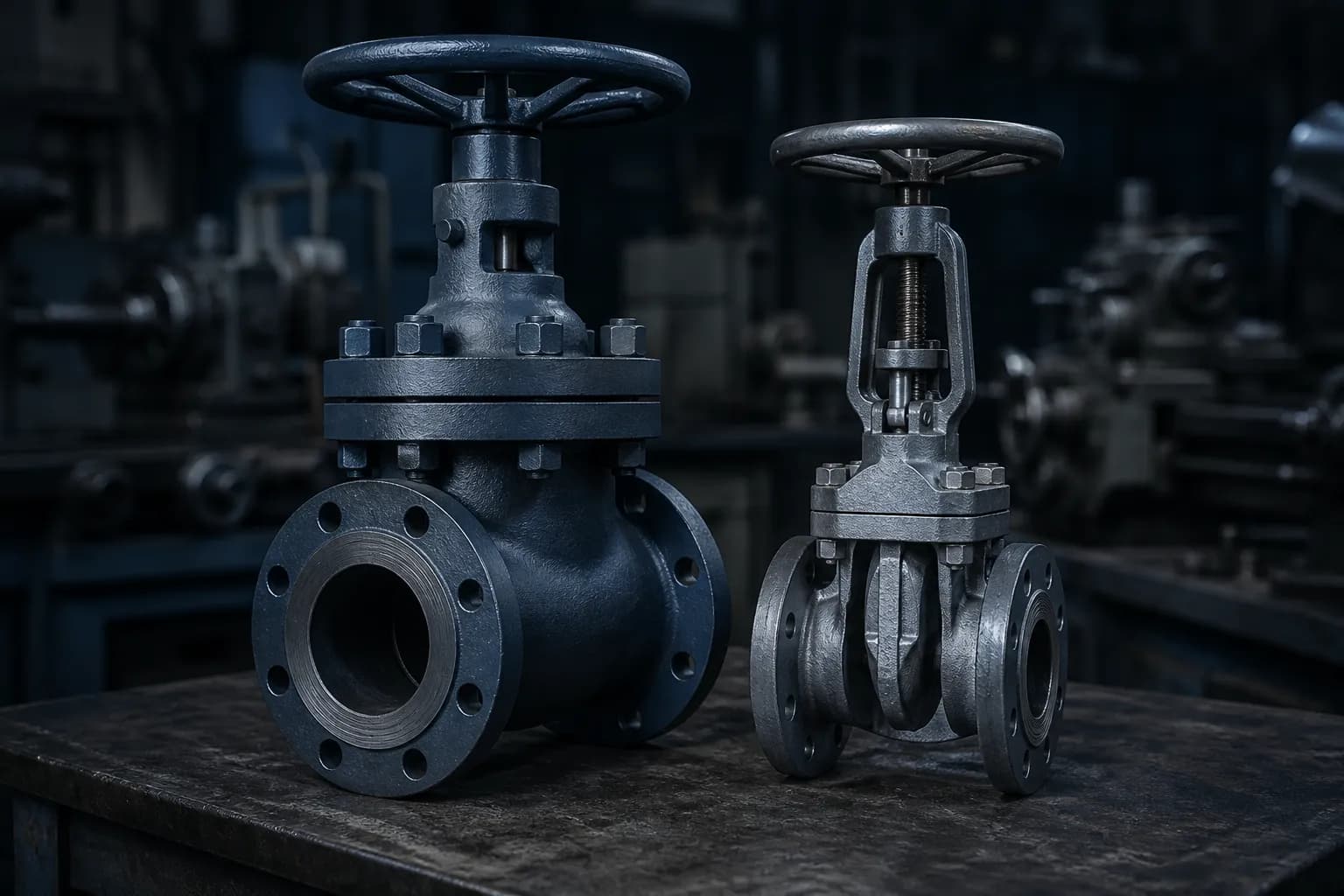
Sluice Valve vs Gate Valve: CI Bodies, IS 14846 and Water Duty
Sluice valve vs gate valve: what IS 14846 fixes that API 600 does not — CI and DI bodies, PN drilling, non-rising spindles, and when each is the wrong buy.
Read guide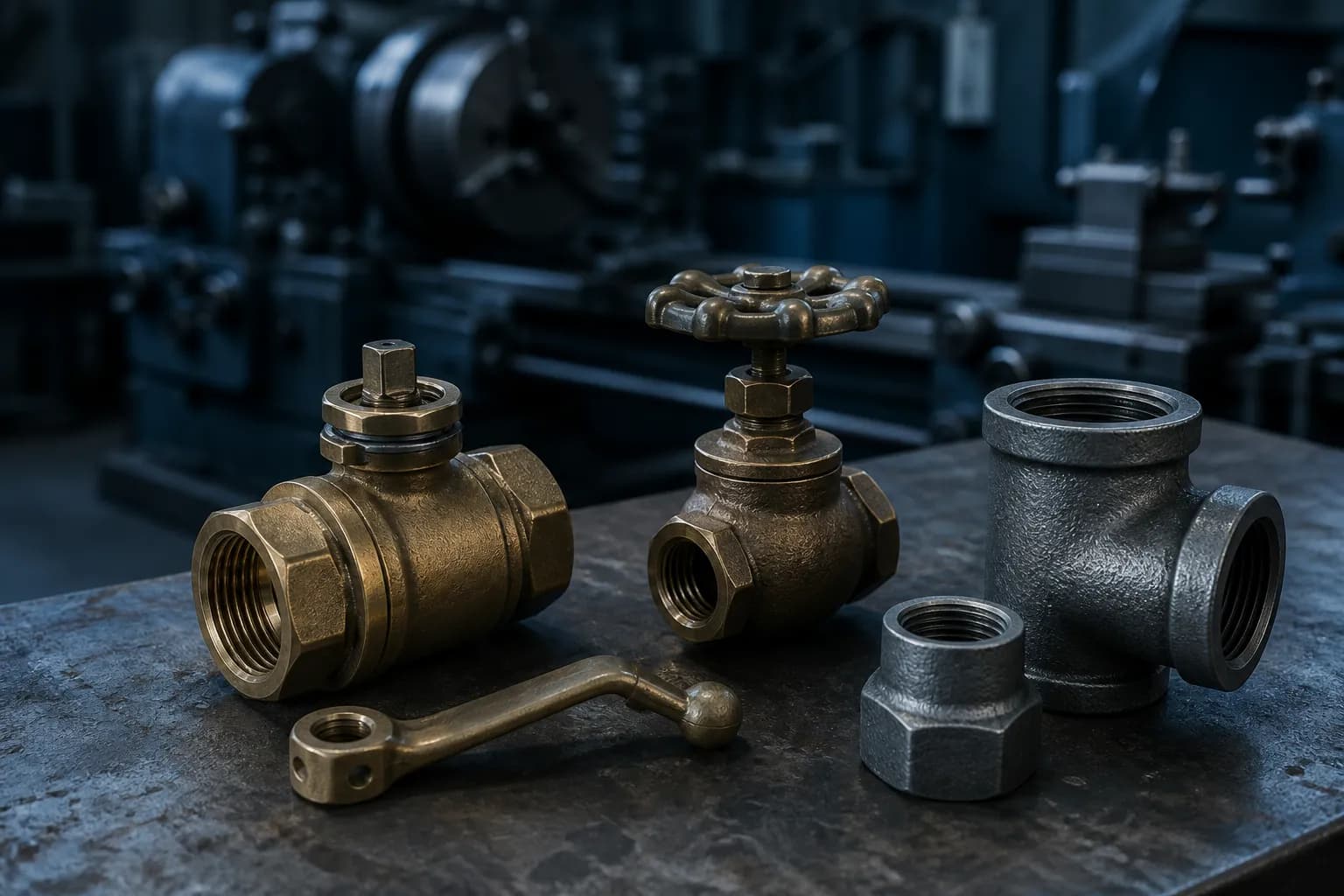
HSN Code for Valves and Pipe Fittings: GST Rates in India
HSN code for valves and pipe fittings: what sits under 8481, 7307 and 7306, why 18% GST applies to almost every line, and the splits that fail a PO match.
Read guide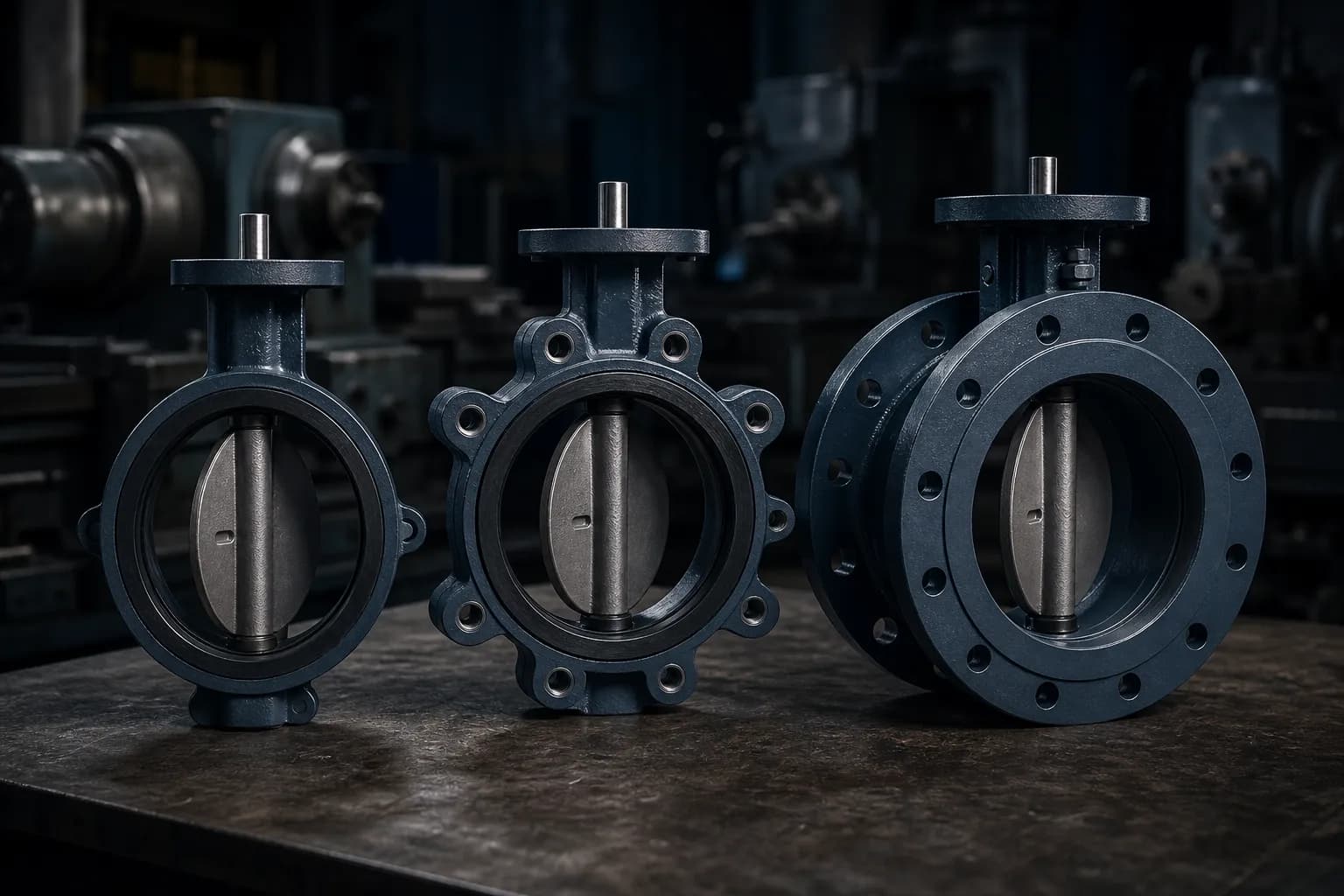
Wafer Type Butterfly Valve vs Lug vs Double-Flanged Bodies
Wafer type butterfly valve vs lug vs double-flanged: the dead-end rule, disc projection, IS 1538 and ASME drilling, and which body style each duty needs.
Read guide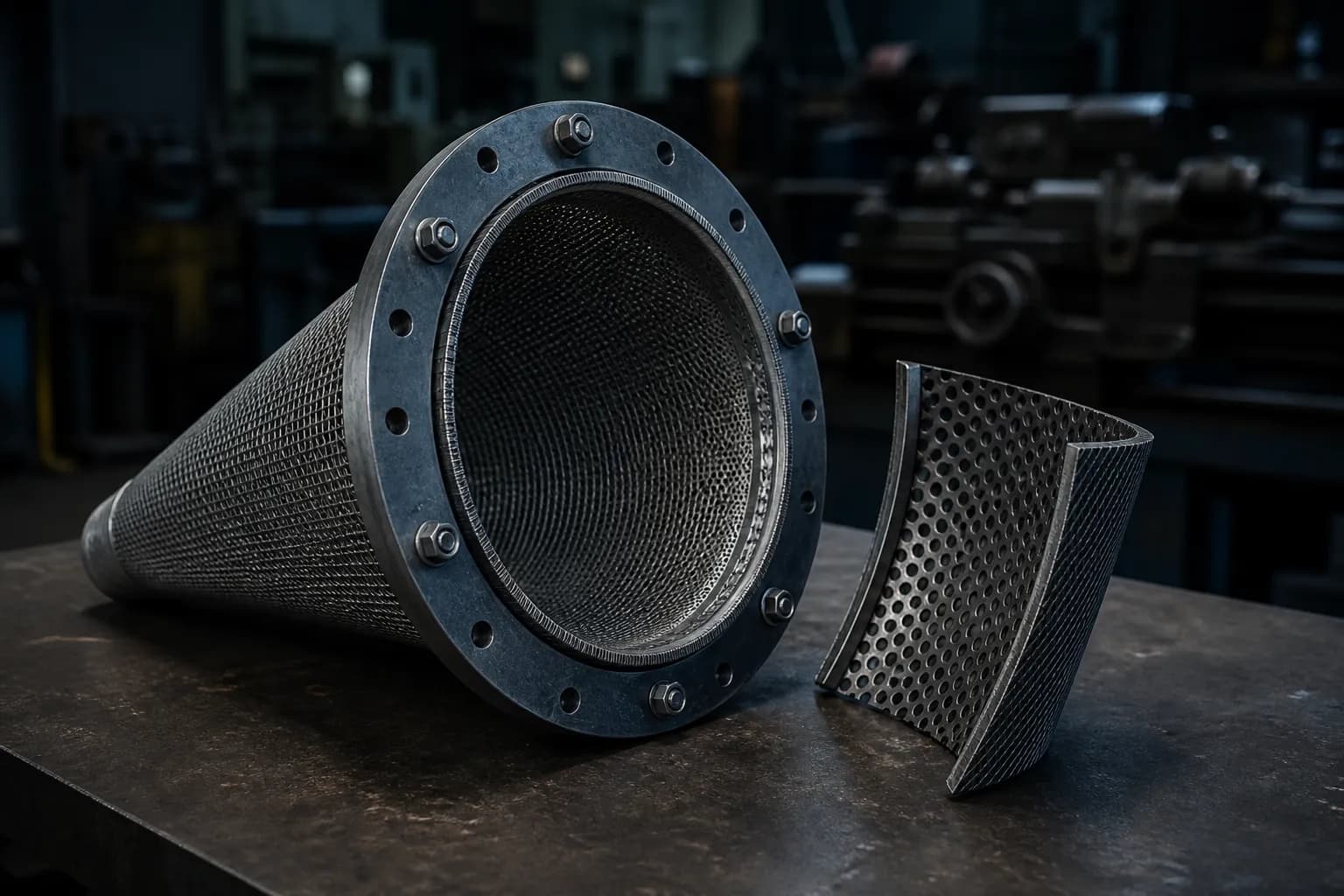
Pump Suction Strainer Sizing: Mesh, Open Area and NPSH Loss
Suction strainer selection for pumps: mesh and perforation apertures, net open-area ratio, conical versus basket and pot elements, and NPSH loss.
Read guide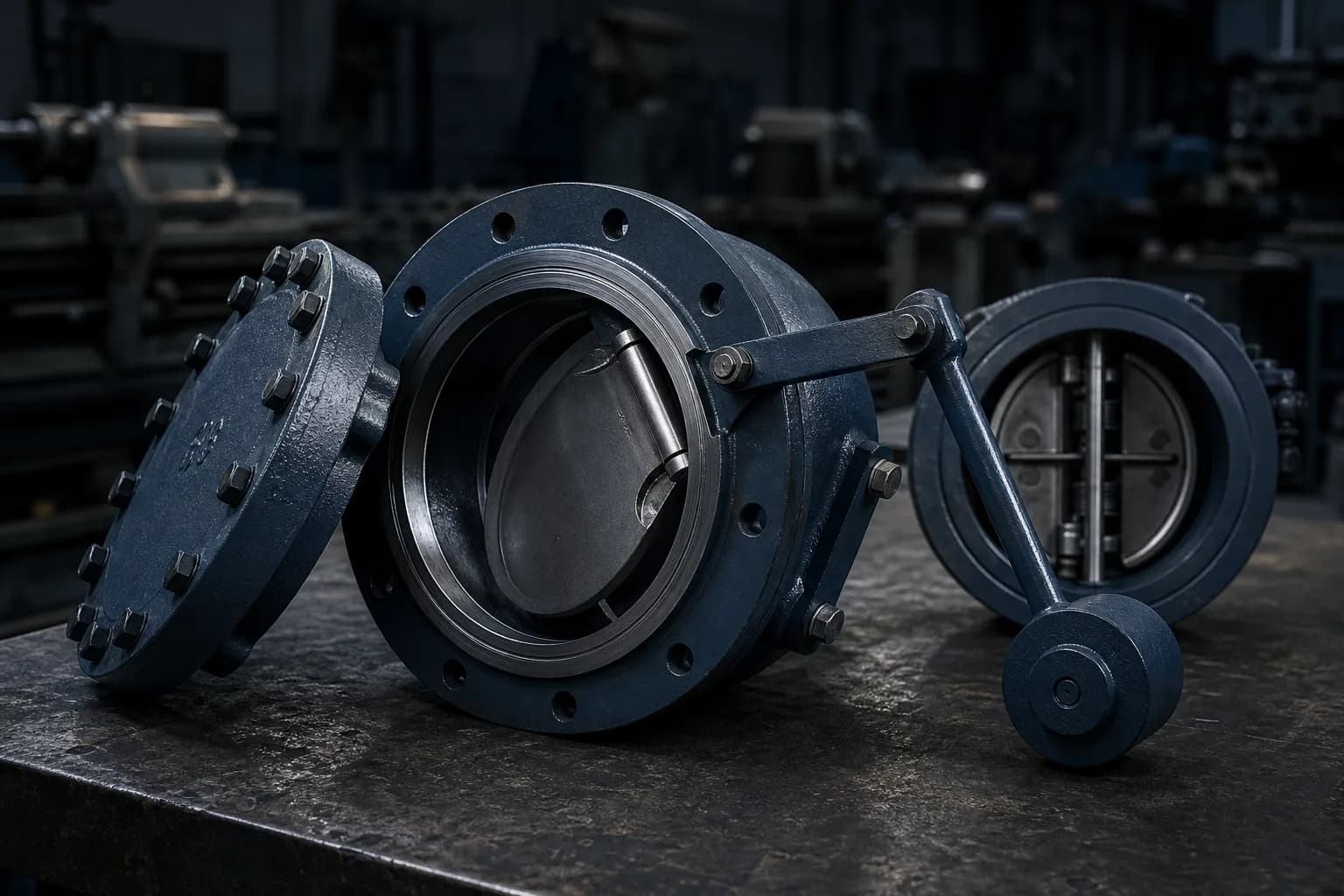
Reflux Valves and Check Valve Slam: Water Hammer on Pumping Mains
Reflux valve selection for pumping mains: why swing checks slam on pump trip, how reverse velocity sets the surge head, and when a dual plate is the fix.
Read guide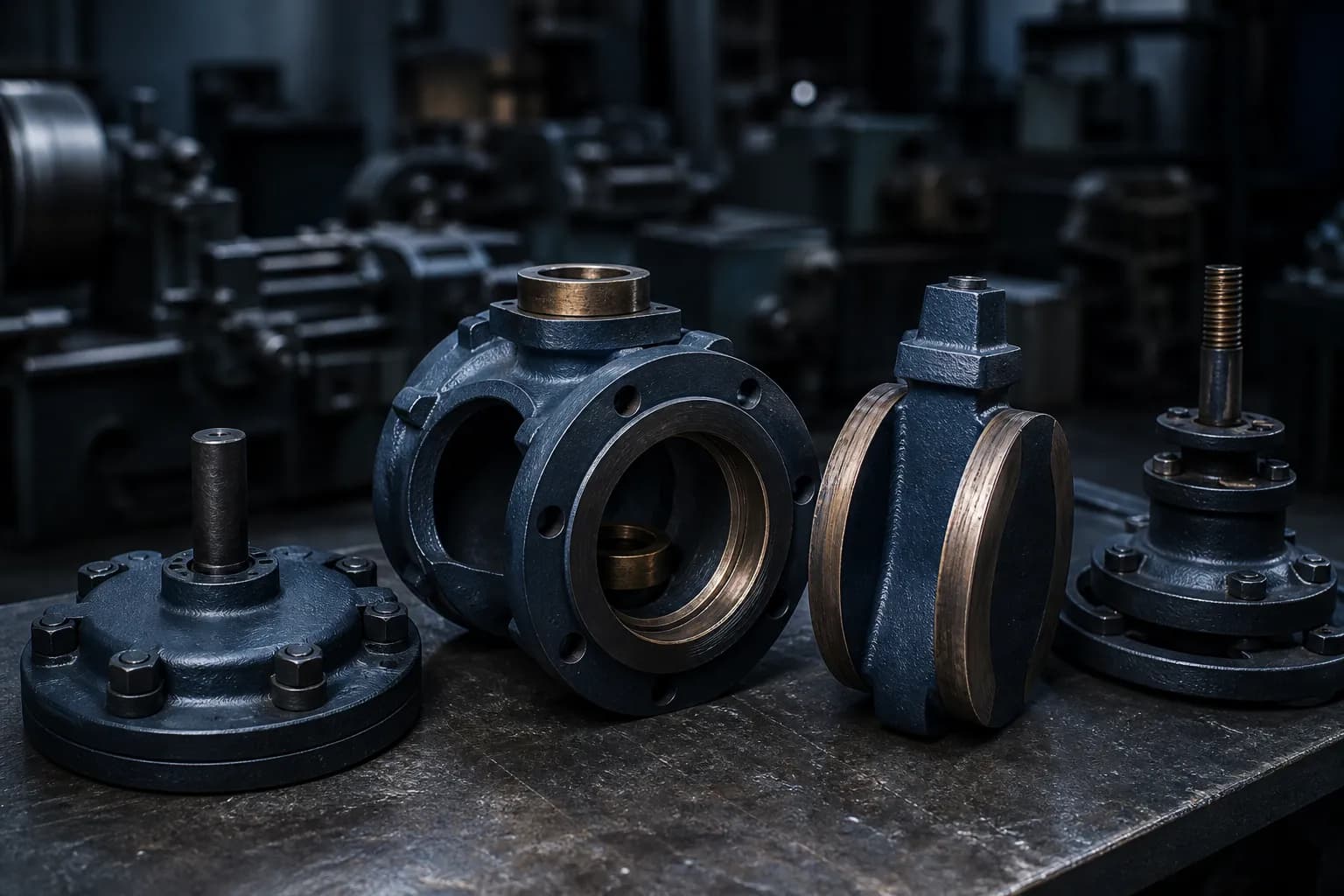
IS 14846 Sluice Valves: Design, Testing, BIS Licence and Marking
IS 14846 sluice valves decoded: PN 1.0/1.6/2.5 ratings, FG 200 and FG 260 bodies, gunmetal seats, hydro test pressures and how to verify a BIS licence.
Read guide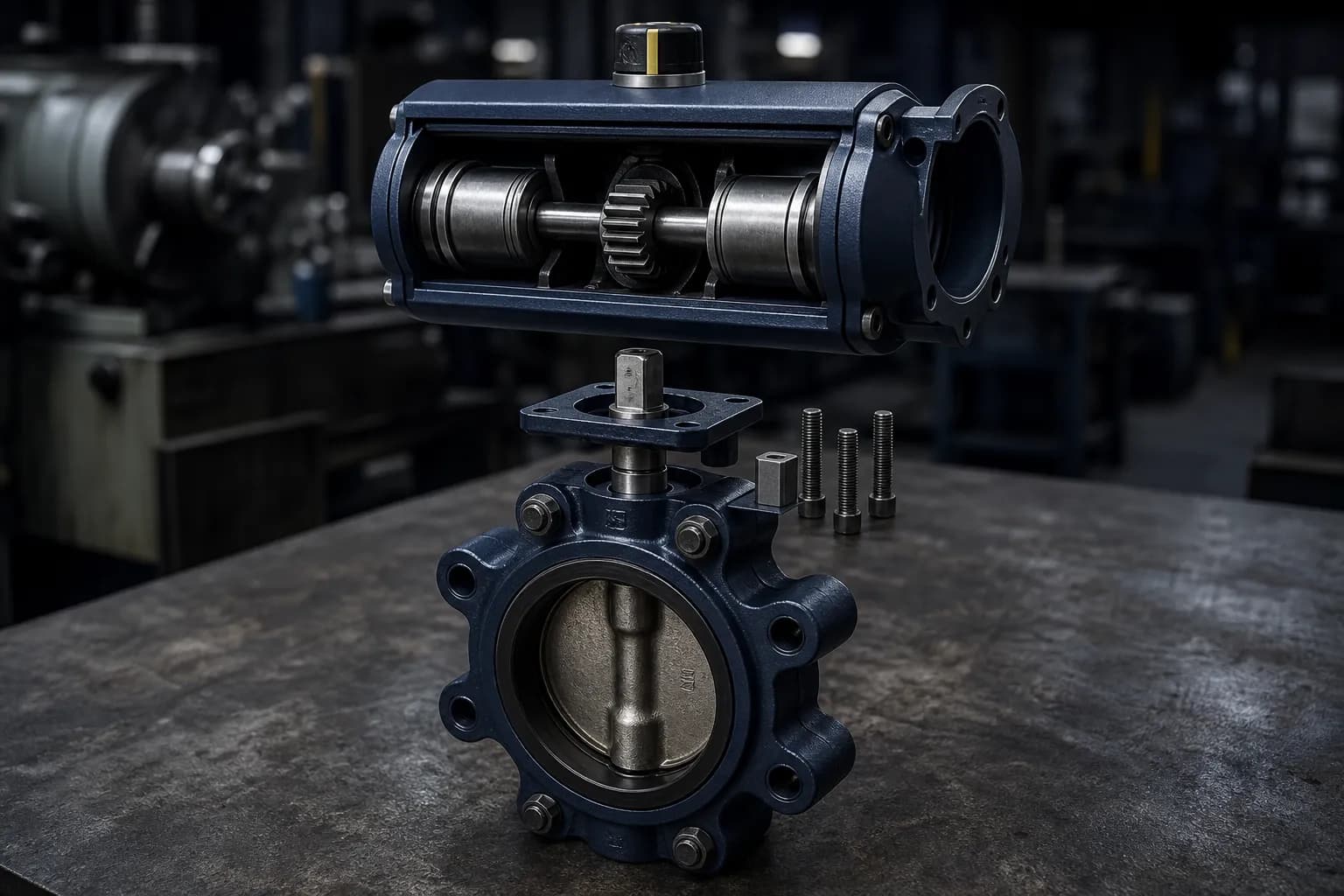
Sizing a Pneumatic Actuator: Valve Torque and Safety Factor
Size a pneumatic actuator from real valve torque: breakaway against seating values, the 25-40% safety factor, minimum air pressure and the spring-end check.
Read guide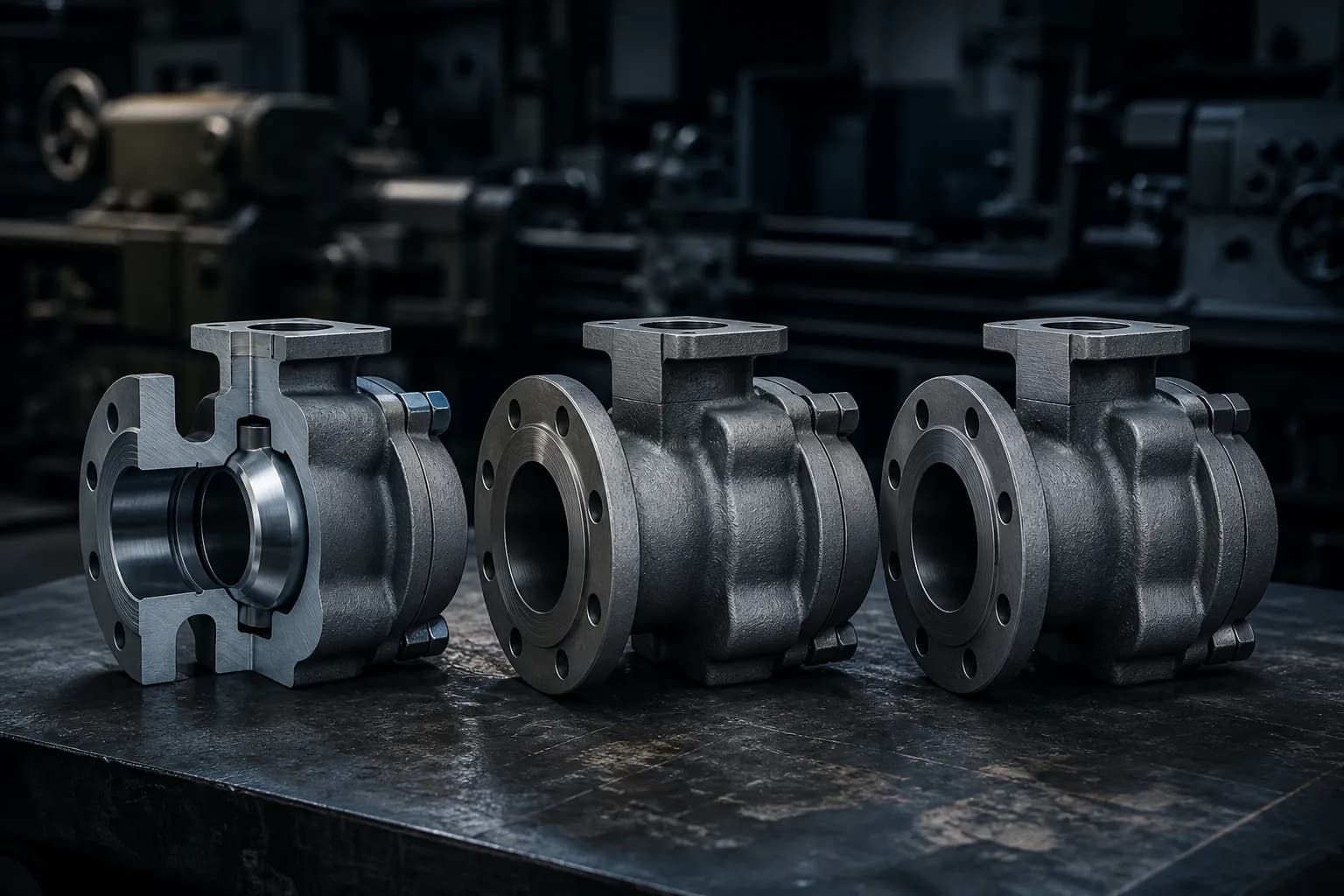
CF8M Material vs CF8 and CF3M in Stainless Valve Castings
CF8M material against CF8 and CF3M: A351 chemistry limits, why cast is not wrought 316, sensitisation and carbon, ferrite, and what to write on the PO.
Read guide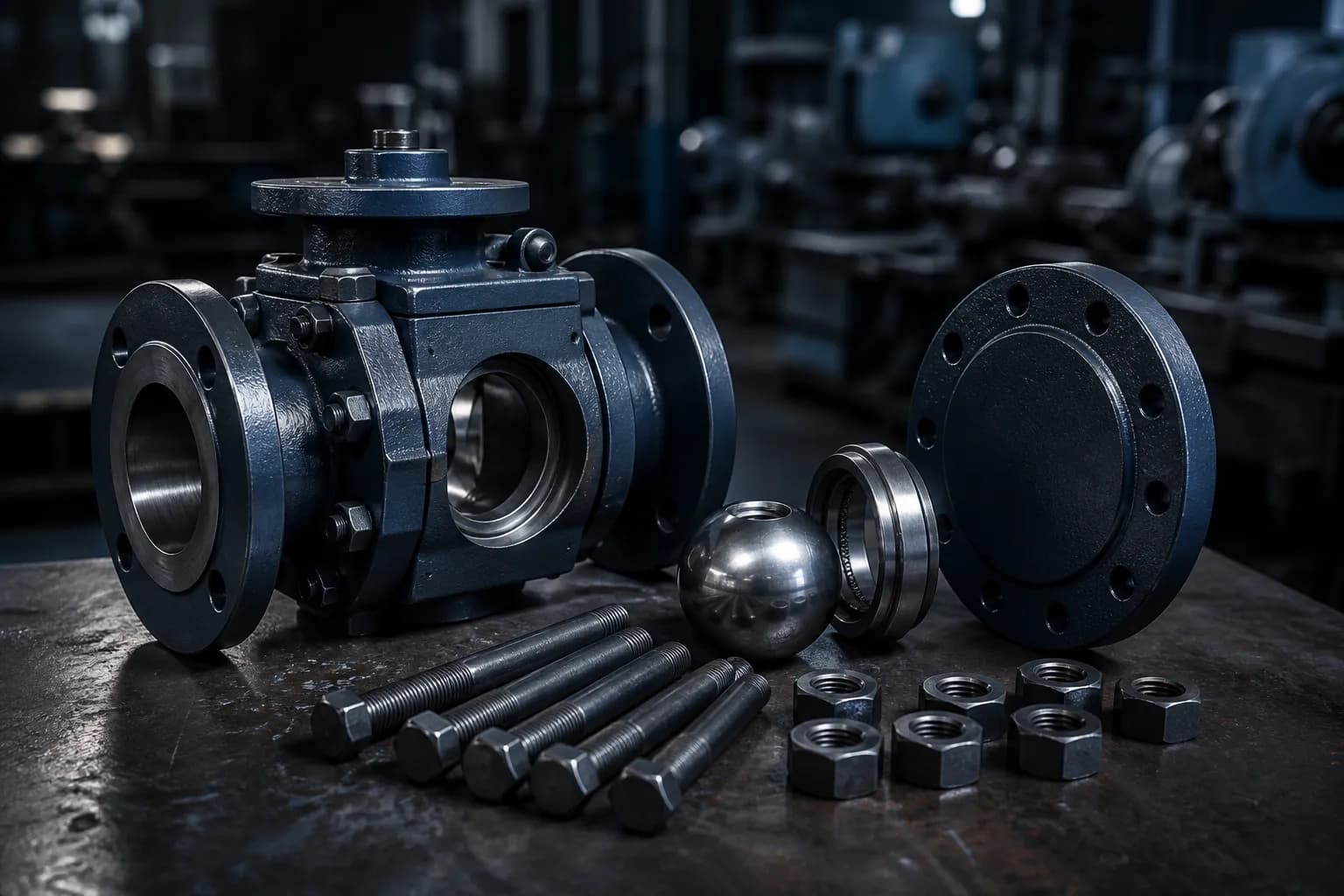
Duplex and Super Duplex Stainless Steel Valves: F51, F53, F55
Duplex stainless steel valve grades decoded: F51, F53 and F55, PREN arithmetic, ferrite balance, the 250 °C ceiling, and when 316 is still enough.
Read guide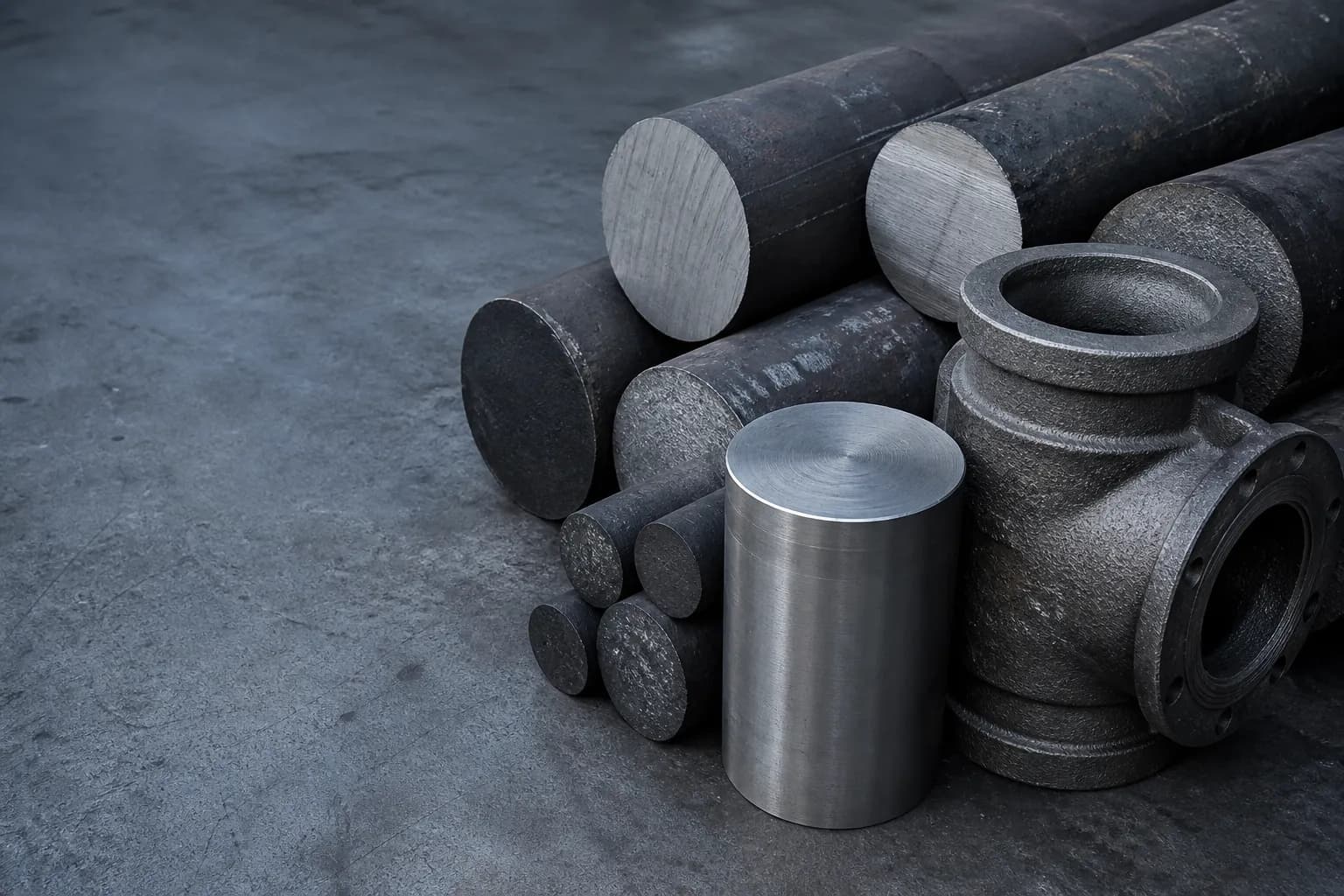
Gunmetal, Bronze and Brass Valves: IS 318, IS 778 and IS 780
Gunmetal gate valves to IS 778: what LTB2 to IS 318 really is, Class 1 vs Class 2, why brass dezincifies, and where IS 780 cast iron takes over.
Read guide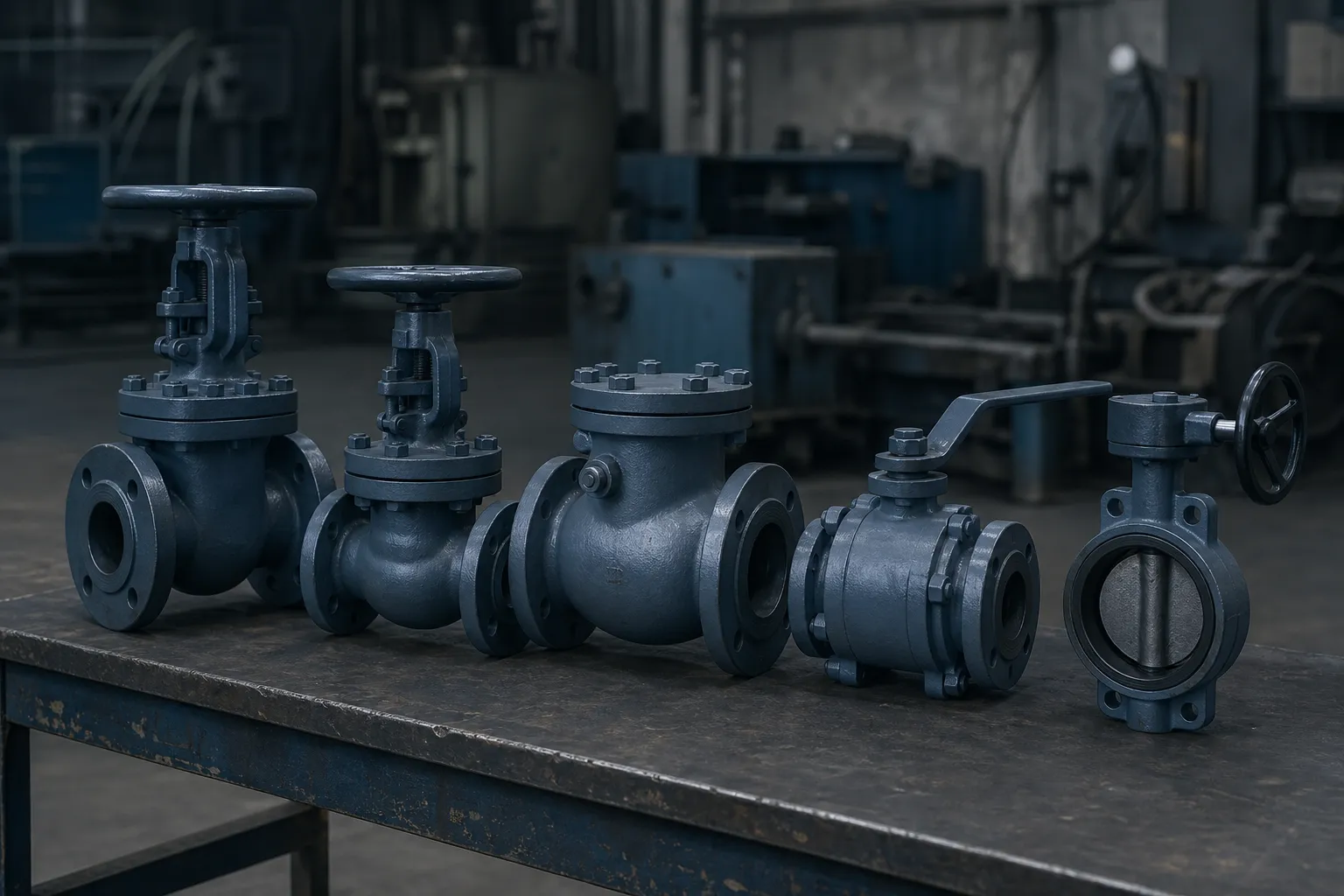
Spiral Wound Gasket Selection: Winding, Filler and Rings
Spiral wound gasket selection: 304 vs 316L vs Monel windings, graphite vs PTFE vs mica fillers, when an inner ring is mandatory, and B16.20 ring styles.
Read guide
Authorised Dealer Certificate and MAF Format for Valve Tenders
Authorised dealer certificate and MAF for valve tenders: clauses a valid format must carry, validity and naming rules, and how PSU buyers verify a dealer.
Read guide
Boiler Feed Check and Blowdown Valves: IBR Duty and Materials
Boiler feed check valve, blowdown and main steam stop duty: screw-down non-return action, two-valve blowdown, WCB to WC6 bodies and IBR Form III-C.
Read guideCryogenic Valve Specification for LNG and Industrial Gas Lines
Cryogenic valve specification for LNG and industrial gas: extended bonnet length, austenitic and LTCS bodies, PCTFE seats, cavity relief, BS 6364 testing.
Read guideLPG Valve Selection: Seats, OISD Rules and Fire-Safe Testing
LPG valve specification for bottling plants and mounded bullets: Class 300, cavity relief, fire-safe seats, anti-static proof and excess-flow sizing.
Read guideESD Valves and Partial Stroke Testing: A Specification Guide
ESD valve specification end to end: fail-safe actuator choice, SIL and PFDavg arithmetic, API 6D and API 607 build, and what partial stroke testing buys.
Read guide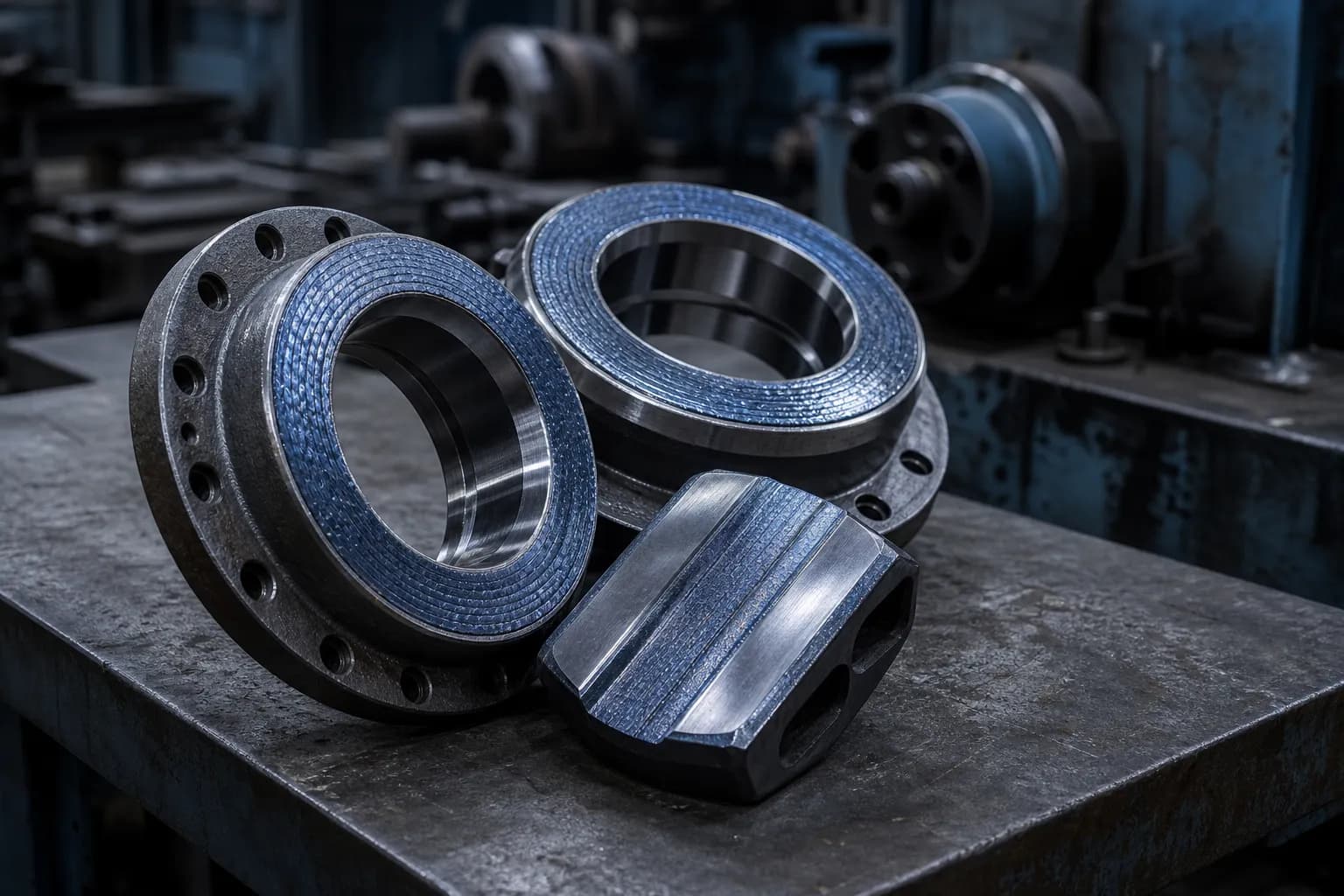
Stellite 6 Composition, Hardness and Valve Seat Hardfacing
Stellite 6 composition and hardness, what weld dilution takes away, PTA vs TIG overlay, Stellite 6 vs 21, and the valve duties where hardfacing pays back.
Read guide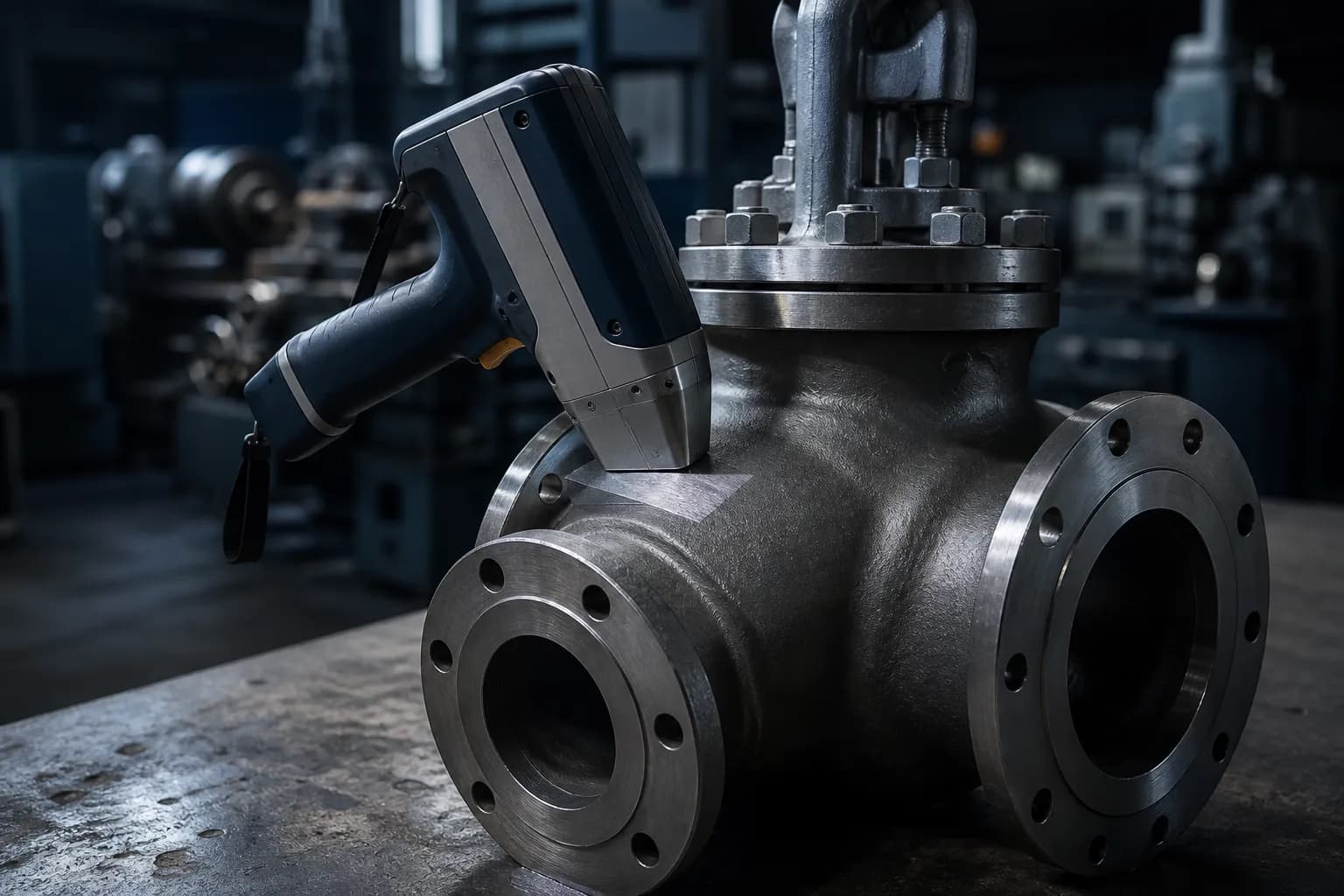
Positive Material Identification for Valves: XRF and Traceability
Positive material identification on valves: what XRF and OES each prove, how heat numbers tie casting to MTC to tag, and what a PMI report must state.
Read guide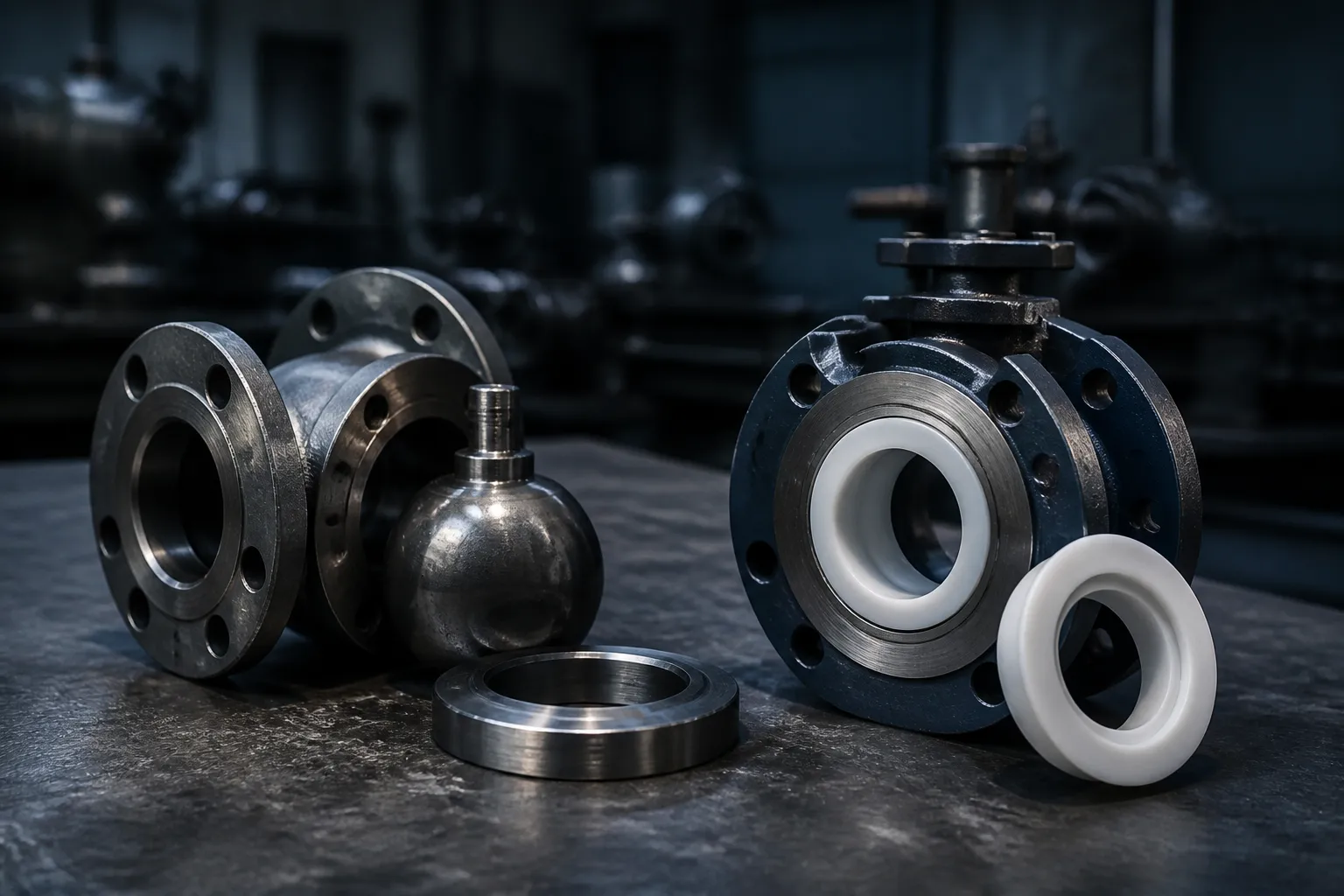
Valve Leakage Classes: ISO 5208 Rates vs FCI 70-2 Class VI
Valve leakage class decoded: ISO 5208 rates versus FCI 70-2 Class II-VI, the Class VI bubble table, API 598 metal-seat allowances and what zero leakage buys.
Read guide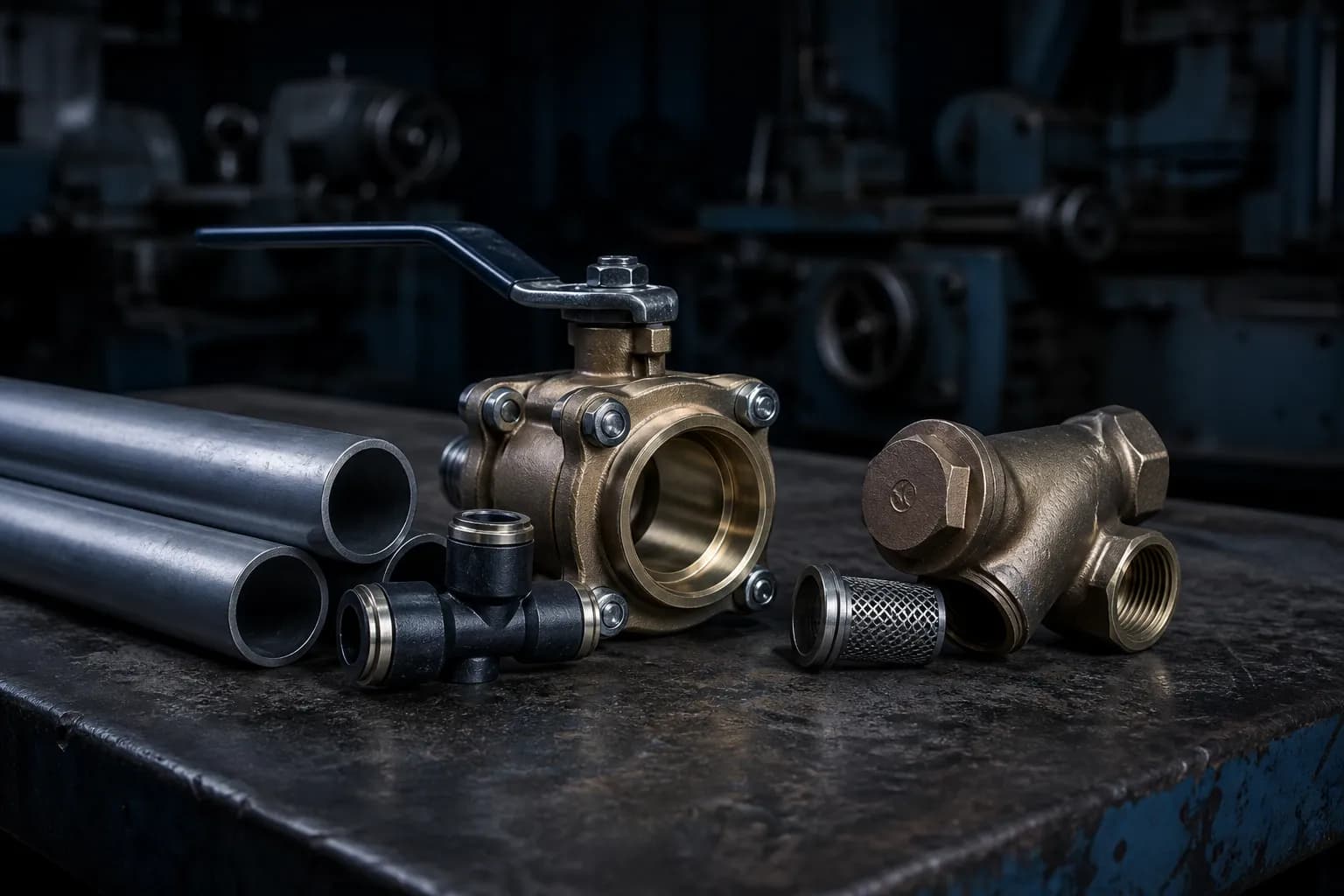
Compressed Air Pipe Sizing, Materials and Isolation Valves
Compressed air pipe sizing by pressure drop and velocity, GI vs seamless vs aluminium, drain-leg layout, and the isolation valves an air header needs.
Read guide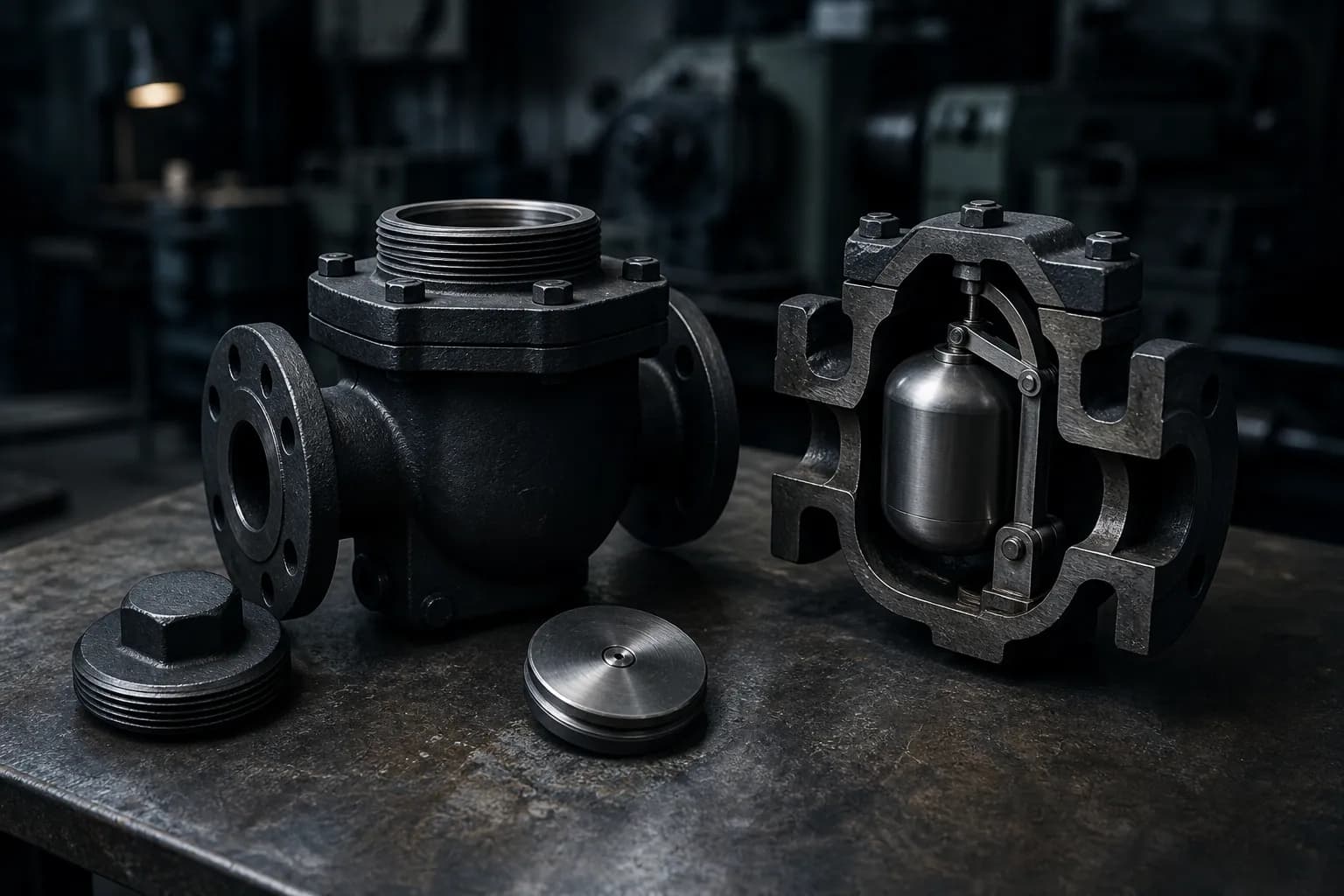
Types of Steam Trap and Failure Modes: Blow-Through, Waterlogging
Types of steam trap compared — thermodynamic, inverted bucket, float, thermostatic — with the failure mode each shows and how to diagnose it on a live line.
Read guide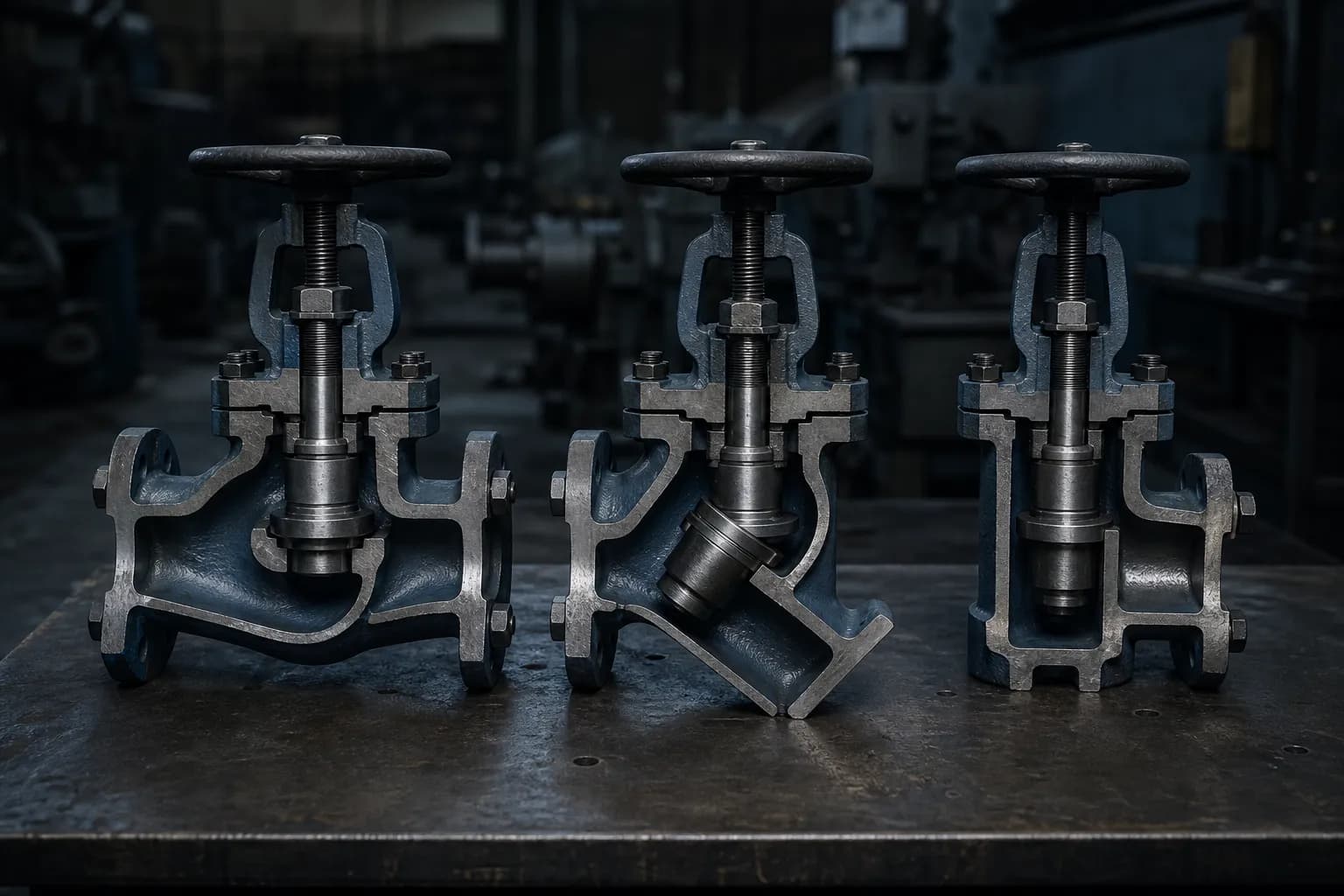
Types of Globe Valve: T-Pattern, Y-Pattern and Angle Bodies
Types of globe valve compared by body pattern: T, Y and angle — resistance and Cv, flow under vs over the seat, disc trim, and which duty takes which.
Read guide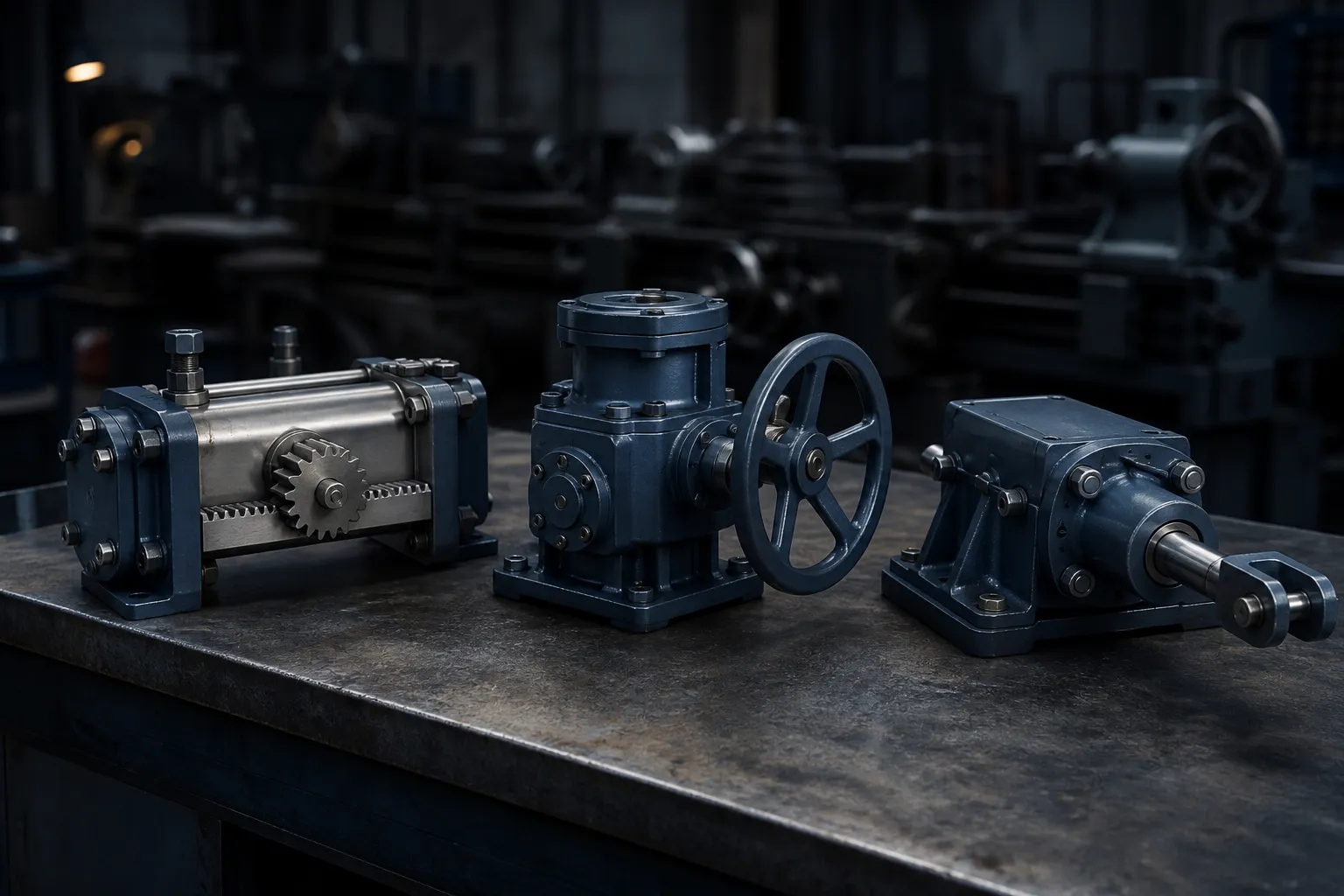
Pneumatic vs Electric vs Hydraulic Valve Actuators Compared
Valve actuator selection compared: torque signatures, spring-return fail-safe, duty classes, ISO 5211 mounting, PESO certification and what to put in the RFQ.
Read guide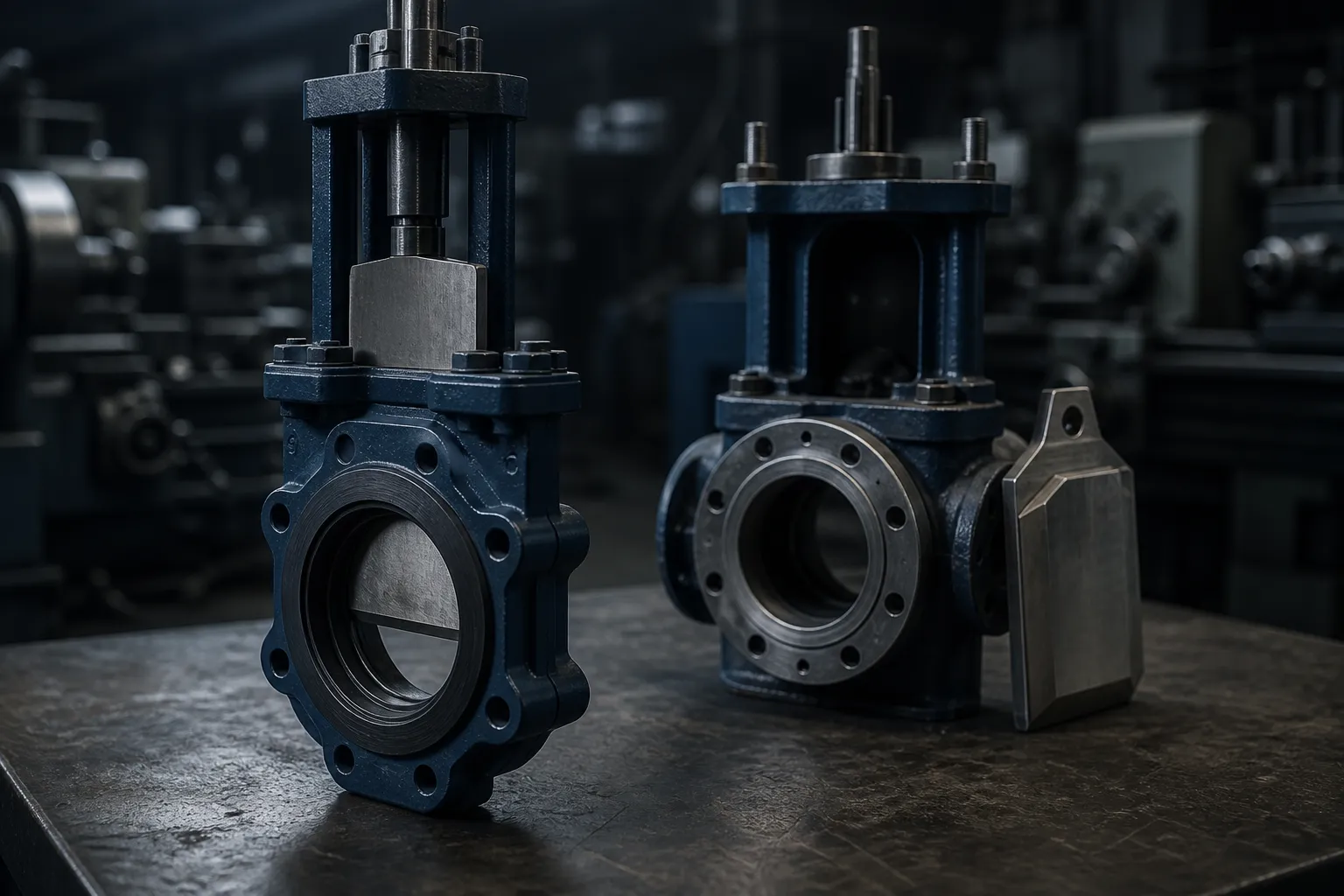
Knife Gate Valve vs Wedge Gate Valve for Slurry and Ash Lines
Knife gate valve vs wedge gate in slurry, pulp and ash: why bonnet cavities pack out, unidirectional vs bidirectional seats, size derating and actuation.
Read guide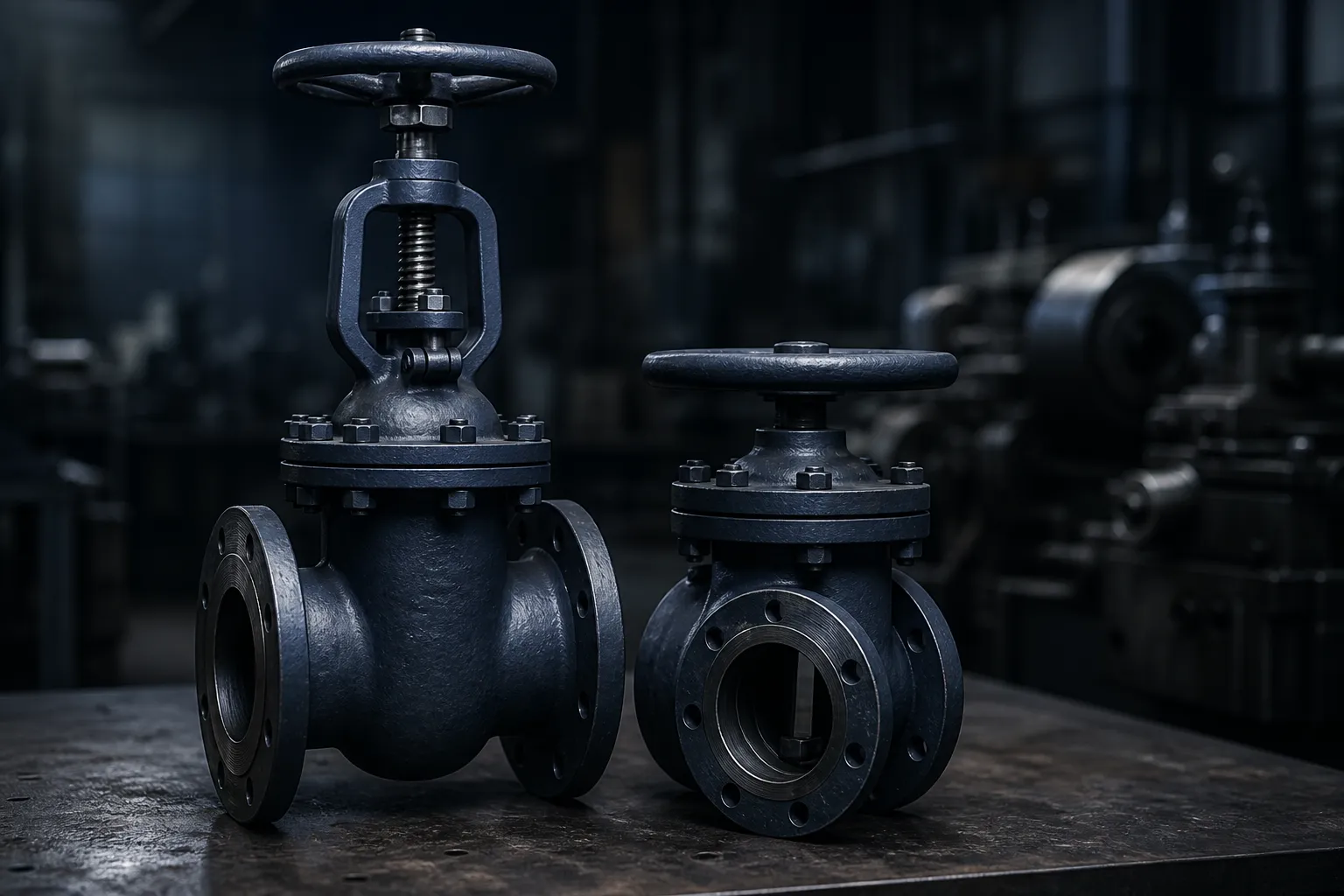
Rising Stem Gate Valves vs Non-Rising Stem: OS&Y and Headroom
Rising stem gate valve vs non-rising stem: where the thread sits, headroom per size, backseat and packing access, buried NRS duty and fire-code indication.
Read guide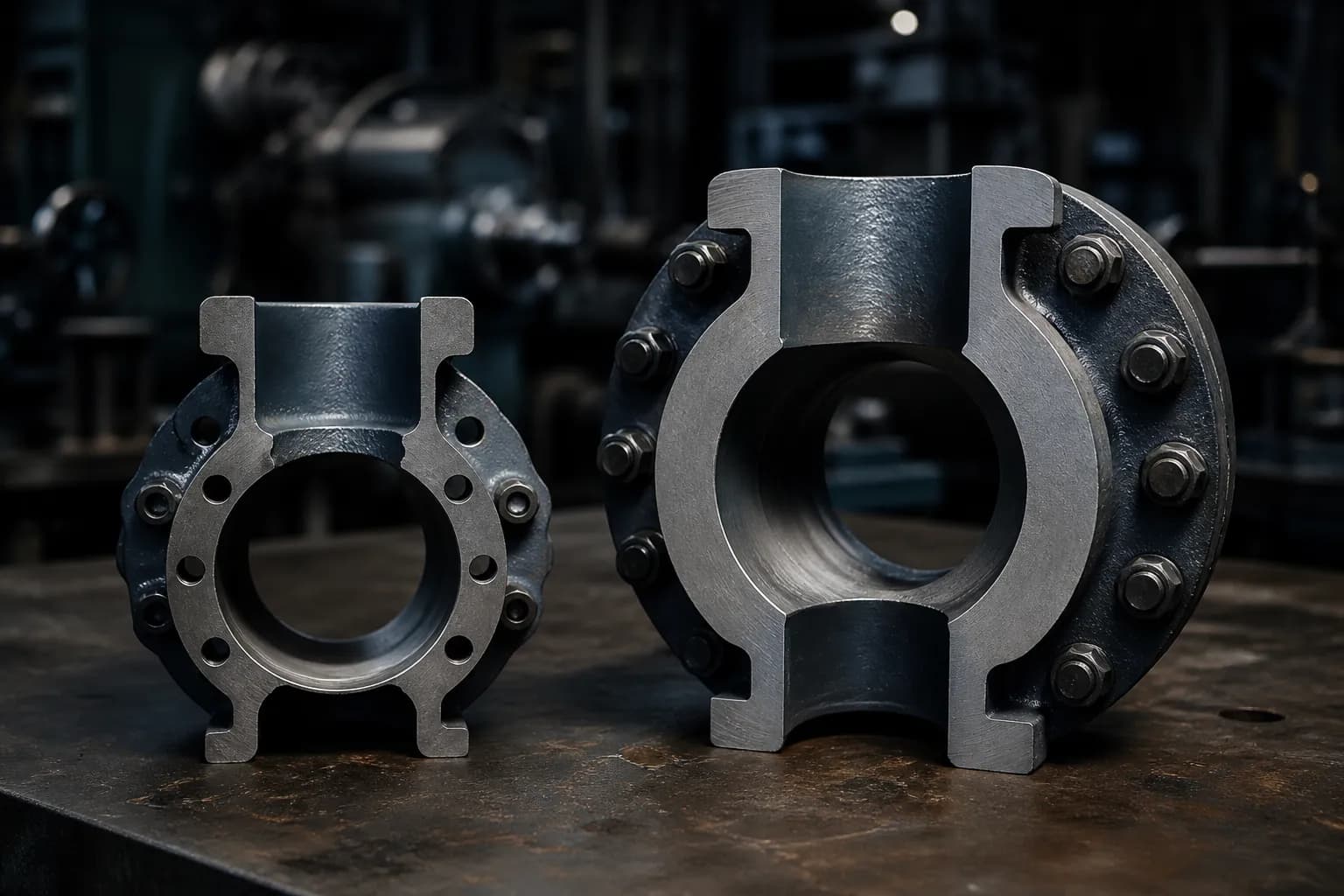
ASME B16.34 Ratings: Standard, Special and Limited Class
ASME B16.34 pressure-temperature ratings in bar for Group 1.1 carbon steel, Standard vs Special vs Limited Class, minimum wall thickness and edition traps.
Read guide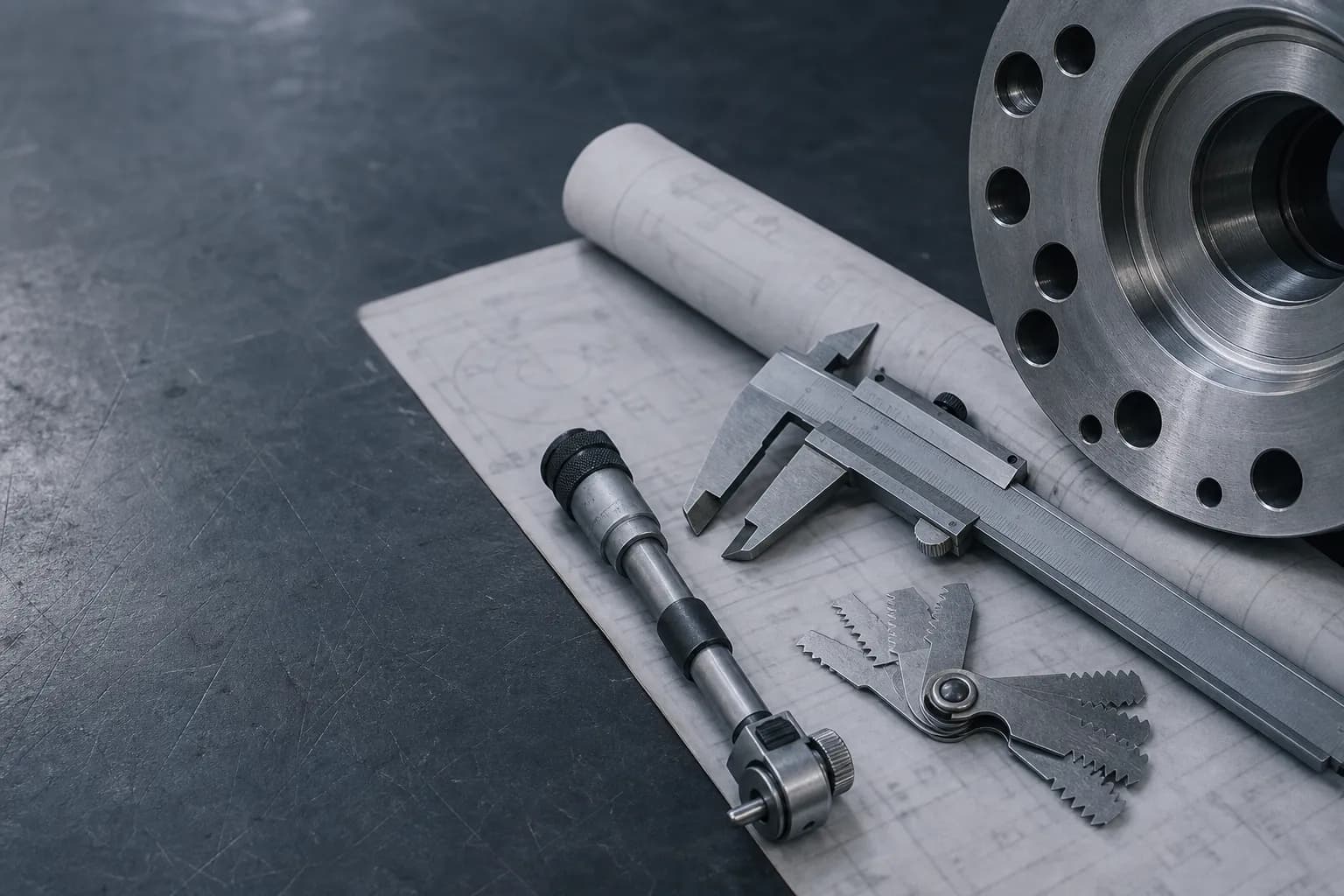
Fugitive Emission Testing: ISO 15848 vs API 622 and API 641
Fugitive emission testing decoded: ISO 15848-1 class strings, ISO 15848-2 production tests, API 622 packing limits and API 641 quarter-turn certificates.
Read guideASTM A193 Gr B7 Stud Bolts and A194 2H Nuts for Flanged Joints
ASTM A193 Gr B7 stud bolts and A194 2H nuts: chemistry, strength by diameter band, when B7M or L7 is mandatory, how coating changes torque, and PO wording.
Read guideAPI 594 Dual Plate and Wafer Check Valves: Type A vs Type B
API 594 Type A short pattern vs Type B long pattern: face-to-face basis, wafer, lug and flanged bodies, spring choice, and why API 6D will not substitute.
Read guideDuctile Iron vs Cast Iron Valve Bodies: IS 210, IS 1865, A536
Ductile iron vs cast iron valve bodies: IS 210 FG 200 against IS 1865 SG 400/15 — grade codes, pressure ratings, flange bolt load and fire duty.
Read guide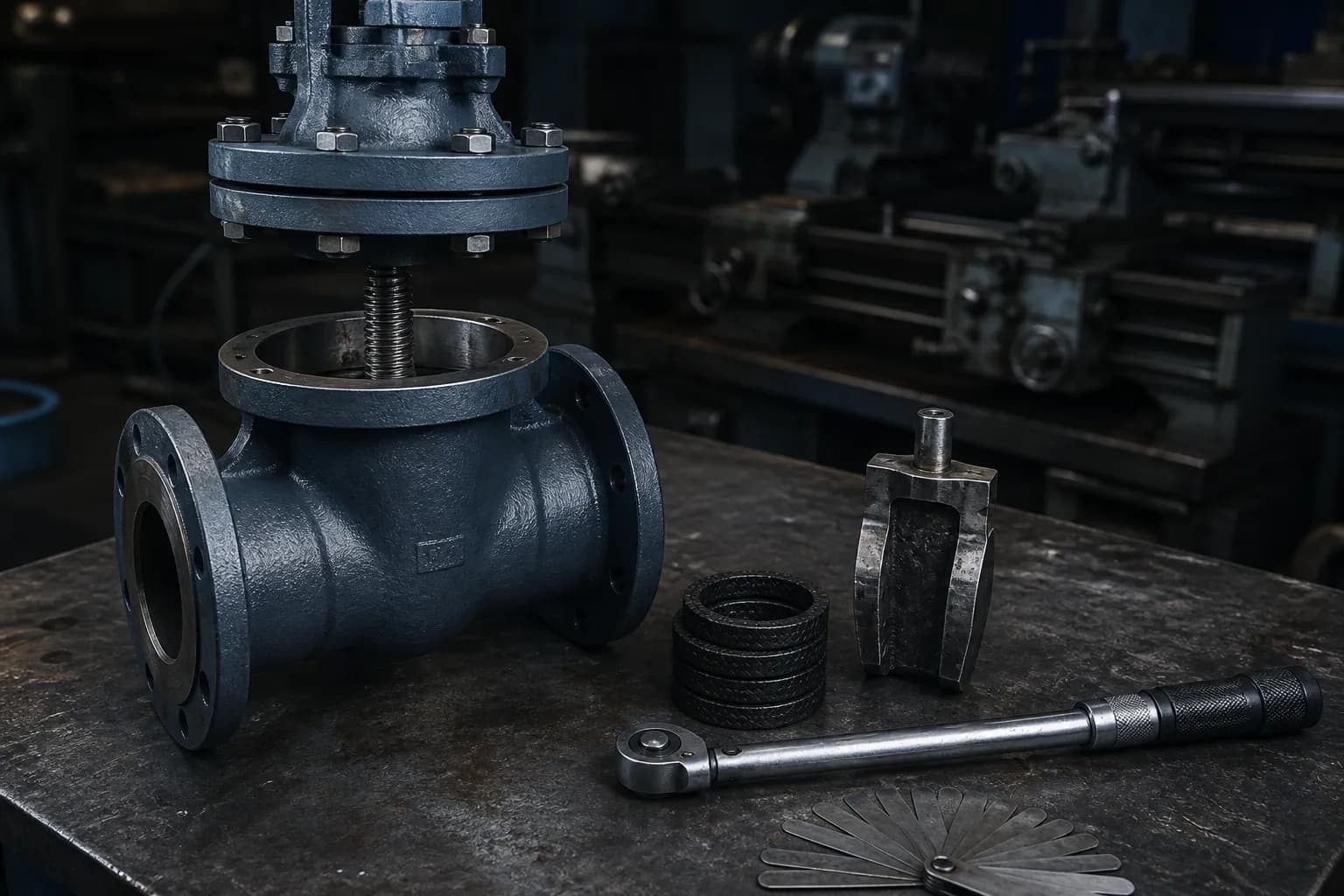
Valve Leakage in Service: Diagnosing Seat and Trim Damage
Valve leakage in service: separate a passing seat from a weeping gland, read wire drawing, cavitation and galling patterns, then decide repair or replace.
Read guideHydrostatic Test Procedure: Flushing, Storage and Valve Damage
Hydrostatic test procedure without wrecking new valves: test pressure limits the seat sets, valve position during flushing, water chemistry and site storage.
Read guide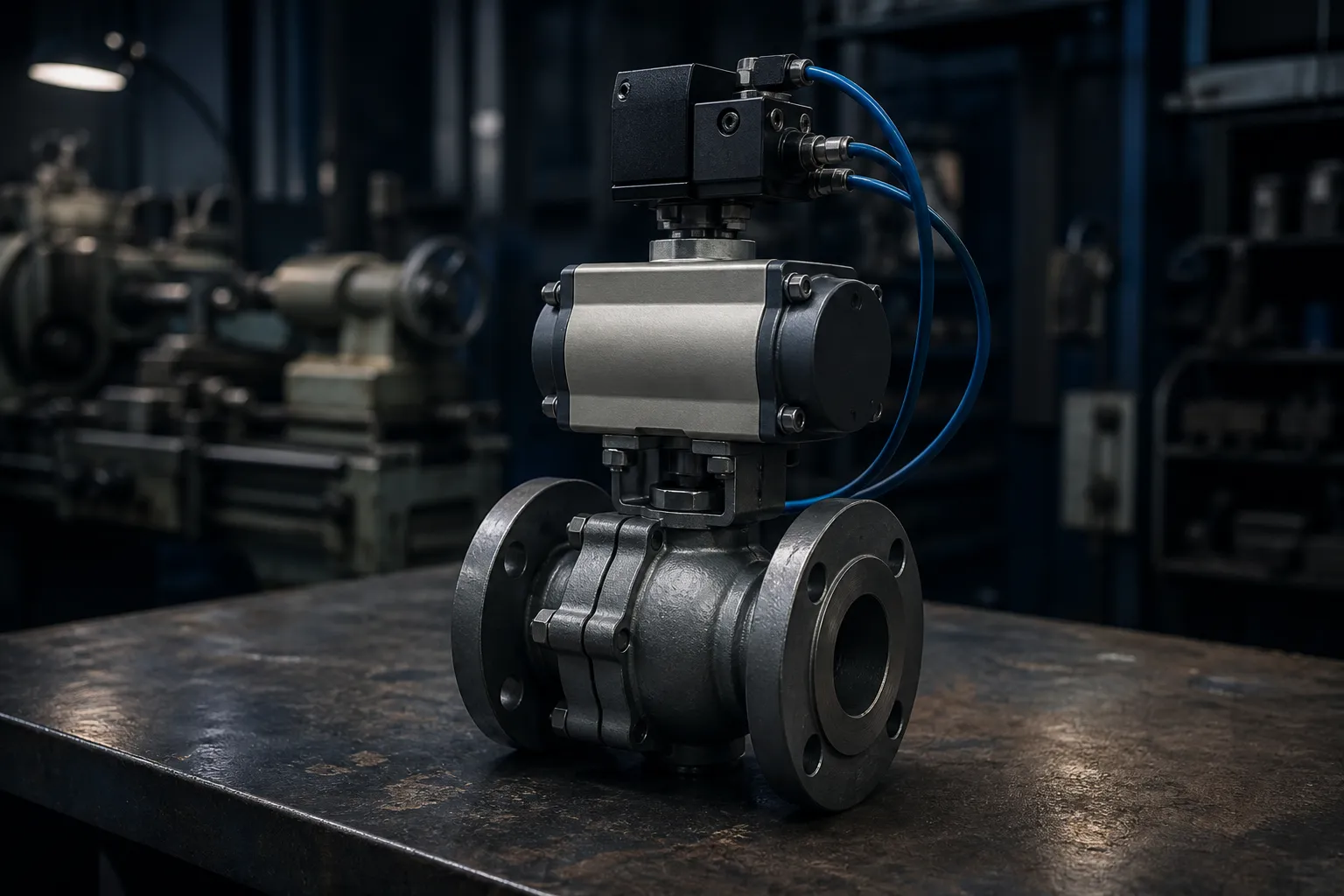
ISO 5211 Mounting Pads: Fitting an Actuator for a Ball Valve
Actuator for a ball valve: ISO 5211 F03-F16 pad dimensions, stem squares, direct mount vs bracket and coupling, torque margin and the NAMUR accessory stack.
Read guideGear Operated Butterfly Valves: Worm vs Bevel and Lever Limits
Gear operated butterfly valve sizing: where a lever stops working, why worm boxes suit quarter-turn and bevel suits gate and globe, rim pull and chainwheels.
Read guideWriting an Inspection and Test Plan for Valve Procurement
Inspection and test plan for valves: hold, witness and review codes, API 598 stage mapping, MTC grades, TPI call-outs and a worked ITP extract you can copy.
Read guidePressure Reducing Valve for Water Line: High-Rise PRV Stations
Pressure reducing valve for water line duty in towers: zoning by static head, sizing on flow not line size, PRV station piping, bypass and fire-riser rules.
Read guide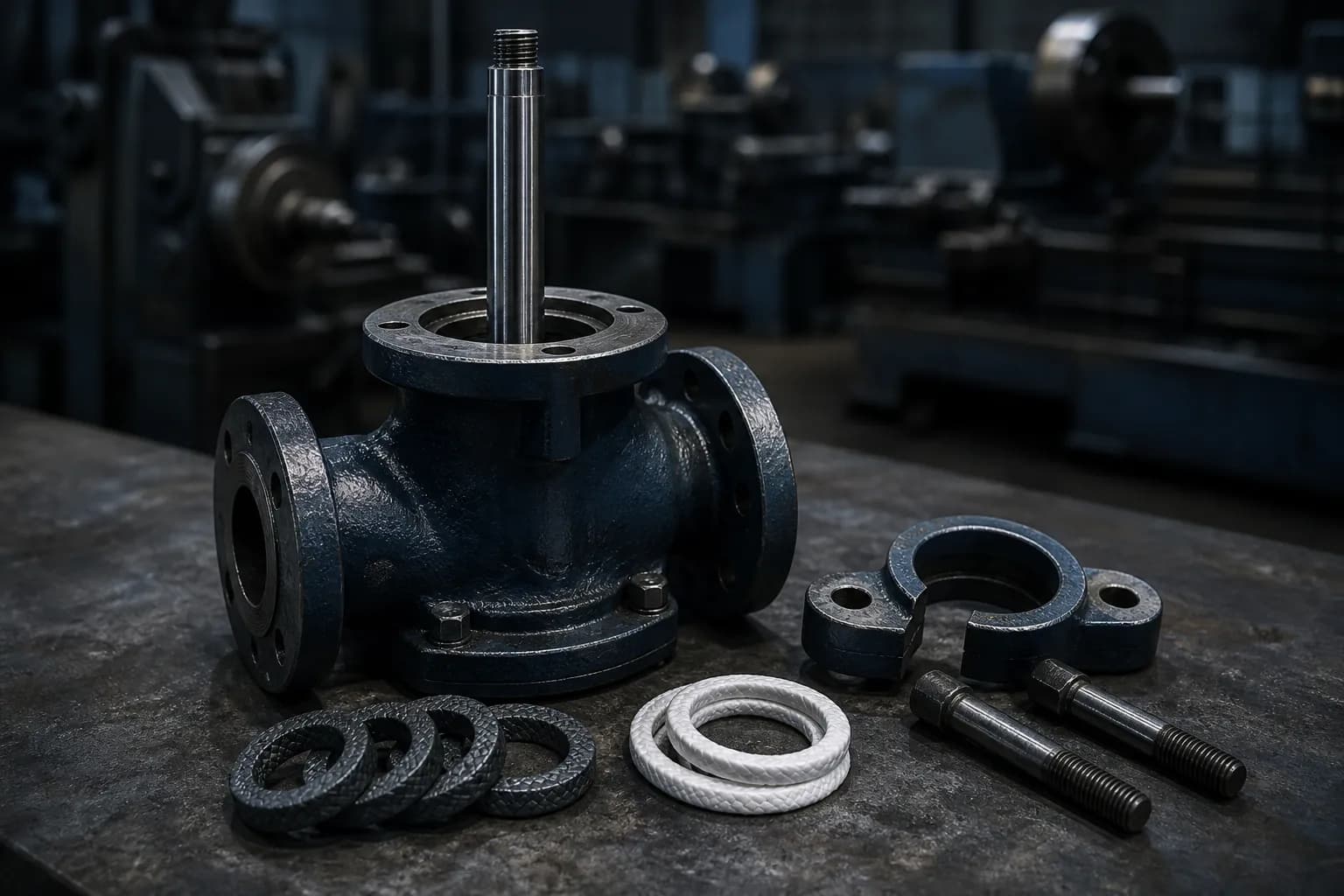
Valve Gland Packing: Graphite and PTFE Sets, Repacking and Torque
Valve gland packing for gate and globe valves: die-formed graphite vs braided PTFE, sizing the set, ring count and cut sequence, gland torque, live loading.
Read guide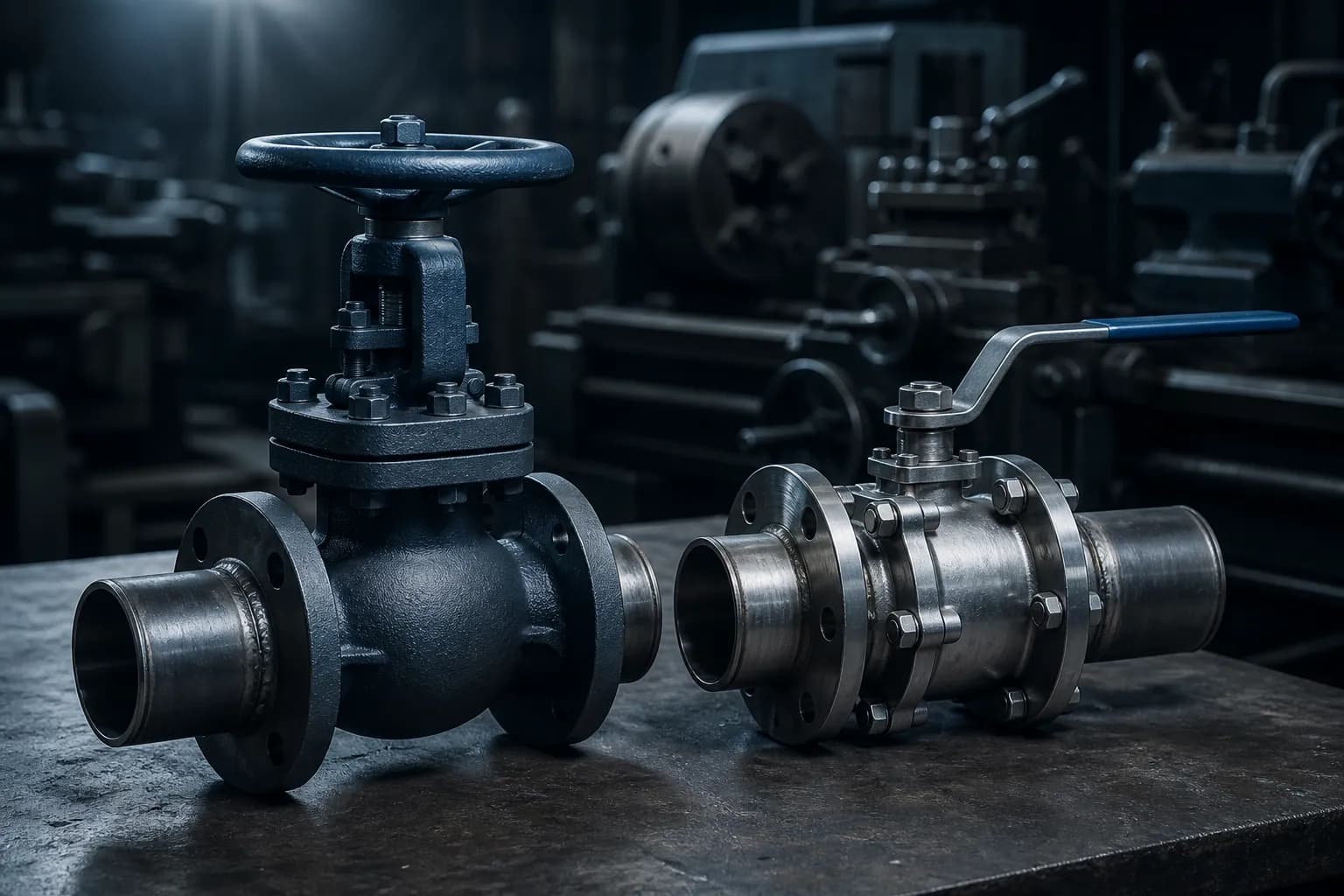
ASME B31.3 vs B31.1: Which Code Governs Your Valve Spec
ASME B31.3 vs B31.1 for valve specification: fluid service categories, design margin, 5% radiography, hydrostatic test rules and the IBR overlay in India.
Read guide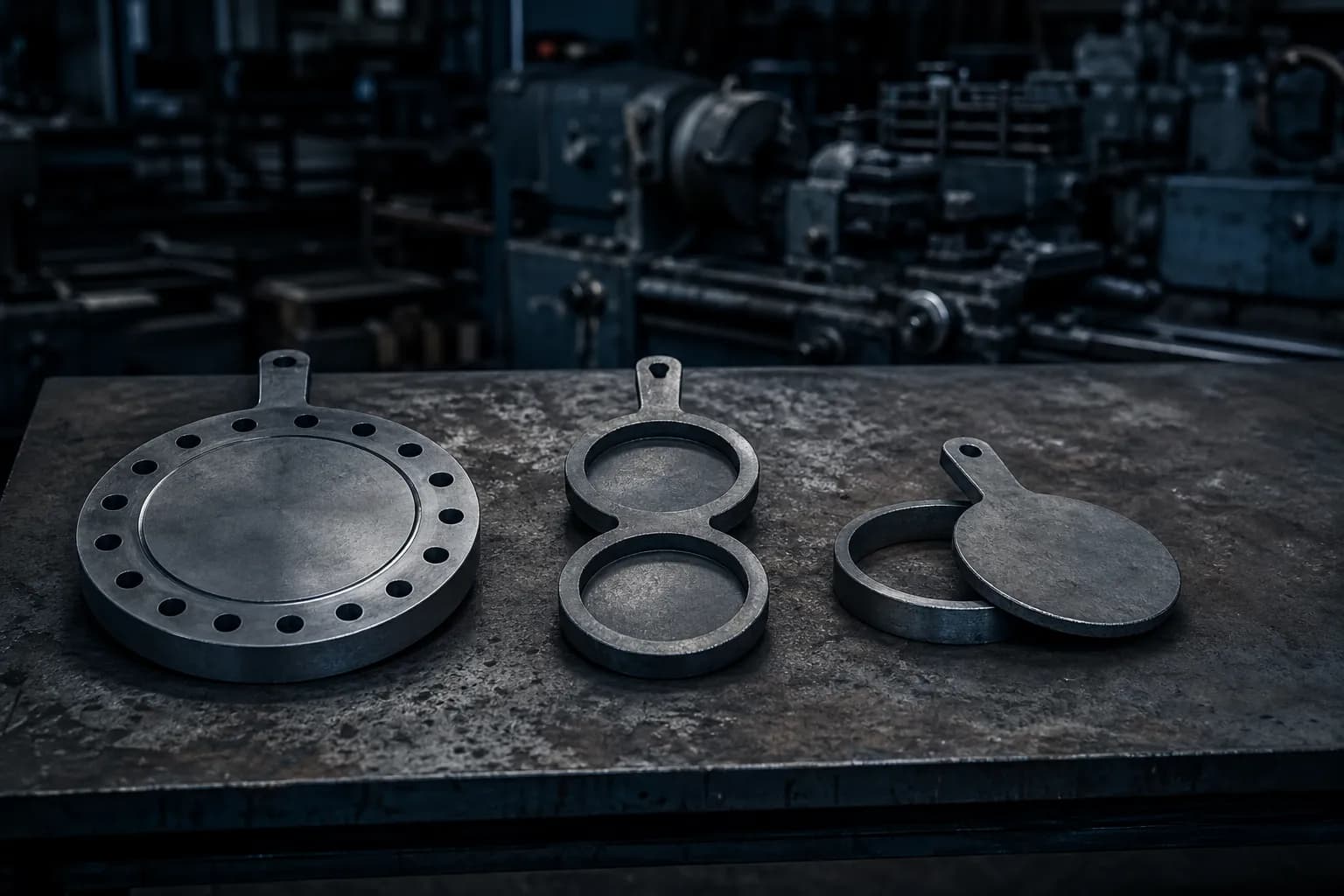
Blind Flange vs Spectacle Blind vs Spade: Positive Isolation
Blind flange, spectacle blind or spade and spacer: which gives positive isolation, ASME B16.48 thickness, bolting and gasket changes, and the blind register.
Read guide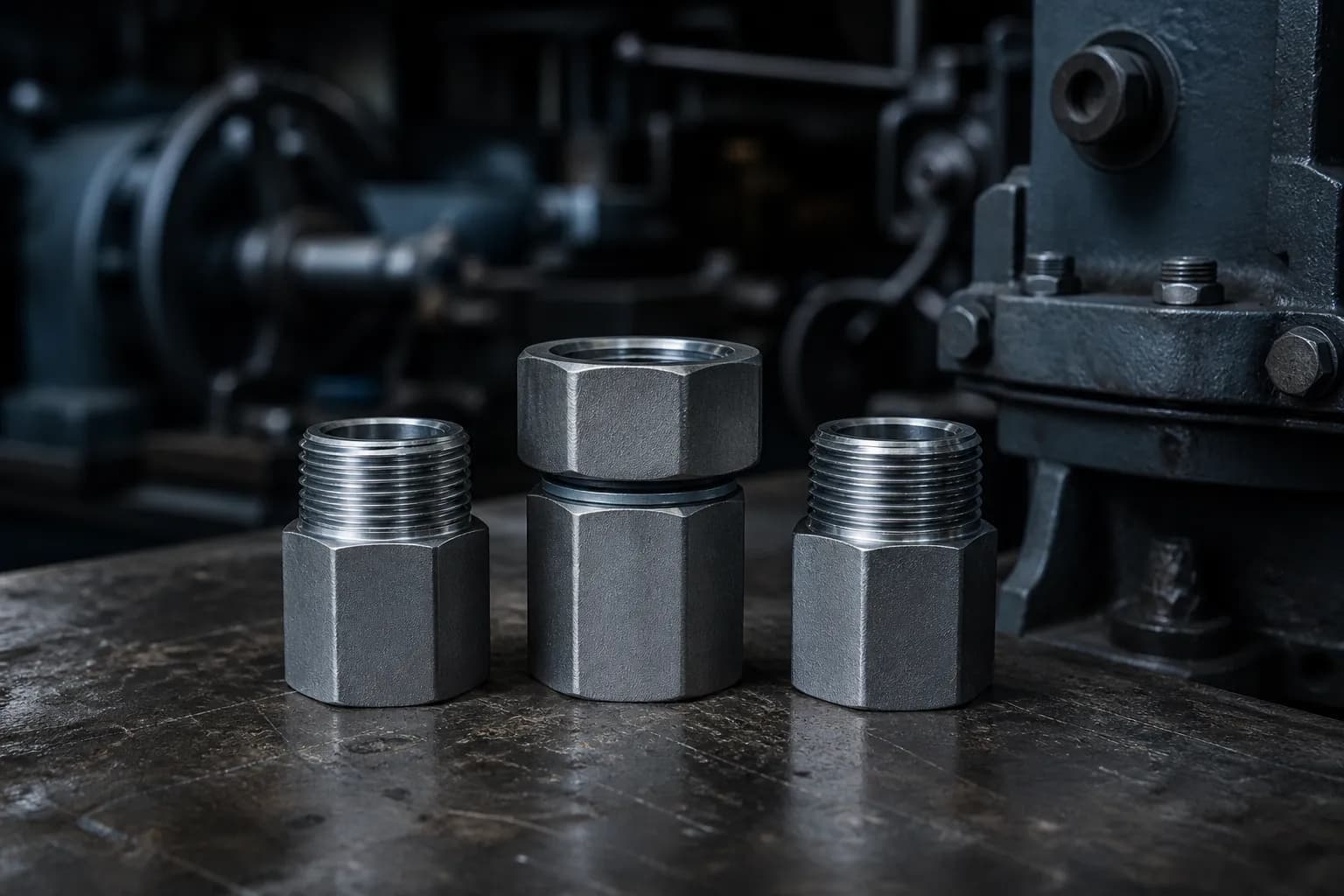
BSPT vs NPT Thread Forms: Taper, Sealing and Interchange
BSPT vs NPT thread compared: 55° against 60° flanks, the 1/2" and 3/4" pitch trap, R/Rc/Rp/G callouts, sealing practice and what never interchanges.
Read guide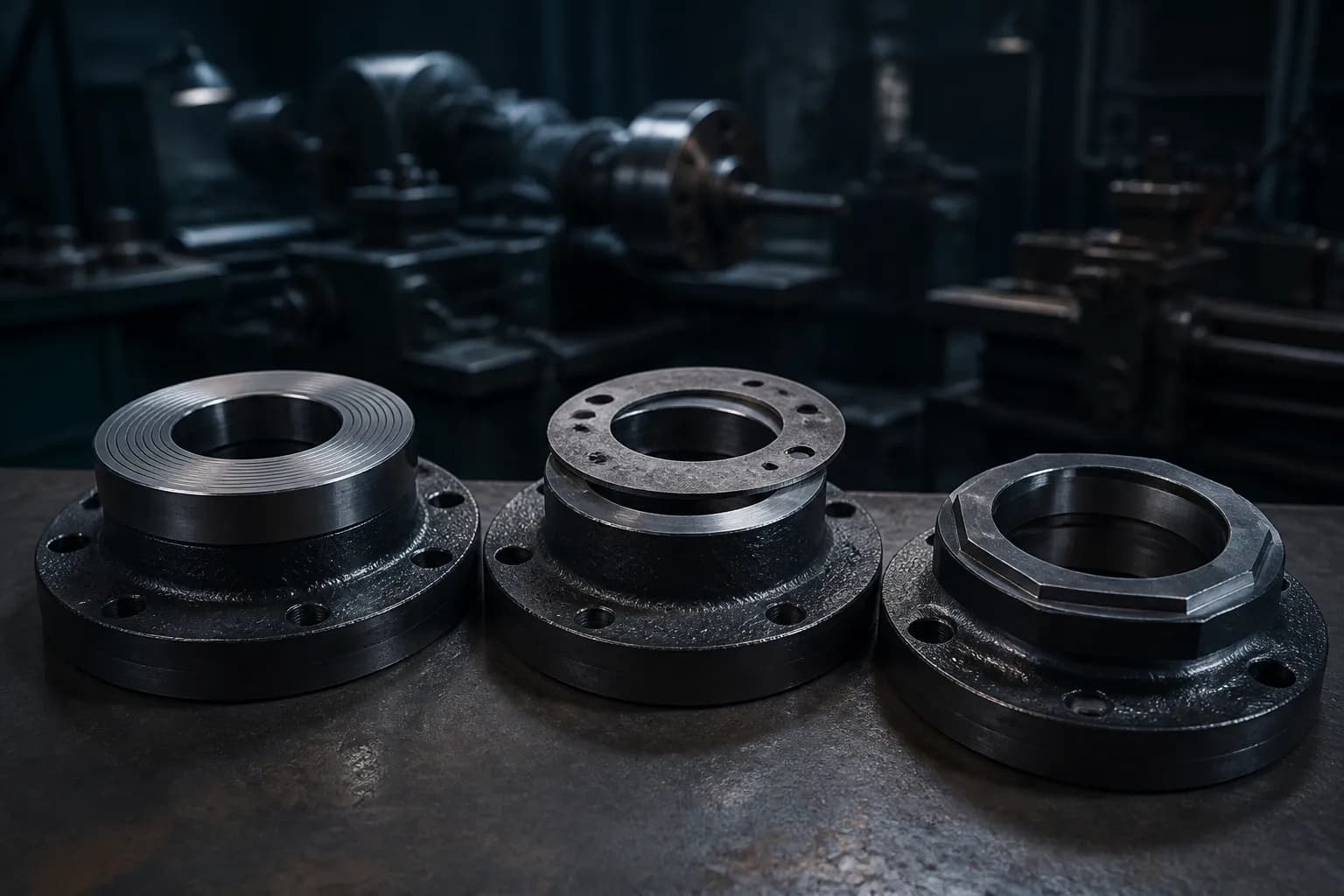
Raised Face Flange vs Flat Face vs RTJ: Facings and Serrations
Raised face flange vs flat face vs RTJ: serration Ra values, gasket seating stress, ring groove styles R, RX and BX, and why cast iron bodies must be FF.
Read guide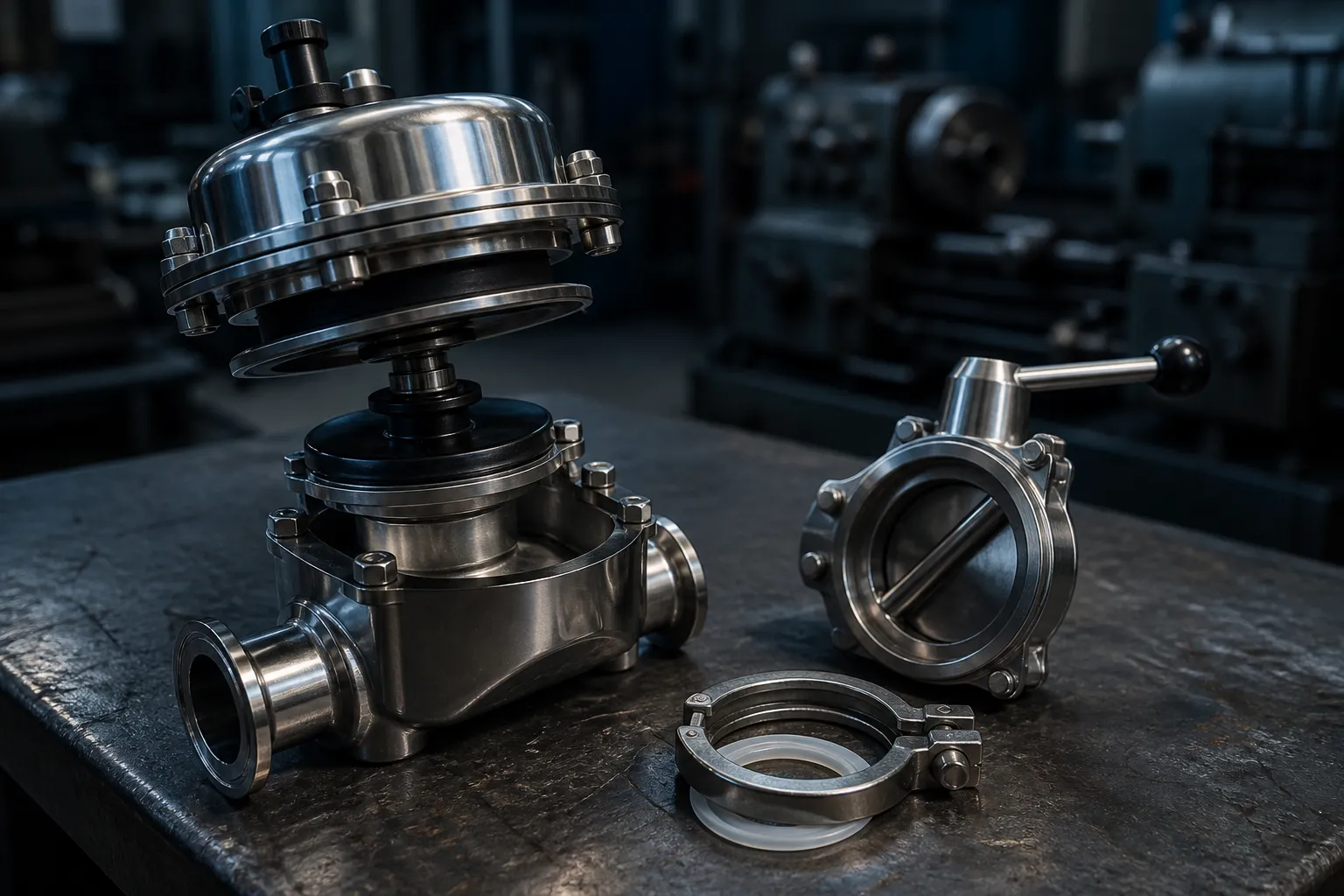
Sanitary Valves for Food, Dairy and Pharma: 3-A and Finish
Sanitary valve selection for food, dairy and pharma: 3-A vs EHEDG, Ra 0.8 µm finish, tri-clamp series, CIP/SIP limits, and when only a diaphragm passes.
Read guide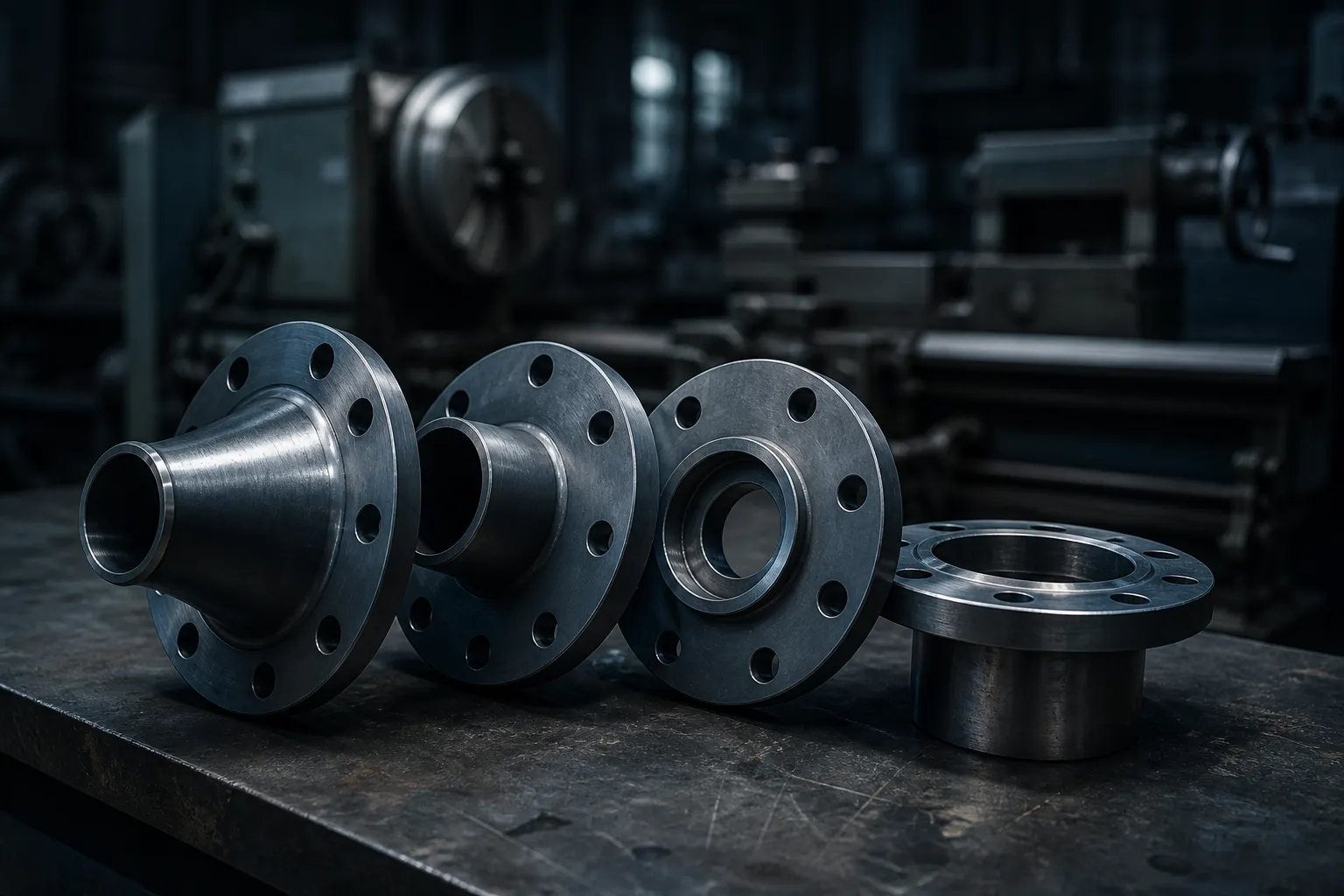
Types of Flange: Weld Neck vs Slip-On vs Socket Weld vs Lap Joint
Types of flange compared for real specs: weld neck, slip-on, socket weld and lap joint — bore, welding, NDE, fatigue and the stub-end material saving.
Read guide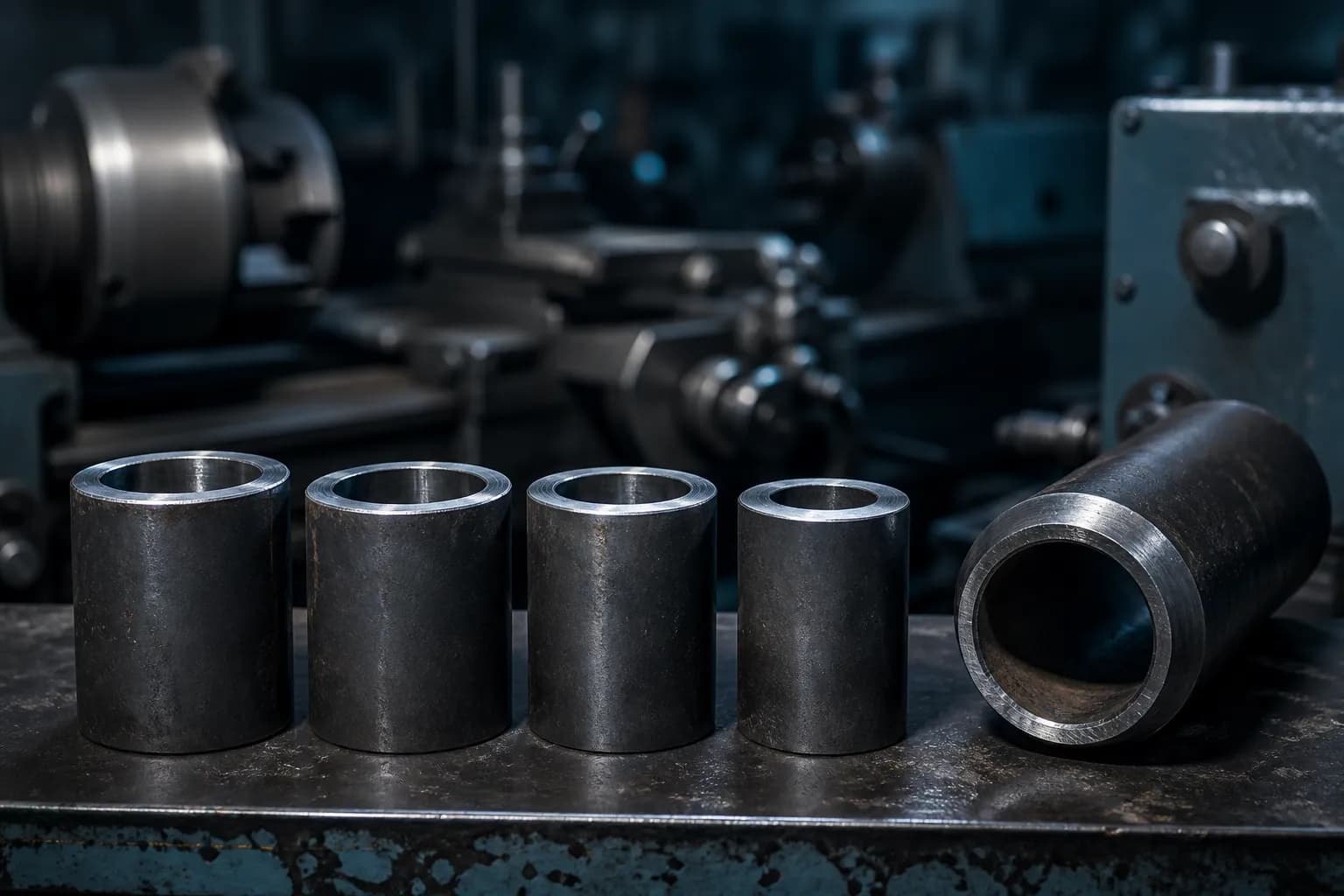
Pipe Schedule Chart: SCH 10, 40, 80 and 160 Wall Thickness
Pipe schedule chart in mm for SCH 10, 40, 80 and 160: how NPS, DN and OD relate, why 40S is not SCH 40, and matching fitting wall at a butt weld.
Read guide
RDSO Approved Vendor List for Railway Valves and Fittings
RDSO approved vendor list explained: Part I vs Part II tiers, STR compliance, capacity assessment, IREPS registration and which railway valves need approval.
Read guide
EIL Vendor Registration for Valve and Fitting Manufacturers
EIL vendor registration for valve makers: item category codes, the enlistment dossier, the shop capability assessment and what keeps you on the AVL.
Read guideA105, A182 F304/F316, A350 LF2: Forged Valve & Fitting Materials Guide
The forged material grades behind small-bore valves and fittings — A105, A350 LF2, A182 stainless and alloy grades — with temperature limits and PO call-outs.
Read guideAPI 598 Valve Testing Explained: Shell, Seat and Backseat Tests
What API 598 actually tests — shell, high-pressure closure, low-pressure air and backseat — with durations, leakage criteria and how to read the report.
Read guideAPI 600 vs API 602: Cast and Forged Gate Valve Standards Compared
Where API 600 cast gate valves end and API 602 forged valves begin — construction, wall thickness philosophy, size ranges, Class 800, and how to specify each.
Read guideASME B16.5 vs B16.47: Valve End Flanges Explained
Flange standards decoded for valve buyers — B16.5 to 24", B16.47 Series A vs B above it, facings, bolting implications and the mismatches that stop erection.
Read guideConcentric vs Double-Offset Butterfly Valves: Which and When
Concentric resilient-seated vs double-offset butterfly valves: sealing geometry, elastomer limits, body patterns, operator choice and duty mapping.
Read guideSwing, Dual Plate or Wafer Disc: Choosing the Right Check Valve
Swing, dual plate (API 594) and wafer disc check valves compared: slam risk, closure speed, face-to-face and weight, orientation and maintenance access.
Read guideValves and Fittings for Hydrant and Sprinkler Systems
A component map for hydrant rings and sprinkler systems — butterfly and gate isolation, dual plate checks, grooved and G.I. fittings, and PN-16 practice.
Read guide
Fire-Safe Valves: API 607 vs API 6FA Certification Explained
How API 607 and API 6FA fire tests differ, what the 30-minute burn actually proves, fire-safe design vs fire-tested, and when to demand type-test certificates.
Read guideFull Bore vs Reduced Bore Ball Valves: Pigging, Pressure Drop and Price
Full bore vs reduced bore ball valves: when pigging makes FB mandatory, what RB saves in weight and price, and how to specify the bore on a datasheet or PO.
Read guide
GeM Vendor Assessment for Manufacturers: Process, Documents, Pitfalls
How valve and fitting manufacturers clear GeM vendor assessment for OEM status — the process stages, the document set, consistency traps and typical timelines.
Read guideGrooved vs Threaded vs Welded Piping Joints: Cost, Speed and Where Each Wins
Joint-by-joint comparison of grooved couplings, threaded fittings and welded piping — speed, hot work, pressure envelopes and where each method wins.
Read guideHow to Read a Valve Datasheet: A Line-by-Line Guide
A working walkthrough of a standard valve datasheet — service, design conditions, materials, trim, ends, testing, certification — and the red flags to catch.
Read guideHow to Write a Valve RFQ That Gets Accurate Quotes the First Time
The minimum data set a valve RFQ needs — design conditions, materials, ends, certifications — and the habits that turn requote cycles into firm first offers.
Read guideIS:1239 Explained: MS Pipes and Fittings for Utility Piping
IS:1239 Light, Medium and Heavy MS pipes and Part-2 fittings — colour codes, IS:554 threading, G.I. variants, and when to move to ASME-system piping instead.
Read guideMTC 3.1 vs 3.2 — Which Material Test Certificate Do You Need?
EN 10204 certificate types explained: 2.1, 2.2, 3.1 and 3.2 — who validates each, what a valid 3.1 must contain, and when a project genuinely needs 3.2.
Read guideNACE MR0175 / ISO 15156: Valve Requirements for Sour Service
What NACE MR0175/ISO 15156 controls in sour-service valves — H₂S thresholds, 22 HRC hardness limits, bolting and trim scope, PO wording and documentation.
Read guideSteam Service Valves: Selection, Class Ratings and IBR Compliance
How to pick steam valve class from steam tables, choose gate vs globe, specify hardfaced trim, and stay inside IBR with Form III-C certification.
Read guideTrunnion vs Floating Ball Valves: Construction, Torque and Sealing
Floating vs trunnion-mounted ball valves: how each seals, why torque diverges with size and pressure, crossover zones, DBB, seat injection and cavity relief.
Read guideValve FAT: What to Witness at the Factory Before Dispatch
A practical valve FAT checklist — document review, dimensional checks, witnessing API 598 tests, MSS SP-25 marking, preservation and the release note.
Read guide8 Valve Procurement Mistakes That Cost Projects Time and Money
Eight recurring valve-buying failures — wrong class basis, IBR discovered late, thread and flange mismatches, throttled gate valves — and how to prevent each.
Read guideSoft Seats vs Metal Seats: PTFE, RPTFE, Nylon, PEEK Compared
Ball and butterfly valve seat materials compared — PTFE, RPTFE, Nylon/Devlon, PEEK, elastomers and metal seats — with temperature limits and selection logic.
Read guideValve Trim Materials: 13Cr, SS316, Stellite and API Trim Numbers
What valve trim is, how API trim numbers work — Trim 1, 5, 8, 10, 12 — when hardfacing pays for itself, and how to write trim on a datasheet.
Read guideSpecifying Valves for City Gas Distribution (CGD) Networks
Where API 6D ball valves, forged station valves and brass gas fittings sit in a CGD network — tier-by-tier specs and the documentation operators demand.
Read guideWCB, WC6, WC9, CF8, CF8M: Cast Valve Body Materials Decoded
What A216, A217 and A351 casting grades mean, where WCB stops and WC6/WC9 take over, when CF8M earns its price, and the spec mistakes to avoid.
Read guidePSU Vendor Registration in India: GeM, EIL, RDSO — A Manufacturer's Guide
How valve and fitting manufacturers get empaneled with India's public-sector buyers — portals, assessments, the document checklist and realistic timelines.
Read guideGate vs Globe vs Ball Valves — Which One for Your Application?
The three workhorse valve types compared honestly: flow characteristics, throttling behaviour, operating speed, maintenance and where each one belongs.
Read guide
Valve Class Ratings Explained: 150 to 2500
What ASME class numbers actually mean, why a Class 150 valve is not a 150 psi valve, how temperature derates pressure, and where Class 800 fits in.
Read guideHow to Select an API 6D Ball Valve: Class, Size & Material Guide
A working checklist for specifying pipeline ball valves — trunnion vs floating, bore, pressure class, materials, fire-safety and documentation to demand.
Read guideWhat is IBR Form III-C and When Do You Need It?
The certificate that decides whether your valves can go on boiler-connected steam lines in India — who issues it, when it applies, how to procure against it.
Read guideASME B16.11 vs IS:4712 — Forged Fittings Standards Explained
What each standard covers, how pressure classes map to pipe schedules, and which one to specify on your next forged-fittings purchase order.
Read guideSend your spec. Get a compliant offer.
Valve schedules, BOQs, tender line items — we respond within 4 business hours with availability, documentation coverage and pricing.