Valve procurement failures are rarely exotic. The same eight mistakes cycle through Indian projects year after year — each one well understood, each one preventable with a line on a datasheet or a check at receipt, and each one still costing real schedules real weeks. Here they are, with the failure story and the prevention.
1. Sizing the class from operating, not design, conditions
The failure: a buyer reads 18 bar off the DCS trend, calls it a Class 150 duty, and orders. The line's *design* conditions — the values the piping was engineered to, including upset cases — are 24 bar at 250 °C, where Class 150 WCB carries roughly 12 bar. The valves fail hydro at 1.5× design pressure, or worse, pass unnoticed into service. The prevention: classes come from the line list's design P&T run through the B16.34 tables, the method in our class ratings guide. Operating data is for operators.
2. Ignoring temperature derating
The failure: "Class 300 = 51 bar" gets treated as a constant. At 350 °C it is closer to 35 bar; at 425 °C, 29. Steam and hot-oil services bought on cold ratings run structurally under-classed for years until an excursion finds them. The prevention: always read the rating at design temperature — the tables exist precisely because the cold number is the best the valve will ever do.
3. Discovering IBR scope after the order
The failure: boiler-house valves are ordered commercial; erection starts; the boiler inspector asks for Form III-C; the material is rejected. Certification happens during manufacture with an inspecting authority witnessing — finished stock cannot be retro-certified. The valves are repurchased with certified lead times, on a critical path. The prevention: walk the P&ID against IBR scope before the RFQ goes out, and write "IBR certified with Form III-C" per line item.
4. NPT/BSPT thread mismatch
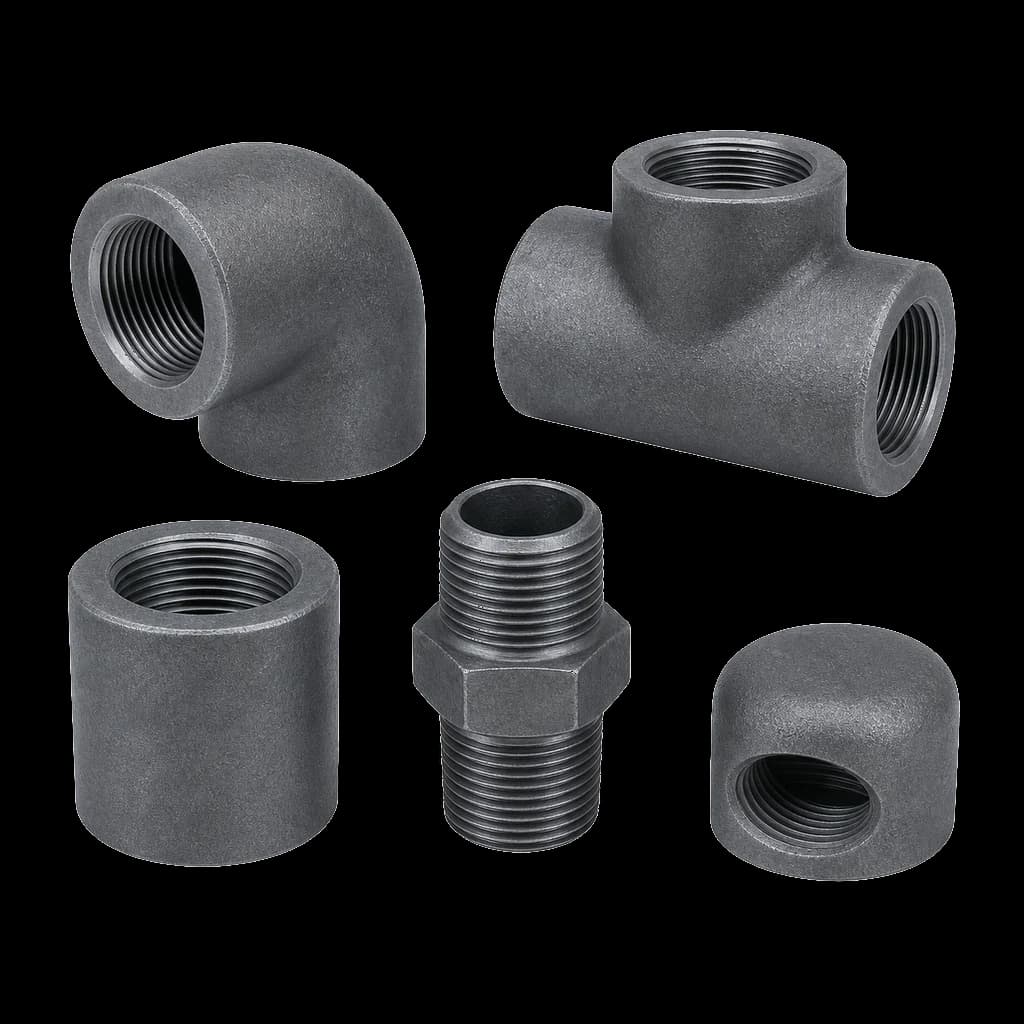
The failure: imported-spec A105 fittings threaded NPT (60°, per ASME B1.20.1) meet Indian pipe nipples threaded BSPT (55°, per IS:554). They engage, they torque up, and they weep on every joint of the compressed-air header. Thread mismatch causes more small-bore leaks on mixed-standard sites than any metallurgical issue. The prevention: state the thread form on every threaded valve and fitting line, and never let "threaded" stand alone on a PO — the topic our B16.11 vs IS:4712 guide covers in depth.
5. Large-bore flange series mismatch
The failure: a 30" Class 150 valve arrives drilled to B16.47 Series B; the pipeline flanges are Series A. Different bolt circles, different bolt counts — the joint cannot be made. A multi-tonne valve sits at site while a replacement is cast, machined and tested. The prevention: above 24", the flange series is a mandatory RFQ field, verified against isometrics, per our flange standards guide.
6. Soft-seated quarter-turn valves on steam
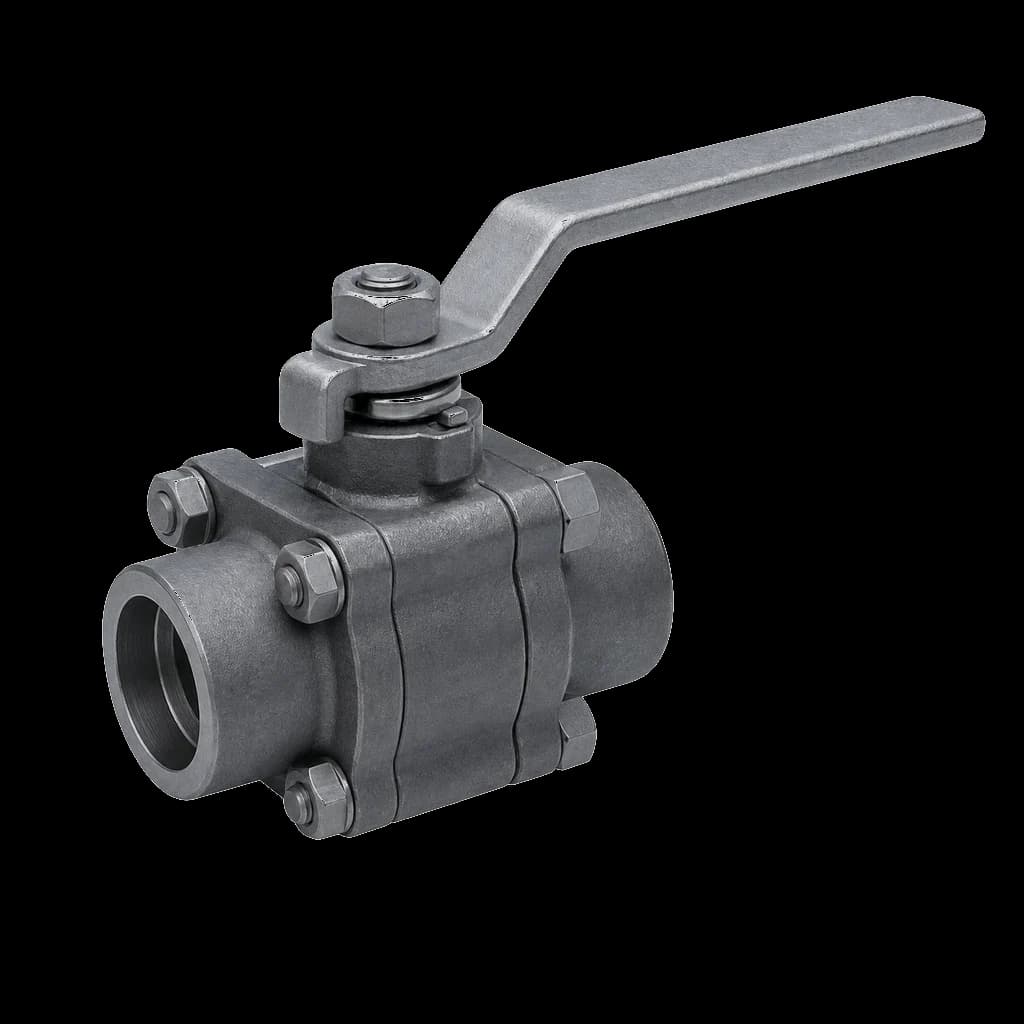
The failure: PTFE-seated ball valves get specified onto a 10 bar saturated-steam header because they are cheap and bubble-tight — for the first weeks. Steam temperature sits at the seat material's limit, thermal cycling does the rest, and within a season the "tight" valves pass steadily. The prevention: steam isolation belongs to metal-seated gate and globe construction with appropriate trim; if quarter-turn operation is genuinely needed, price metal-seated balls honestly — the seat materials guide shows why the polymer menu runs out at ~200 °C.
7. Skipping MTC verification at receipt
The failure: certificates arrive in a folder, the folder goes in a drawer, and the mismatch — heat numbers on paper that match no marking on any valve body — surfaces a year later during a client audit or, worse, a failure investigation with no traceability to stand on. The prevention: receipt inspection includes the paper: heat number on the body versus the 3.1 certificate, rating and material grade versus the PO, test reports present per API 598. Ten minutes per consignment.
8. Buying isolation valves for throttling duty
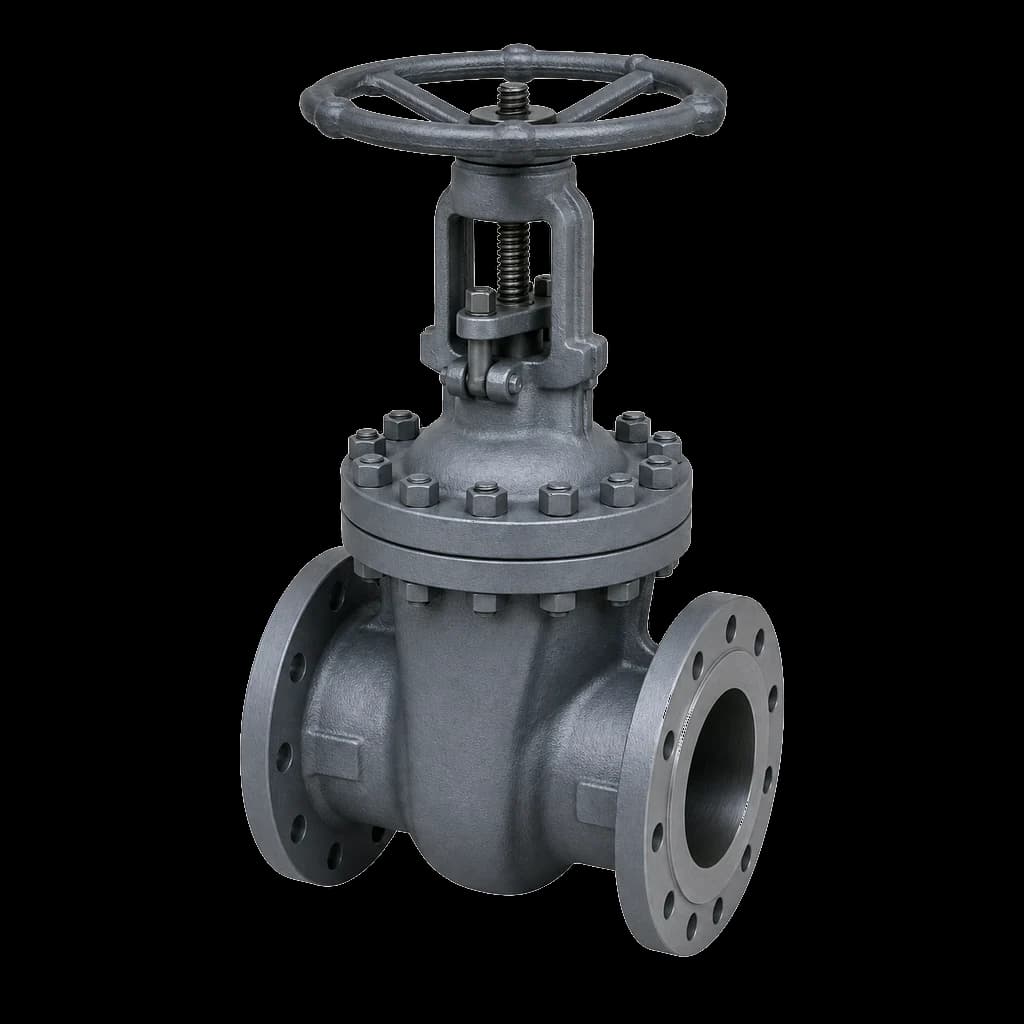
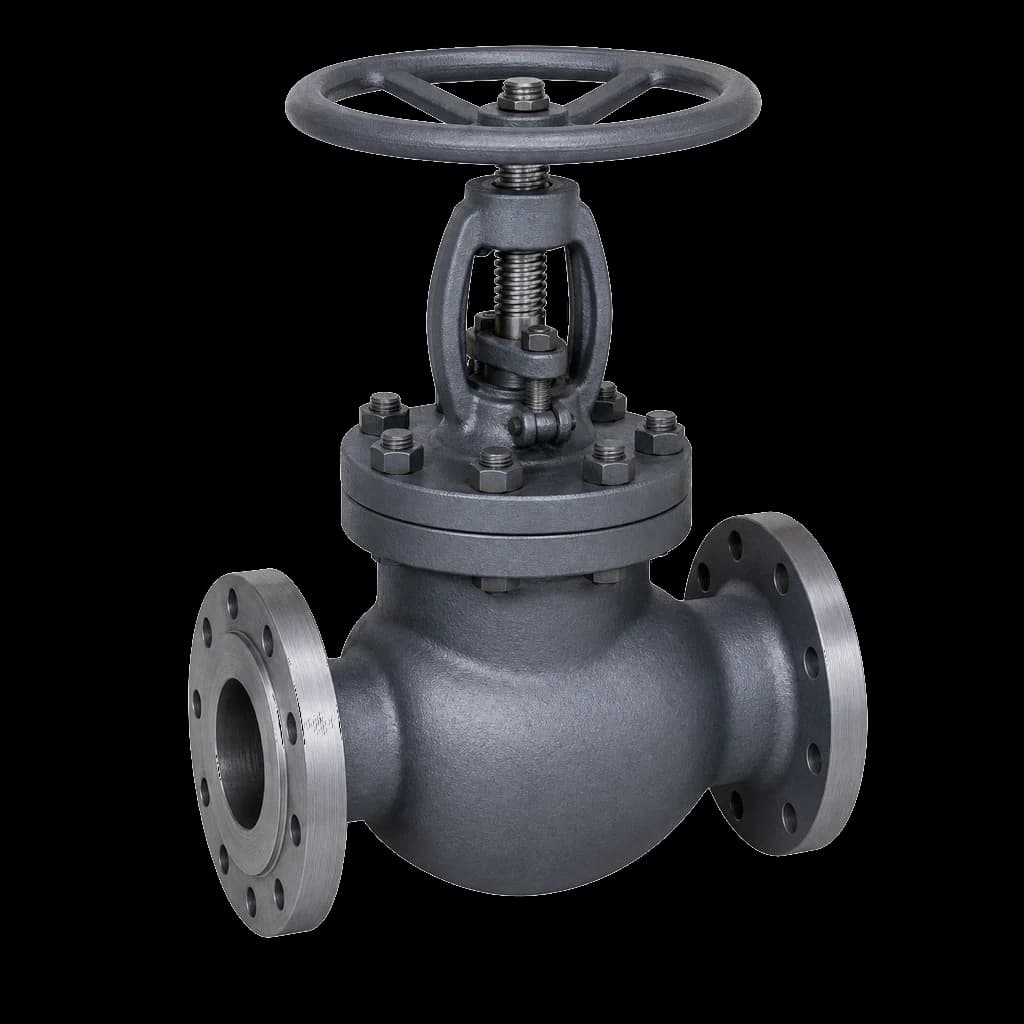
The failure: the pump discharge needs "a bit of adjustment," so the gate valve gets cracked open and left there. Weeks of high-velocity flow across a barely-open wedge wire-draws the seats; the valve then fails at its actual job — isolation — and the line cannot be shut for maintenance without a spade. The prevention: duty decides construction. Regulation belongs to globe valves; gates isolate. If the P&ID shows a throttling requirement, the RFQ should show a globe.
The pattern behind all eight
| Mistake | The one-line prevention |
|---|---|
| Class from operating data | Design P&T through B16.34, always |
| Cold rating assumed constant | Read the rating at design temperature |
| IBR found late | Scope check before RFQ, III-C on the PO |
| Thread mismatch | Thread form stated on every threaded line |
| Flange series mismatch | Series A/B verified above 24" |
| Soft seats on steam | Match seat material to temperature |
| MTCs unverified | Heat numbers checked at receipt |
| Gates throttled | Duty decides construction |