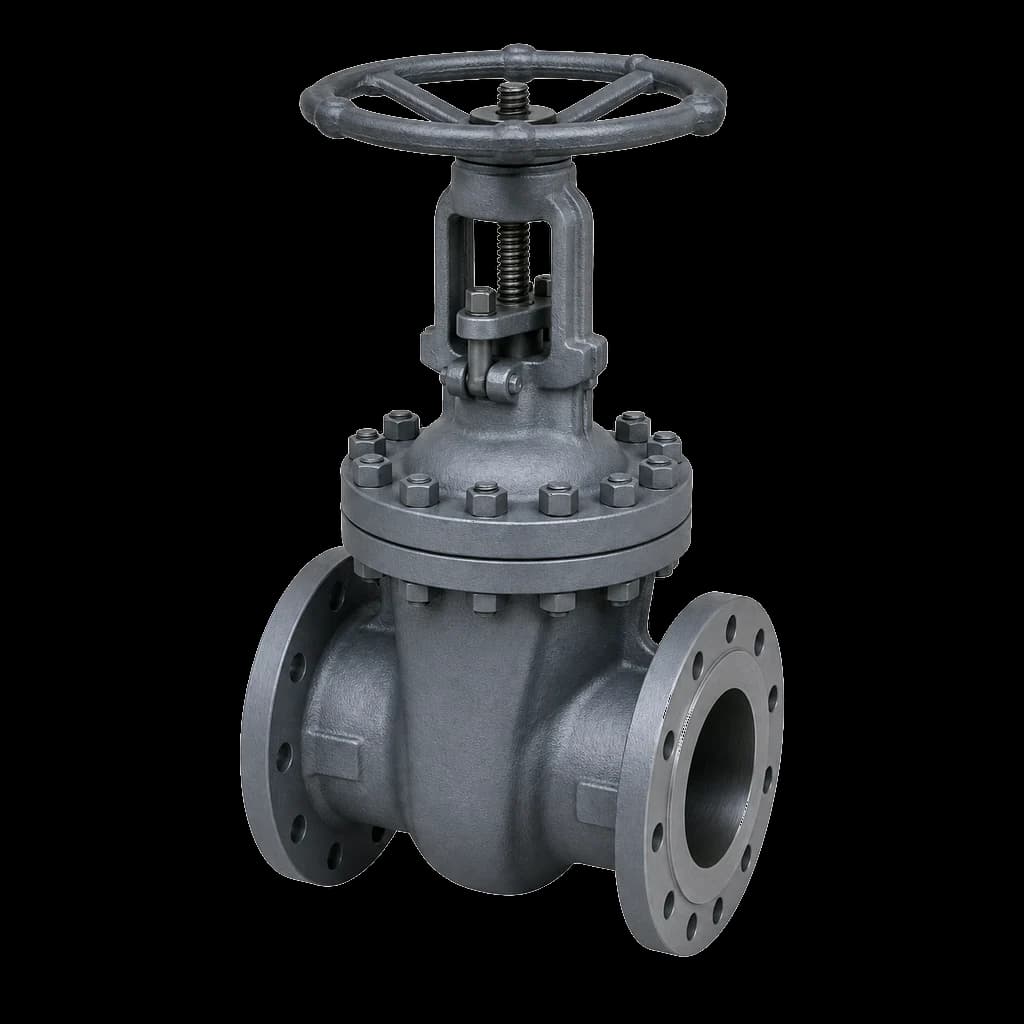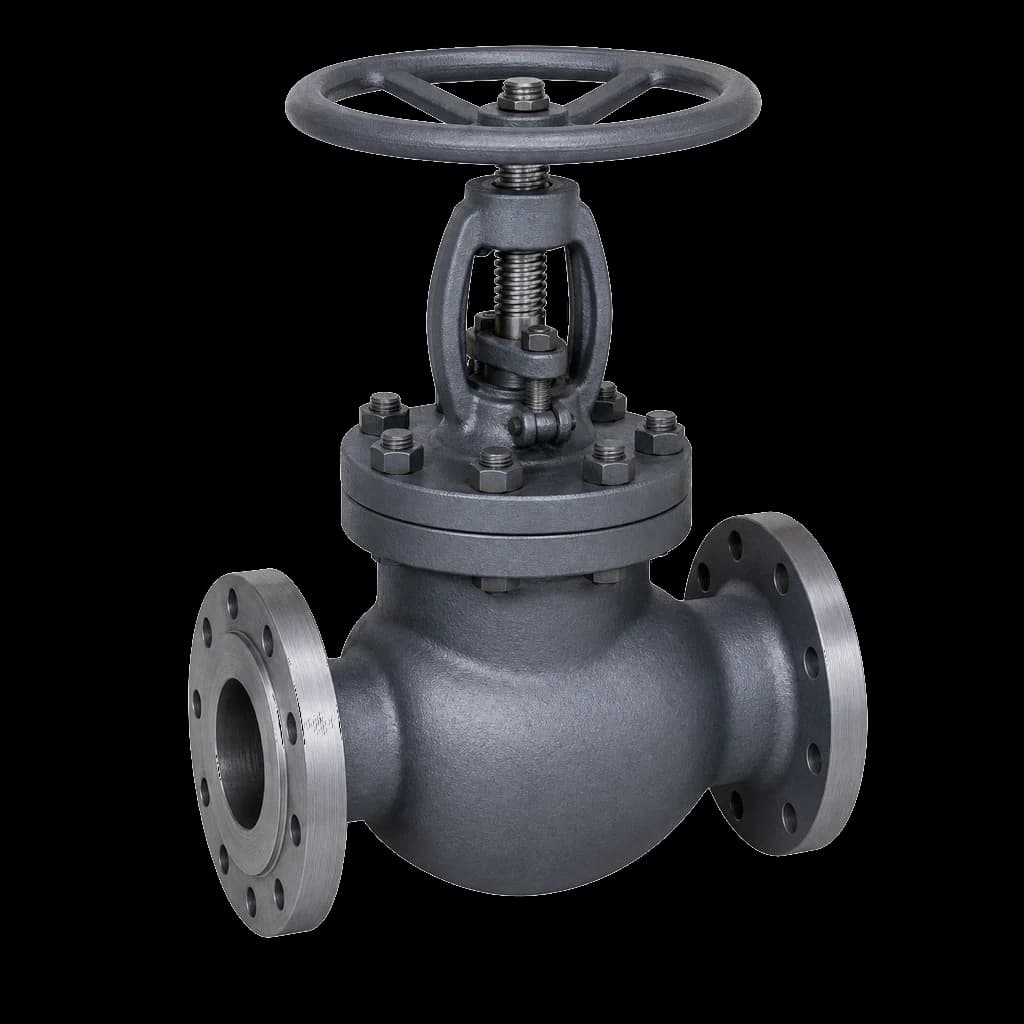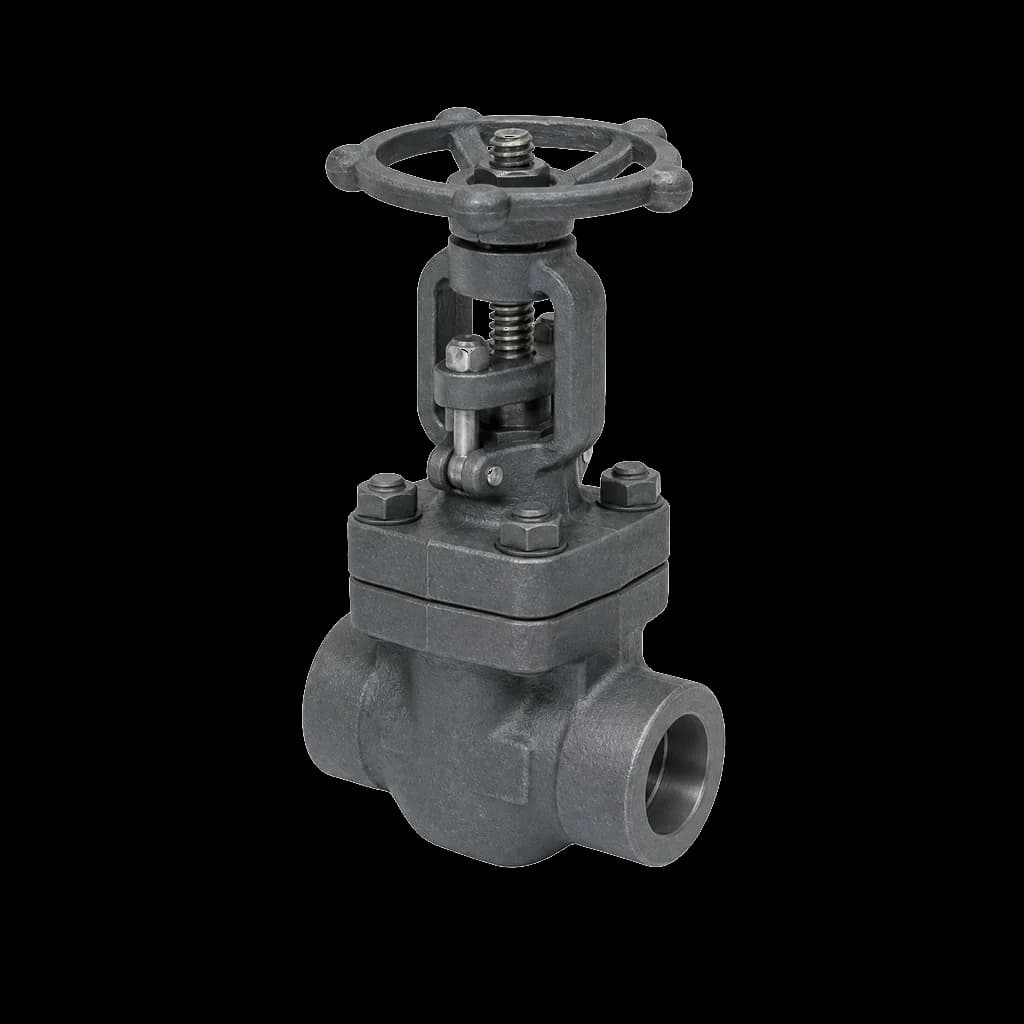
Every engineer who has handled a boiler-house package in India has met the phrase "IBR valves with Form III-C" in a tender document. Miss it, and material worth lakhs sits rejected at site while the boiler inspector waits for paperwork that should have come from the factory. Here is what the form actually is, when the law requires it, and how to buy against it without surprises.
The Indian Boiler Regulations in one minute
The Indian Boiler Regulations, 1950 (IBR), framed under the Boilers Act, govern the design, manufacture, inspection and registration of boilers and — critically for valve buyers — the steam piping connected to them. Administered by each state's Chief Inspector of Boilers, the regulations exist because boiler failure is catastrophic: everything within IBR scope needs certified material, approved design and third-party inspection.
A pipeline falls under IBR jurisdiction when it carries steam from a boiler and operates above the thresholds the regulations define — as a working rule, steam lines where the pressure exceeds 3.5 kg/cm² are treated as IBR scope, and practitioners confirm exact applicability with the state boiler inspectorate for each installation. Feedwater piping between the feed pump and boiler is also covered. Everything mounted in that line — valves, fittings, flanges — must be IBR-certified.
What Form III-C certifies
Form III-C is the IBR certificate of manufacture and test for boiler mountings and fittings — including valves. It is issued by the manufacturer and countersigned by the recognized inspecting authority that witnessed inspection and testing at the works. The IBR forms family is easiest to understand side by side:
| Form | Covers | Issued for |
|---|---|---|
| Form II | Boiler construction | The boiler itself |
| Form III-A | Steam pipes & tubes | IBR-scope piping material |
| Form III-C | Boiler mountings & fittings | Valves, safety fittings, mountings |
| Form IV | Registration | Boiler registration by state inspectorate |
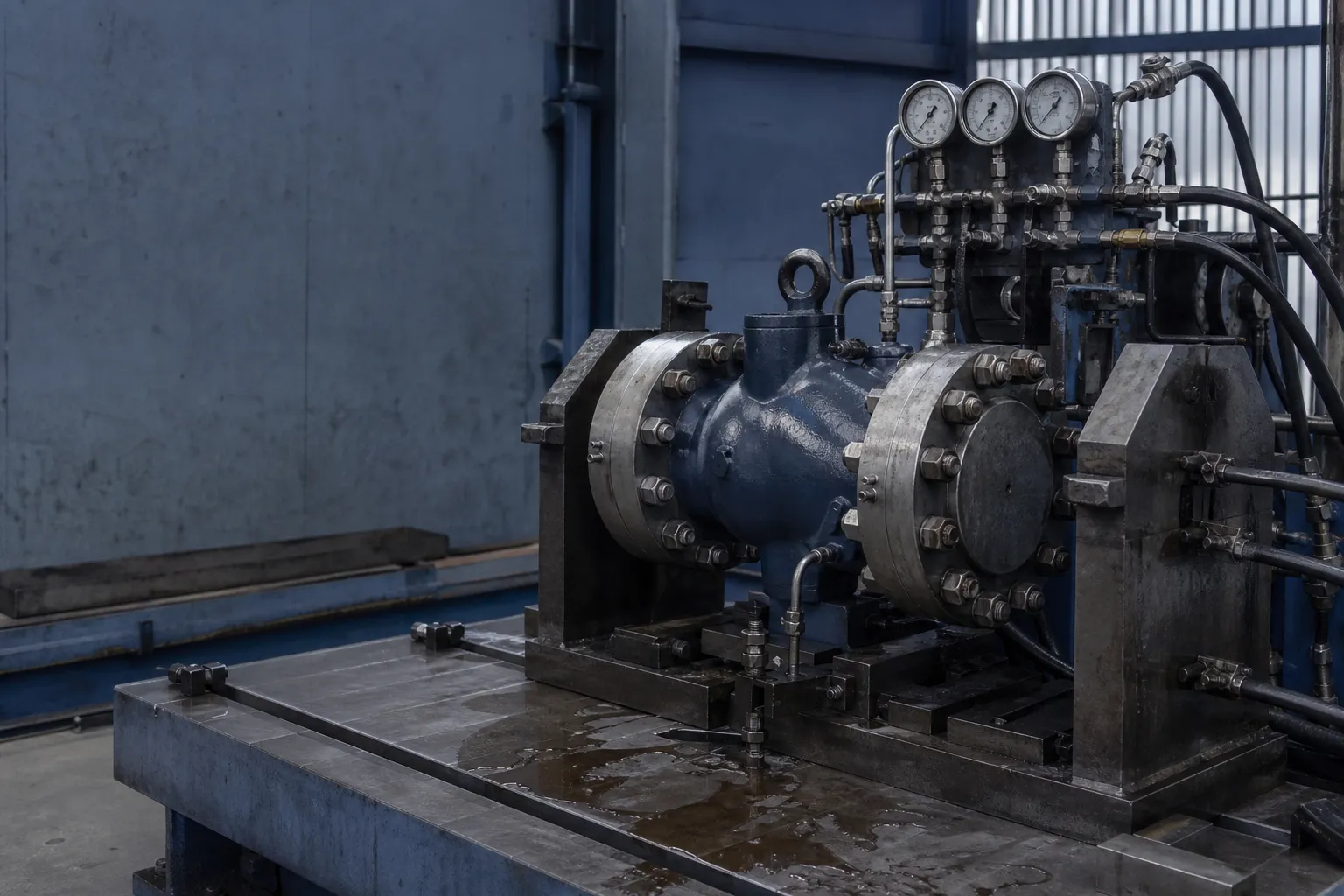
A valid Form III-C ties together: the manufacturer's identity and IBR approval, the valve's design reference and rating, the material specification with heat numbers traceable to test certificates, the hydraulic test pressure actually applied, and the inspecting authority's countersignature. It travels with the valve — the site boiler inspector will ask for it before permitting erection.
When you need it — and when you don't
- Required: isolation, non-return and control valves on steam lines within IBR scope — boiler outlet piping, steam headers, distribution to process above threshold conditions.
- Required: valves on boiler feedwater lines between feed pump discharge and the boiler.
- Not required: valves on process steam that has passed through a pressure-reducing station taking it out of IBR scope (confirm with the inspectorate), condensate systems, and non-steam services entirely — water, air, oil, gas.
- Not a substitute: an EN 10204 3.1 mill certificate is a material document; it does not replace Form III-C, which certifies the finished valve through an inspecting authority.
How to procure IBR valves correctly
- State "IBR certified with Form III-C" explicitly on the purchase order, per line item — never assume it from context.
- Confirm the manufacturer holds current IBR approval; the brands VKS represents maintain IBR-approved manufacturing for the relevant valve lines.
- Allow lead time: inspecting-authority witness points add days to weeks versus commercial supply. Plan shutdown procurement accordingly.
- Check the certificate on receipt: heat numbers must match body markings, the countersignature must be present, and the rating must cover your line conditions.
- File the original with the boiler registration dossier — the state inspectorate can call for it at any inspection.
IBR and pressure class work together
Form III-C does not replace proper pressure-class selection — an IBR-certified Class 150 globe valve is still limited by its ASME class rating at the line temperature. Specify the class from the steam conditions first, then require IBR certification on top. For guidance on which valve type suits which steam duty, see Gate vs Globe vs Ball.