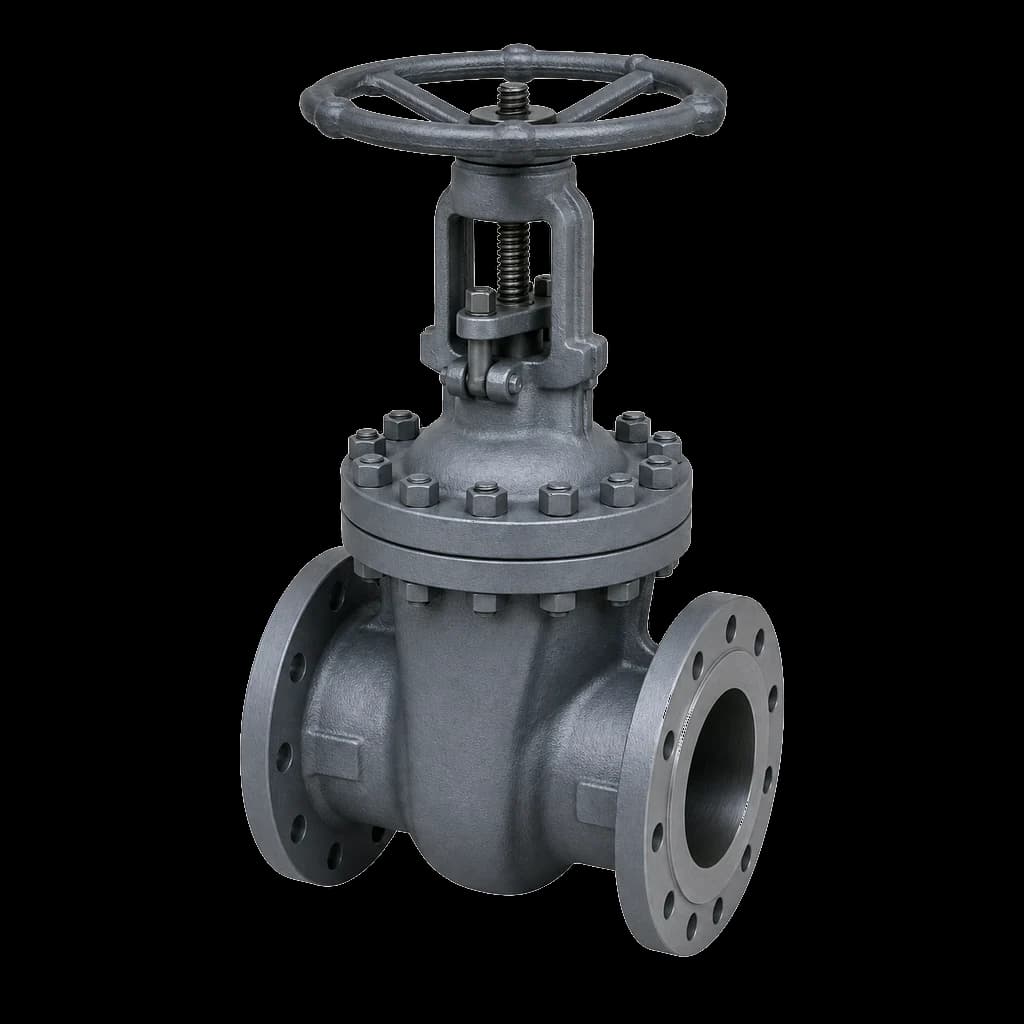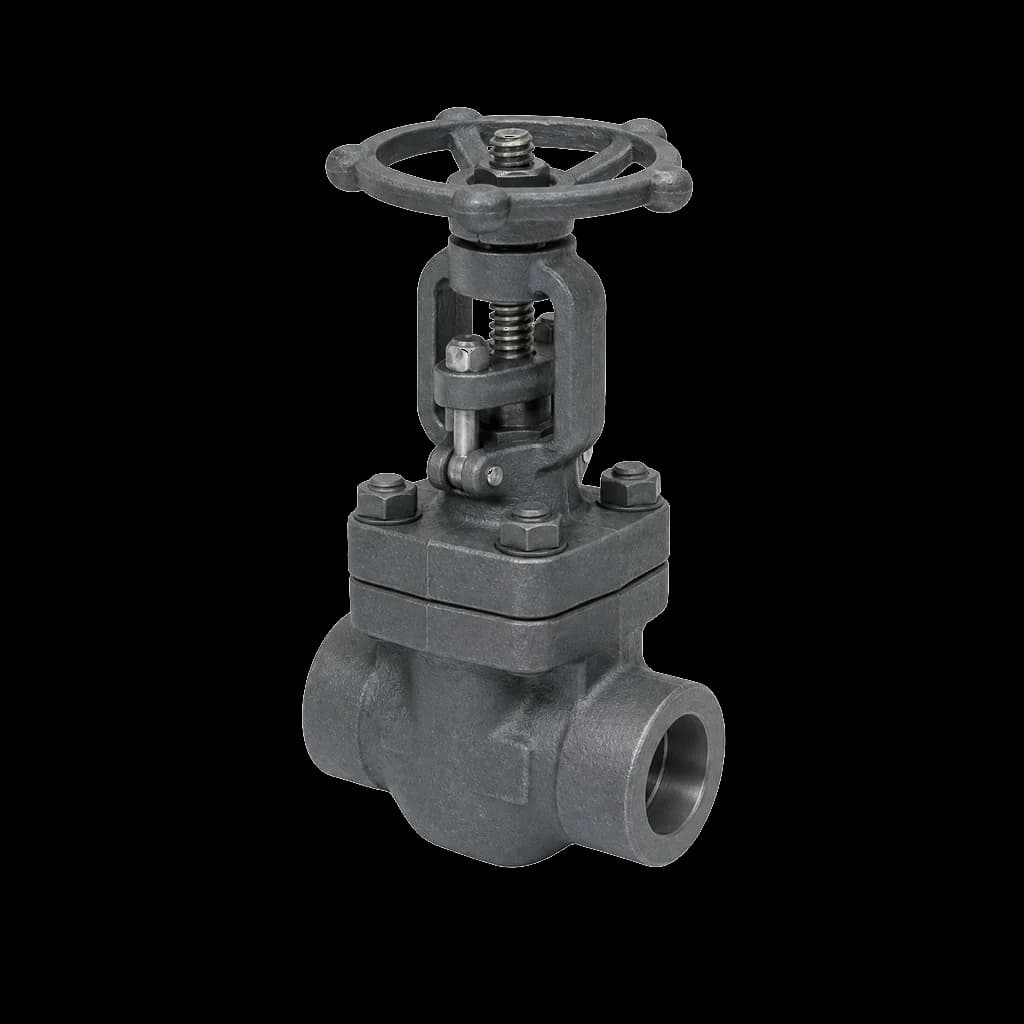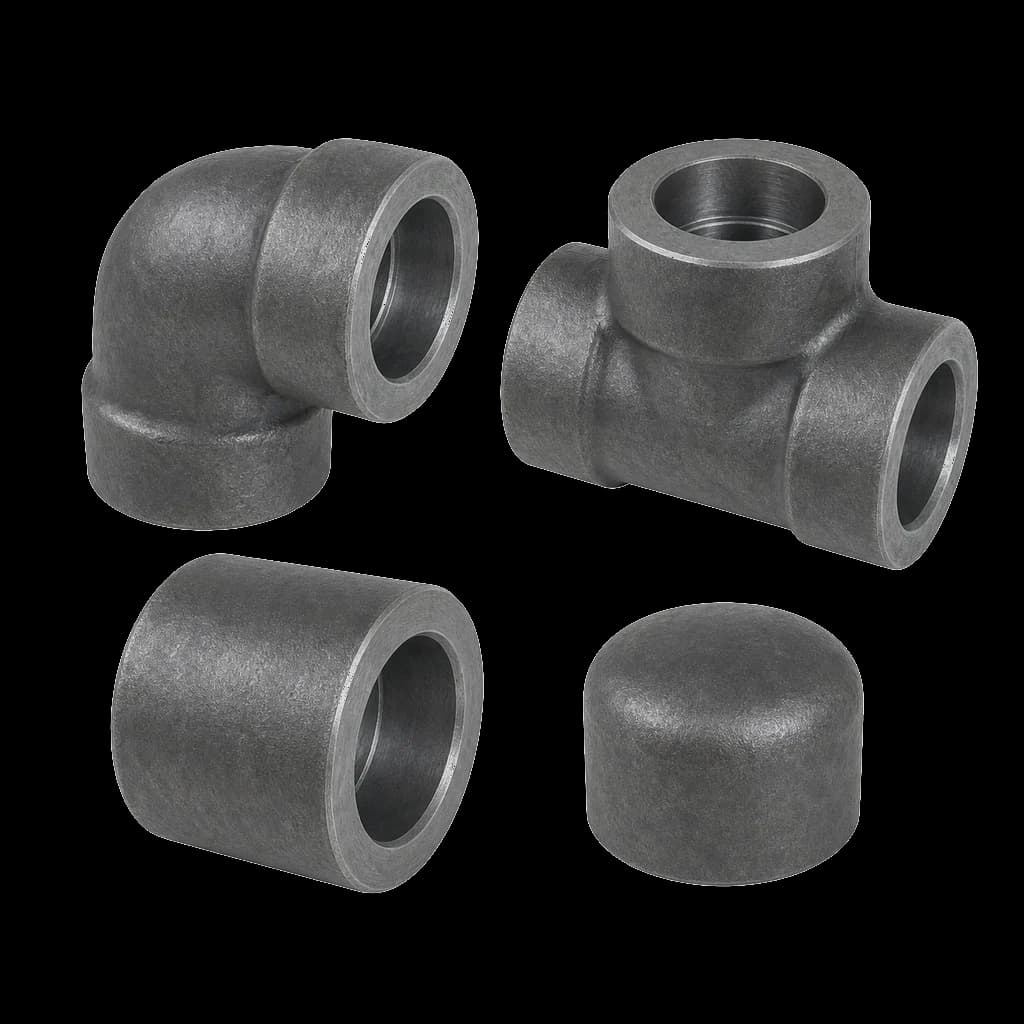
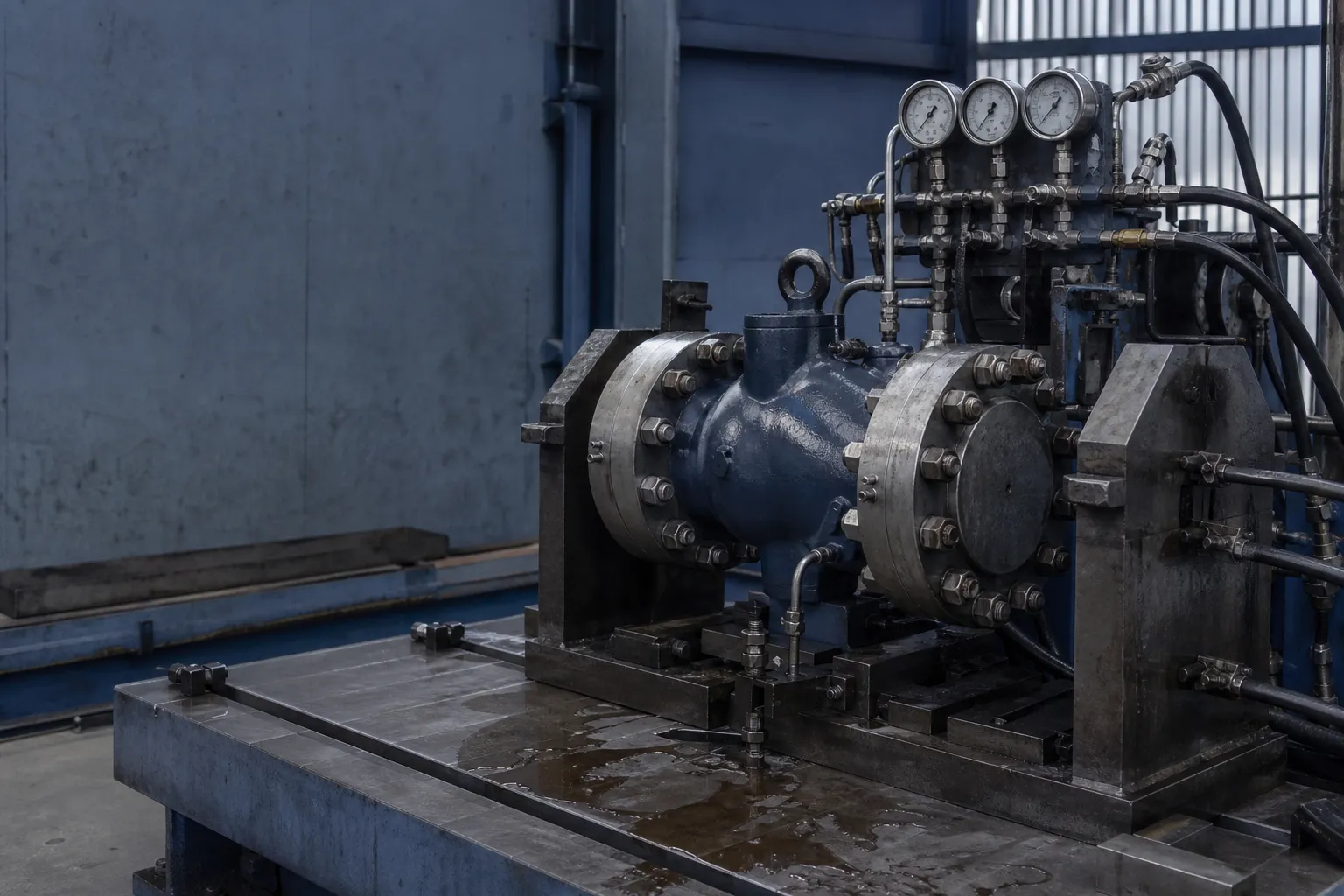
Every valve and forged fitting RFQ eventually reaches the same line item: “MTC as per EN 10204 3.1” — or, on some projects, 3.2. The difference is not paperwork detail. It decides who signs for the material, whether a third party must witness testing, and how many days the order adds to its lead time. Specify too little and the certificate gets rejected at document review; specify 3.2 by habit and you pay inspection fees the service never required. Here is how the system works and how to choose.
What EN 10204 actually is
EN 10204 is the European standard for *types of inspection documents* for metallic products. It does not set chemistry limits, mechanical minimums or test methods — those come from the product standard (ASTM A105, A216, A182, IS 1239 and so on). EN 10204 only defines what kind of document accompanies the material and who is authorized to validate it. The 2004 edition, which replaced the 1991 version and its 3.1.A/3.1.B/3.1.C sub-types, defines four document types: 2.1, 2.2, 3.1 and 3.2.
The four document types compared
| Type | Document | Test results | Validated by |
|---|---|---|---|
| 2.1 | Declaration of compliance with the order | None | Manufacturer |
| 2.2 | Test report | Non-specific — may come from other production, not the items supplied | Manufacturer |
| 3.1 | Inspection certificate | Specific — tests on the actual heat/lot supplied | Manufacturer’s inspection representative, independent of the manufacturing department |
| 3.2 | Inspection certificate | Specific — tests on the actual heat/lot supplied | Manufacturer’s independent representative **plus** the purchaser’s representative or a designated third-party inspector |
The dividing line sits between 2.x and 3.x. Types 2.1 and 2.2 rest on non-specific inspection — the manufacturer states conformity, and any test data may derive from routine production rather than your order. Types 3.1 and 3.2 rest on specific inspection: the results belong to the exact heats and lots being delivered, and the certificate is signed by quality personnel who do not report to production. Type 3.2 adds a second, external signature — a purchaser’s representative or an independent inspection agency validates the same results.
What a valid 3.1 must contain
For pressure-boundary items — valve bodies, bonnets, forged fittings — a 3.1 certificate should let you reconstruct the material’s history without a phone call. At minimum, check for:
- Heat / cast number — the anchor of traceability, and it must match the number hard-stamped or cast on the component itself.
- Chemical composition — ladle and/or product analysis against the limits of the stated grade (A216 WCB, A105, A182 F304 etc.).
- Mechanical properties — tensile strength, yield, elongation, and hardness or impact values where the product standard or supplementary requirements demand them.
- Heat treatment condition — normalized, quenched and tempered, solution annealed, with reference to the applicable procedure.
- Reference to the order and product standard — grade, edition, and any supplementary requirements invoked.
- NDE results where specified — radiography, MPI or dye-penetrant coverage on castings, for instance.
- Validation — the stamp and signature of the manufacturer’s authorized inspection representative.
A certificate missing the heat number, or carrying chemistry that cannot be tied to the delivered items, is not a 3.1 in any meaningful sense — regardless of what the header claims.
When projects genuinely demand 3.2
Type 3.2 exists for cases where the purchaser wants verification outside the manufacturer’s own organization. Typical triggers: critical or lethal service (sour hydrocarbons per NACE MR0175, high-pressure steam, oxygen), process licensor specifications that mandate third-party inspection on pressure parts, offshore and pipeline projects with certifying-authority involvement, and owner specifications for long-life assets where material substitution risk is unacceptable. The external validator is either the purchaser’s own inspector or an agency the purchaser designates — established inspection bodies are the usual route. For the large majority of refinery, water and utility valve orders, a properly executed 3.1 is the accepted norm; 3.2 is the exception you invoke deliberately.
Cost and lead-time implications
A 3.1 certificate is part of the manufacturer’s standard quality flow and typically adds nothing to lead time on catalogue items. A 3.2 changes the logistics: the third-party inspector must be appointed, an inspection call raised, and hold points held open until the visit happens. As representative figures, expect days to a few weeks added to delivery and an inspection fee per visit, plus re-visit costs if the lot is not ready. On small-value small-bore orders, 3.2 charges can approach the value of the goods — which is exactly why it should be specified from service criticality, not habit.
Checking certificates at receipt
- Match the heat numbers on the certificate to the markings on each body, bonnet or fitting. No match, no acceptance.
- Verify the grade and standard edition against the purchase order — a certificate to the wrong grade is a rejection, not a note.
- Read the chemistry against spec limits, including carbon equivalent where welding is planned on carbon-steel butt-weld ends.
- Confirm the mechanicals meet the product standard, and that impact tests appear where low-temperature service was specified.
- Check the validation — type stated (3.1 or 3.2), signature of the independent QA representative, and the third-party endorsement on a 3.2.
- File against the tag number so the certificate is retrievable at hydrotest, commissioning and any future inspection audit.
One final boundary worth stating: EN 10204 certifies material. It does not replace pressure-test documentation per API 598, and for boiler-connected steam service in India it does not replace IBR Form III-C. A complete valve dossier carries all three, each doing a different job.