A purchase officer at a zonal railway stores depot opens the RDSO approved vendor list, filters it by item, and buys from what comes back. Whoever is absent from it is out of the tender, however sound the castings. That one fact sustains a consulting trade around RDSO's Lucknow campus, most of it reselling procedure RDSO publishes openly. Here is what the list governs, where valves and fittings sit inside it, how the Part-I and Part-II tiers behave in a bid, and — the point most suppliers get wrong — how much railway valve business needs approval at all.
What the RDSO approved vendor list actually covers
RDSO — the Research Designs and Standards Organisation at Manak Nagar, Lucknow — is the standards wing of the Ministry of Railways. It writes specifications and approves sources; it does not buy. Purchase sits with the zonal railways, the production units (ICF, RCF, MCF, CLW, BLW, PLW) and entities such as RVNL and DFCCIL. For items where RDSO is the nominated approving authority, it assesses manufacturers and publishes them in a directory searchable by item, showing the firm, works address, item, tier and validity date.
Three properties of that entry decide its worth. Approval is granted for a named item at a named works — not a corporate badge, so a second unit needs its own assessment and moving production to another foundry does not carry it across. It is not transferable to a trading firm or a group company. And it expires: a lapsed entry reads like no entry at eligibility screening, which is how competent firms lose live tenders on a calendar mistake.
Which railway valves need approval, and which do not
Most enquiries start from a false premise — that anything sold to Indian Railways needs an RDSO entry. It does not. The regime is concentrated on rolling stock, track, signalling and traction: the safety-critical population. Air brake distributor valves, angle cocks and isolating cocks fitted to coaching and freight stock sit squarely inside it, governed by IRS and RDSO specifications, type tested and often field trialled before regular supply begins.
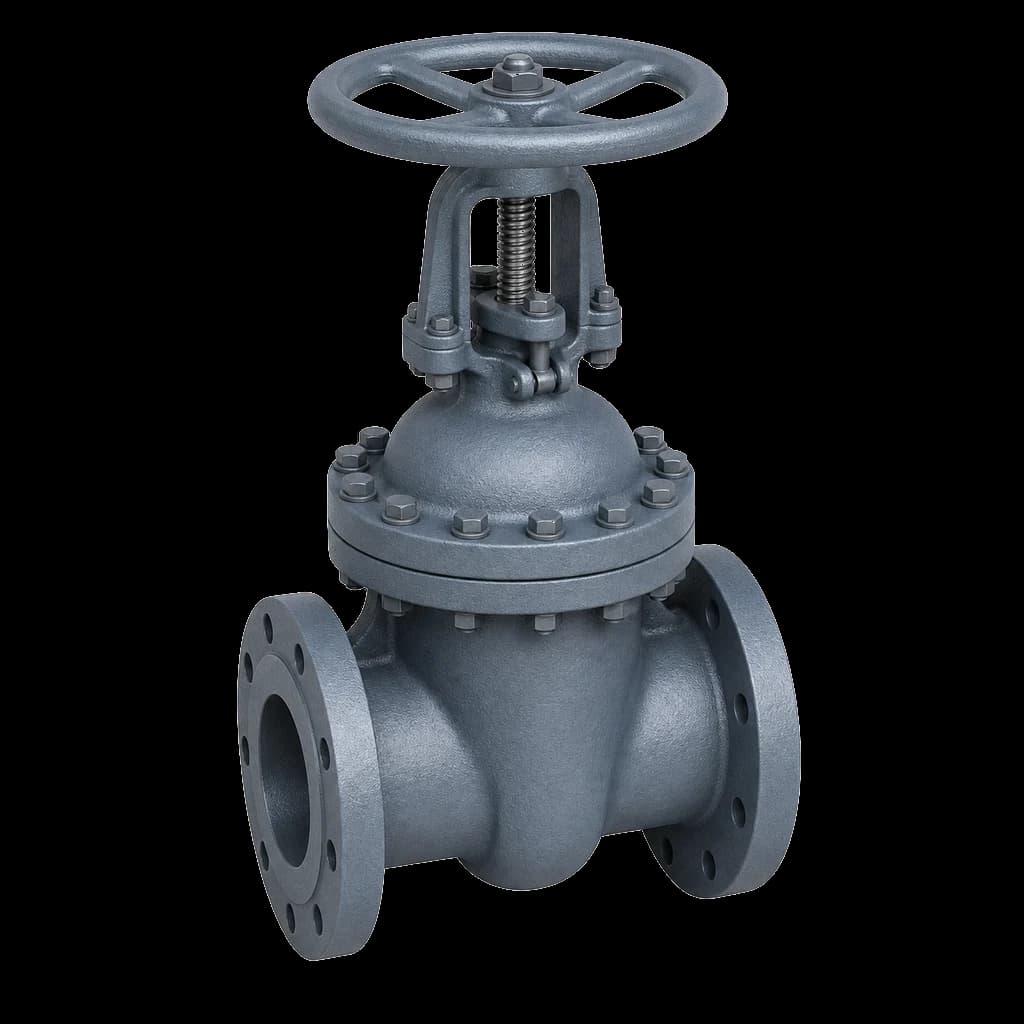
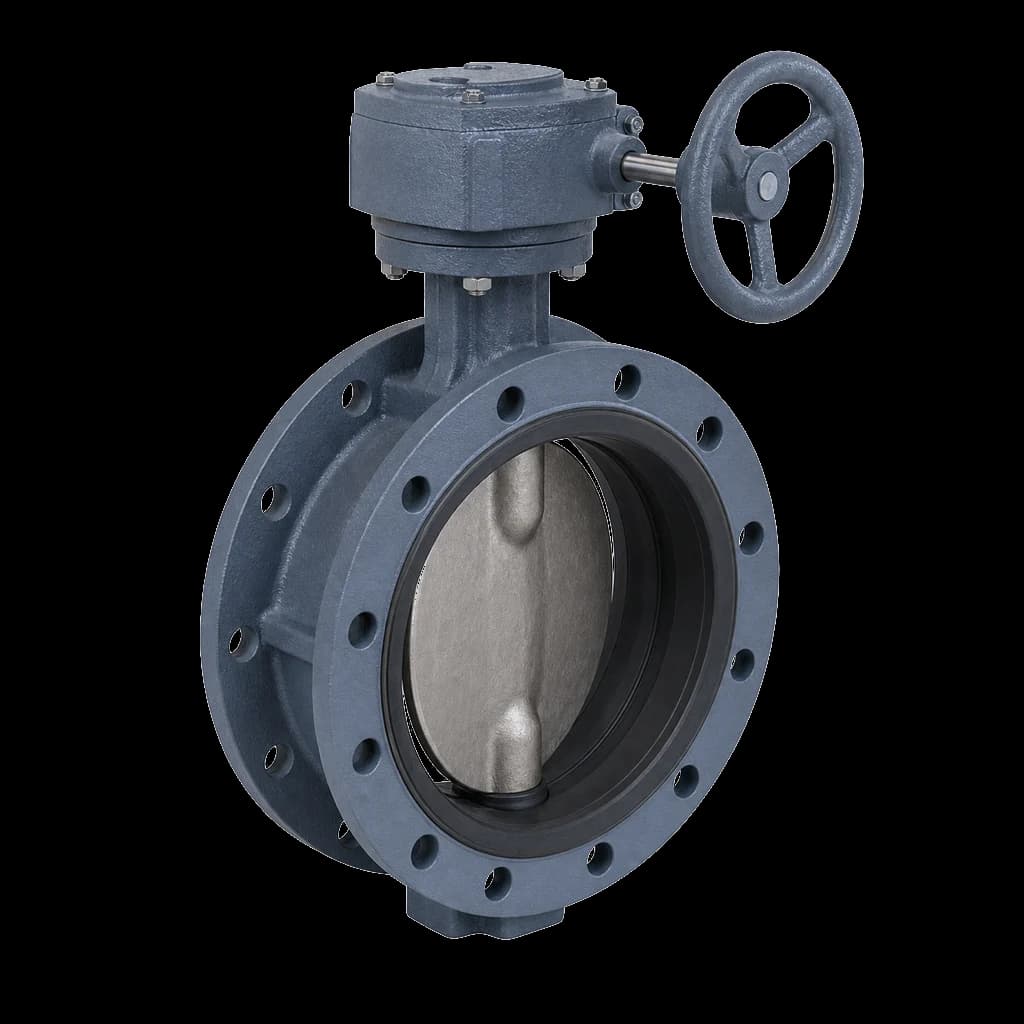
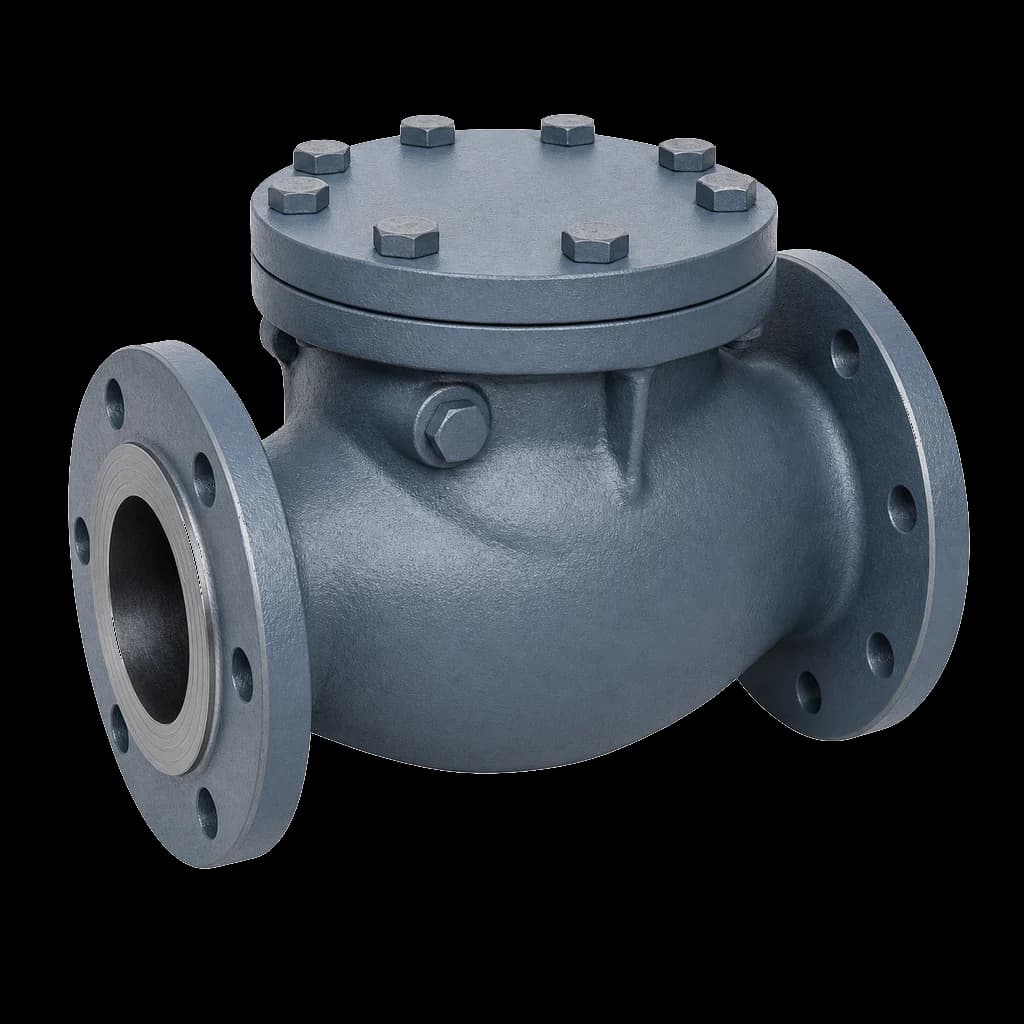
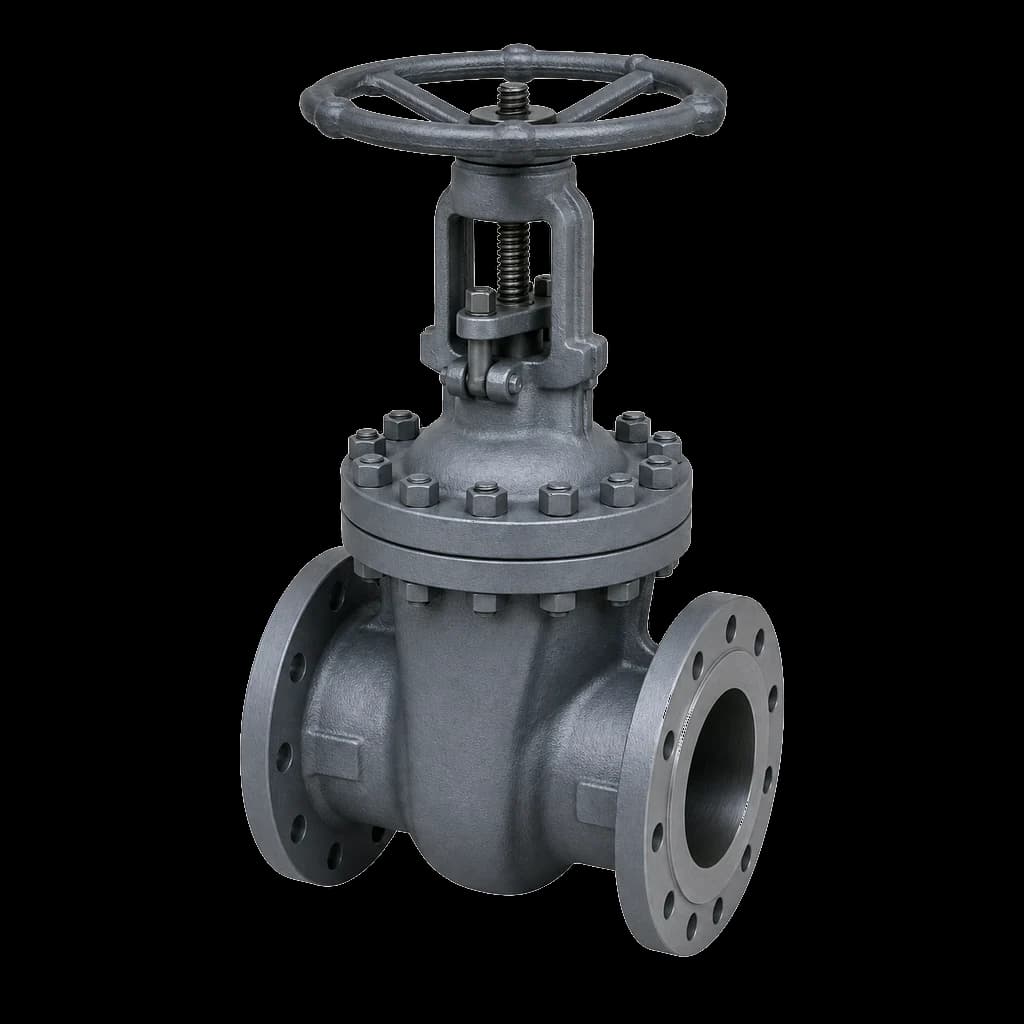
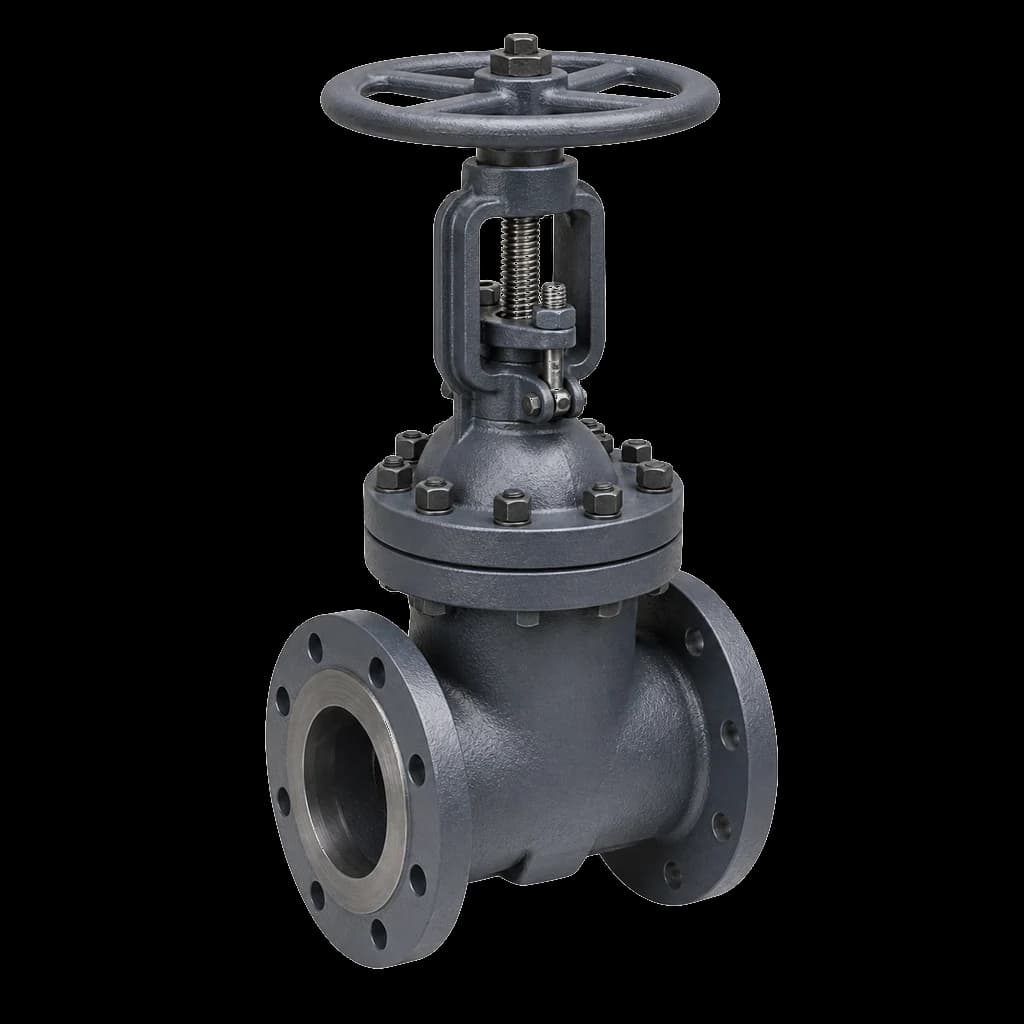
General industrial pipeline valves are a different market with a different gate. Water supply to stations and colonies; fire hydrant and sprinkler mains; compressed air, steam and cooling water in workshops and loco sheds; washing lines; utility packages inside DFCCIL and station redevelopment contracts — all bought against BIS, API and ASME specifications by railway purchase or by the EPC contractor holding the package. Cast iron sluice valves to IS 14846, reflux valves to IS 5312, GI tube to IS 1239 Part 1 with fittings to Part 2: that is the vocabulary of those tenders, not an STR number.
The technical schedule settles it in five minutes. If it cites an RDSO or IRS specification and restricts sourcing to approved vendors for that item, you need the entry. If it cites IS, API or ASME numbers, names an inspection agency such as RITES, and carries an approved-make list, RDSO approval is not the gate — the ISI licence, the make list, the inspection call and the mill test certificate are.
| Item | Usual approving route | Governing specifications |
|---|---|---|
| Air brake valves, angle cocks, isolating cocks | RDSO vendor approval, item-wise | IRS and RDSO specifications, type test |
| Track, signalling and traction hardware | RDSO vendor approval, item-wise | RDSO specifications and approved drawings |
| Station and colony water supply valves | Railway purchase against approved make list | IS 14846, IS 780, IS 2906, IS 5312 |
| Fire hydrant and riser valves | Railway or EPC package, statutory fire clearance | IS 5290, IS 3844, IS 13039, NBC Part 4 |
| Workshop and loco shed utility valves | Workshop purchase, third-party inspection | IS 13095, API 600, API 602, ASME B16.34 |
| Pipes and fittings for civil packages | EPC contractor purchase against BOQ | IS 1239, IS 3589, IS 1538, ASME B16.11 |
Part I and Part II: what the tiers do to your bid
The directory splits approved sources into two tiers. Part II is the developmental category — a firm that has cleared capacity and capability assessment and the prototype stage but has no supply record for that item. Part I is the established category, reached after satisfactory performance over a defined period and quantity. Definitions and upgrade criteria have been revised more than once in RDSO's vendor approval procedure, so confirm the current wording rather than a consultant's three-year-old slide.
The tier matters commercially: purchase policy distributes tendered quantity by tier, established vendors taking the bulk and developmental vendors a restricted share, which widens the source base without putting a safety item on an unproven line. Each tender states its own split; RDSO does not set it. Expect a developmental period spent building a record at a fraction of the quantity you tooled up for — that cash-flow reality, not the assessment, is what breaks new entrants.
Movement is bidirectional. Inspection rejections, warranty failures or a false declaration will get a firm suspended, downgraded or removed, and those notices are published. On a safety item, one bad lot ends the relationship.
The approval route, step by step
Start with the STR, not the application form
Each approvable item has a Schedule of Technical Requirements setting out minimum plant and machinery, in-house testing facilities, technical manpower and the quality plan a works must hold. Audit yourself against it line by line before spending anything. Where the STR says a facility must be in-house, an arrangement with a nearby lab is normally not accepted — the most expensive surprise in the process.
Application and document pack
Applications go through RDSO's online vendor registration module, item by item, against a per-item fee. The pack typically runs to incorporation and GST documents, ownership or long lease of the works, ISO 9001 certification, a plant and machinery list backed by purchase evidence, NABL-traceable calibration certificates for every test instrument, an organisation chart with qualifications, the item-specific QAP and an undertaking on the prescribed format.
Capacity and capability assessment
An RDSO team visits the works. They are not reading your brochure — they check that listed machines exist, run and are calibrated; that test rigs produce dated records rather than blank formats; that traceability from heat number through the MTC to the finished body is reconstructable. Most first-attempt rejections happen here, and almost all of them are documentation failures rather than engineering ones.
Prototype, type test and validity
Samples are then made under inspection and type tested to specification, with field trial where service behaviour cannot be proven on a rig. The approval carries an expiry, and renewal means fresh assessment plus a clean performance record. Open the renewal file well before the date on the directory entry — screening reads that date and nothing else.
RDSO approval, IREPS registration and GeM are not the same thing
These three get conflated constantly. RDSO approval is technical eligibility for a specific item. IREPS — the Indian Railways e-procurement system — is only where tenders are published and bids submitted: register the firm, obtain a Class 3 digital signature certificate, map it to the authorised signatory. It confers no technical standing. GeM is a separate marketplace with its own onboarding and assessment, used heavily for general stores and standard IS-specification valves.
| Route | What it establishes | What it does not do |
|---|---|---|
| RDSO vendor approval | Eligibility to supply a named item from a named works | Does not let you bid, or cover other items or plants |
| IREPS registration with Class 3 DSC | Ability to view and submit bids on railway tenders | Establishes no technical or quality standing |
| GeM seller registration and vendor assessment | Ability to list and sell on the marketplace | No substitute for approval on RDSO-controlled items |
Run all three in parallel, and layer the statutory preferences on top: Udyam registration for micro and small enterprise benefits, and the local-content declaration under the Make in India procurement order, now asked for in most railway tenders. Our PSU vendor registration guide covers the pattern across NTPC, IOCL, BHEL and the state boards, and the GeM vendor assessment guide handles the marketplace route.
Where applications stall
- Filing before the STR is met. Applying while machines on the mandatory list are still on order guarantees an adverse report.
- Outsourced testing. Hydro rigs, hardness testers, spectrometers and UTMs specified as in-house must be owned and calibrated at the works.
- Calibration gaps. An expired certificate on one pressure gauge reads as a systemic control failure, not a clerical slip.
- Broken traceability. If nobody can walk an assessor from a heat number on the MTC to the machined body and its hydro record, the QAP is decorative.
- A borrowed QAP. Copied from another vendor, carrying the wrong drawing revision or a superseded specification, it is recognised instantly.
- Entity mismatch. GST, factory licence, pollution consent and ISO certificate must all name one legal entity at the address being assessed.
- Too many items at once. Each carries its own STR, fee and assessment. Get one through cleanly, then extend scope.
What a channel partner can and cannot do here
Be clear on one thing: approval attaches to the works that makes the item, so no distributor can hold it on a manufacturer's behalf. Anyone offering to sell you an approval, or to bid an RDSO-controlled item on someone else's entry without authorisation from that works, is selling a fiction. A spec-first sourcing house is useful on either side of that boundary — assembling the registration file for a manufacturer with the plant but not the paperwork discipline, and supplying the large volume of railway valve business that never touches an STR.
That second half is the bigger market for most piping suppliers, and it runs on IS-specification sluice valves, butterfly valves, reflux and foot valves, strainers and fittings, inspected by a third party against an approved-make list. None of it needs an RDSO entry — it needs the right specification, an ISI licence where one applies, and documentation that survives the receiving store.