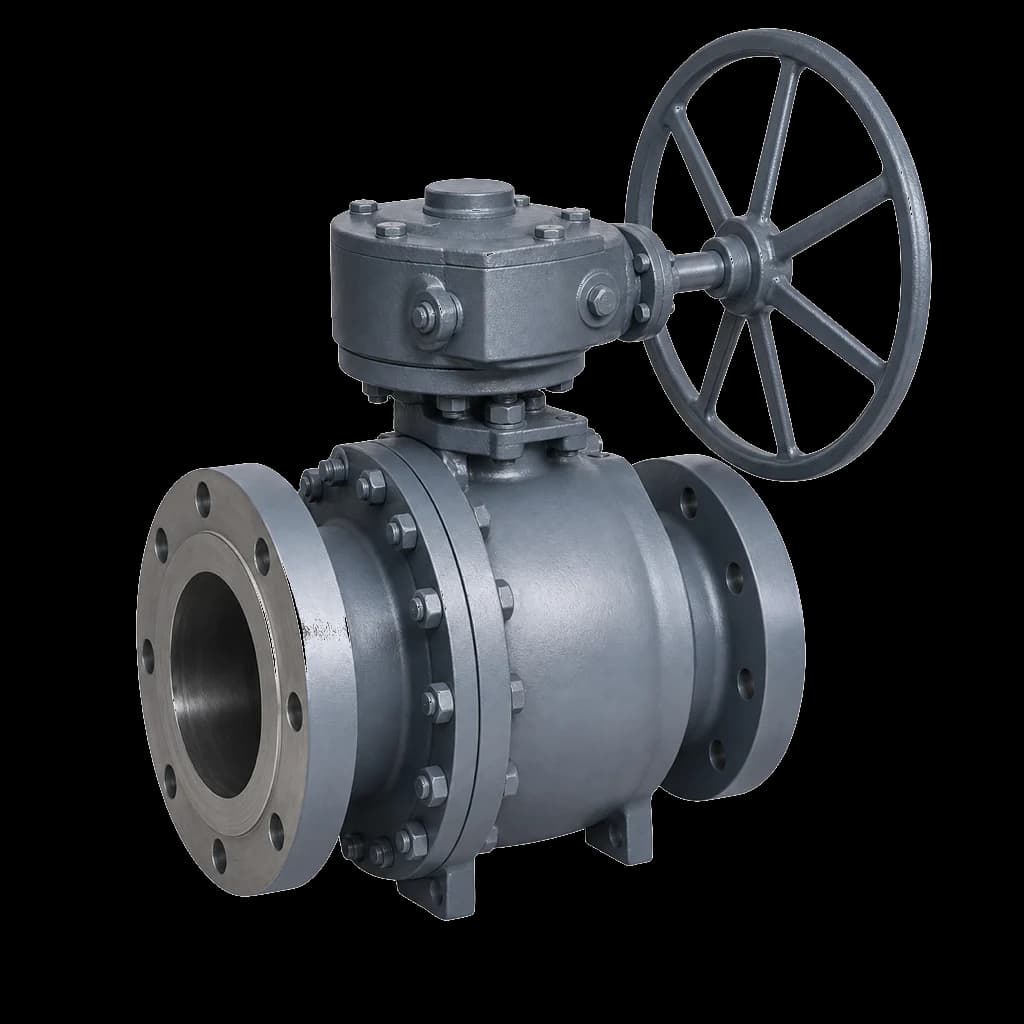
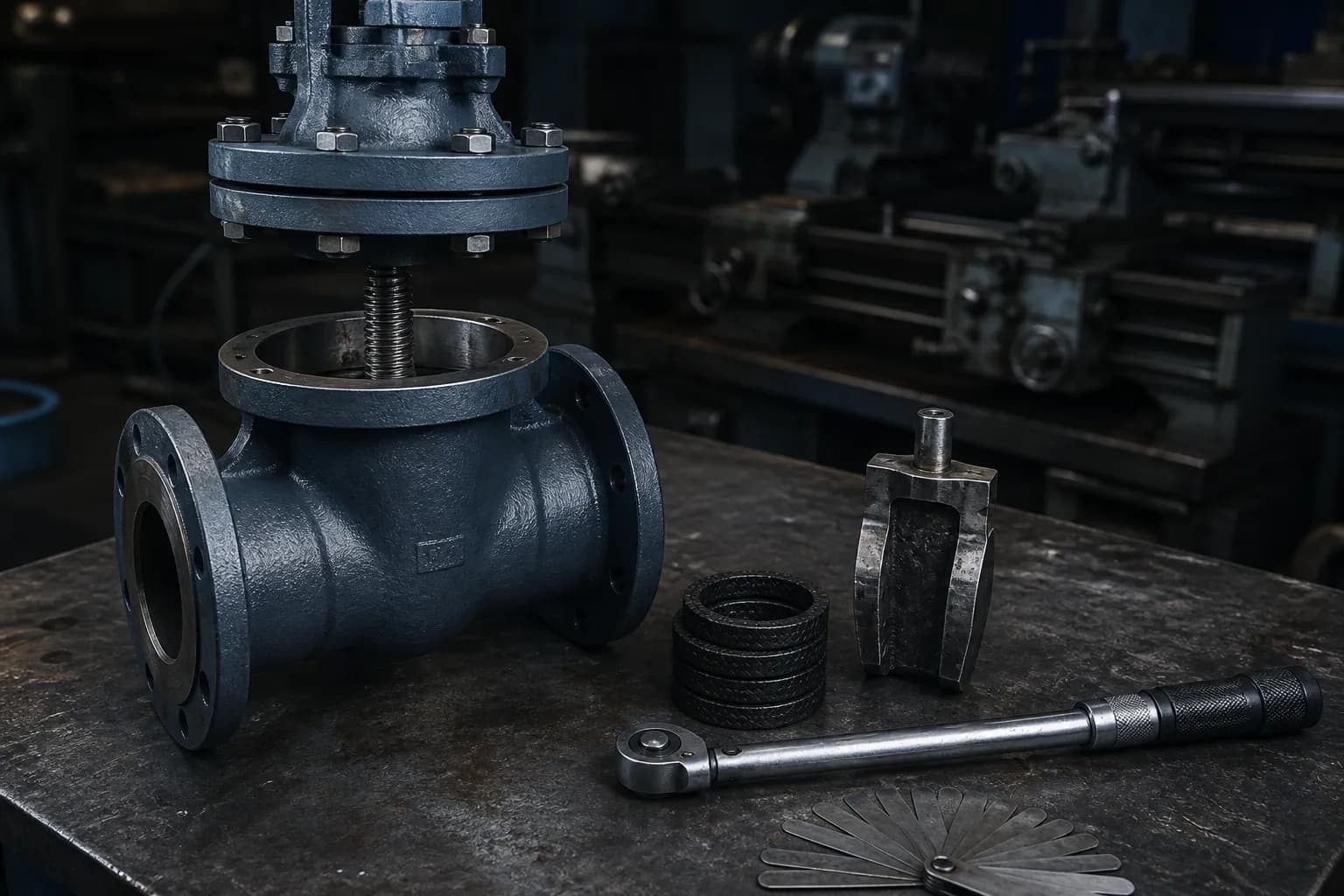
A valve that passes is rarely the author of its own failure. Valve leakage across a closed seat is a symptom, and the damaged sealing face records the cause: a gate valve cracked open for throttling, weld spatter left in the line at commissioning, a differential pressure the trim was never specified to hold, or a body pulled out of round by unsupported pipe. This guide is about reading that record.
Is it the valve at all?
Many passing reports that reach a supplier are not seat leakage. Before anything is dismantled, establish two things: that the leak path is internal, and that it belongs to the valve you are about to pull.
External or internal?
Fluid at the gland follower is packing leakage — a consumable failure, corrected by re-packing with die-formed graphite or PTFE rings at the right gland load, without touching the trim. Weeping at the body-to-bonnet joint is a gasket or bolt-load problem. Seepage through the casting wall is porosity, a rejectable defect on a pressure-containing part. Only fluid appearing downstream of a fully closed valve is seat leakage.
Which valve on the header?
A downstream pressure rise on a header with six isolation points proves nothing. Use the bleed: close both valves of a block pair, crack the bleed and watch which side re-pressurises. Without a bleed, a contact ultrasonic detector hears the noise a leak makes at the seat orifice, through the body wall, on a live line — benchmark against a tight valve of the same size and service. On steam and condensate, thermography is faster. Check ambient first: a rise between two closed valves on a sunlit liquid line is thermal expansion, not leakage.
How much valve leakage is allowed
There is no field acceptance standard for valve leakage. Every number the industry quotes is a shop figure, measured in a test rig at ambient temperature on clean water or air — the right benchmark for a new or reconditioned valve, not for one many years into raw water or superheated steam.
- API 598 is the shop and FAT closure test for line valves: no visible leakage for soft seats, a size-proportional drop or bubble count for metal seats.
- ISO 5208 defines lettered seat leakage rate classes called up by ISO and EN valve standards, Rate A being no visible leakage.
- API 6D covers pipeline ball, gate, check and plug valves as built — an acceptance test, never a field criterion.
- FCI 70-2 and IEC 60534-4 apply to control valves only: Class IV is 0.01 % of rated capacity, Class VI a bubble count for soft seats.
A resilient-seated valve is a pass or fail device: soft seats shut off bubble-tight, so any measurable leakage means the seat is damaged, deformed or fouled, and more handwheel effort will not recover it. A metal-seated gate or globe valve was never bubble-tight, so the question is whether the rate is stable — one creeping up across successive shutdowns is progressive damage. Our note on API 598 testing covers what the shop test proves, and seat leakage rate classes explains where the ISO 5208 and FCI 70-2 numbers come from, including how a control valve leakage figure is calculated from rated capacity.
Reading the damage pattern
On the bench, the seat tells you the mechanism. Photograph it before cleaning — the deposit pattern is half the evidence, and the first wire brush destroys it.
Wire drawing
A narrow channel cut radially across the seat, usually widening downstream and mirrored on the wedge or disc. It comes from high-velocity fluid forced through a small gap at high differential: a gate valve throttled, left cracked open for warm-through, or already passing slightly and eroding its own path. Wire drawing is self-accelerating, and no amount of closing torque bridges it.
Erosion, flashing and cavitation
Erosion is broad, directional metal loss with a smooth matte sandblasted look, oriented with the flow and worst downstream of the throttling point — flashing on hot liquid duty, particle wear on raw water and slurry. Cavitation looks nothing like it: sharp-edged, deep, irregular pitting with a cinder texture, appearing downstream of the seat rather than on it, because vapour bubbles form at the vena contracta and collapse where pressure recovers. Cavitation in an isolation valve is a design finding: fix the pressure drop or buy a repeat.
Galling, debris and distortion
Galling shows as bright, torn, smeared faces with metal transferred between them: adhesive wear between surfaces of similar hardness. Austenitic stainless against austenitic stainless is the classic offender, and even hardened 13Cr pairs can seize in dry or hot service. The fix is a cobalt-chromium overlay, which resists galling even against itself — standard practice on demanding duty, not a premium. A single indentation with the rest of the seat as new is commissioning debris: weld spatter, electrode stubs, gasket offcuts, or a soft-seated valve used as a hydrotest boundary. Leakage on one side only, face otherwise unworn, is body distortion — check pipe supports first.
| Seat appearance | Mechanism | Check next |
|---|---|---|
| Narrow radial channel | Wire drawing | Throttling history |
| Smooth directional loss | Flashing or erosion | Velocity, strainer screen |
| Deep pitting downstream | Cavitation | Differential pressure |
| Bright smeared faces | Galling | Trim pair hardness |
| One dent, rest new | Commissioning debris | Flushing records |
| Leaks one side only | Body distortion | Pipe supports |
Signatures by valve type
Gate and globe valves
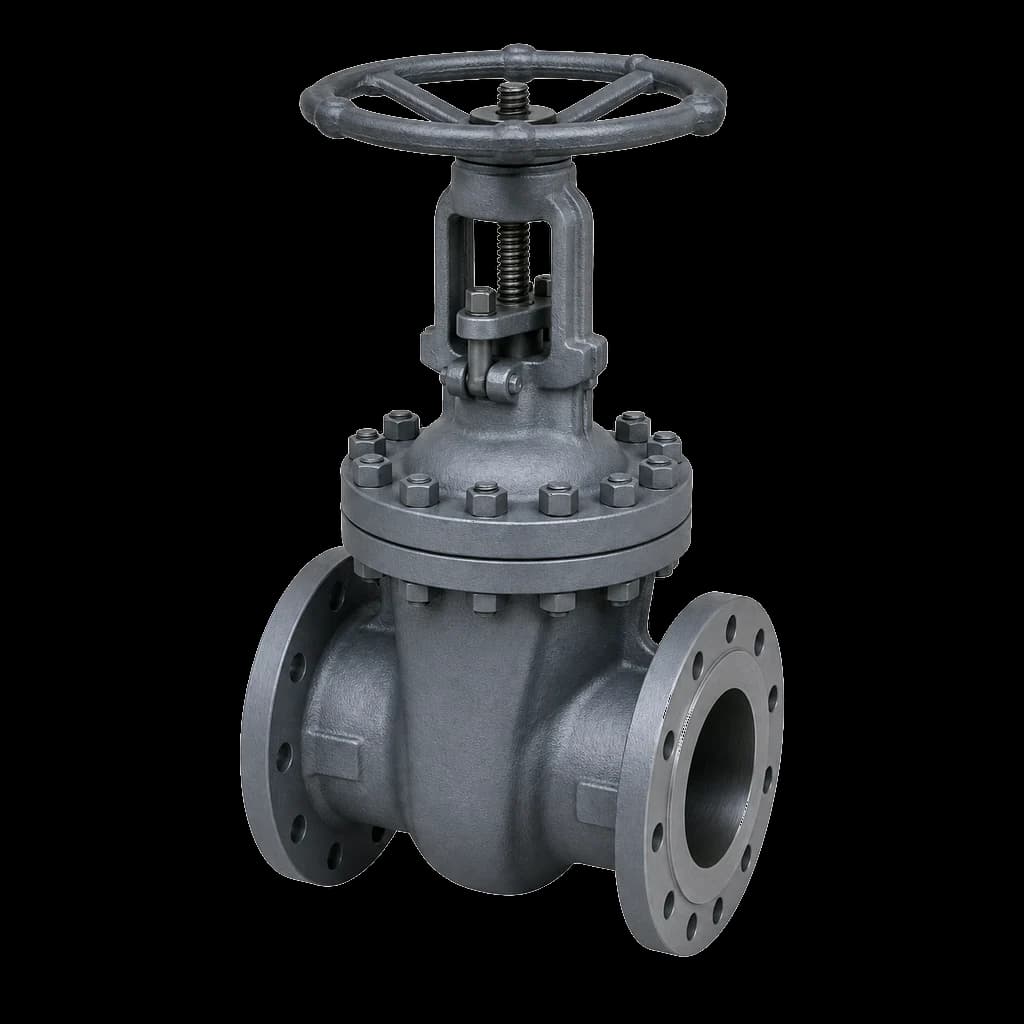
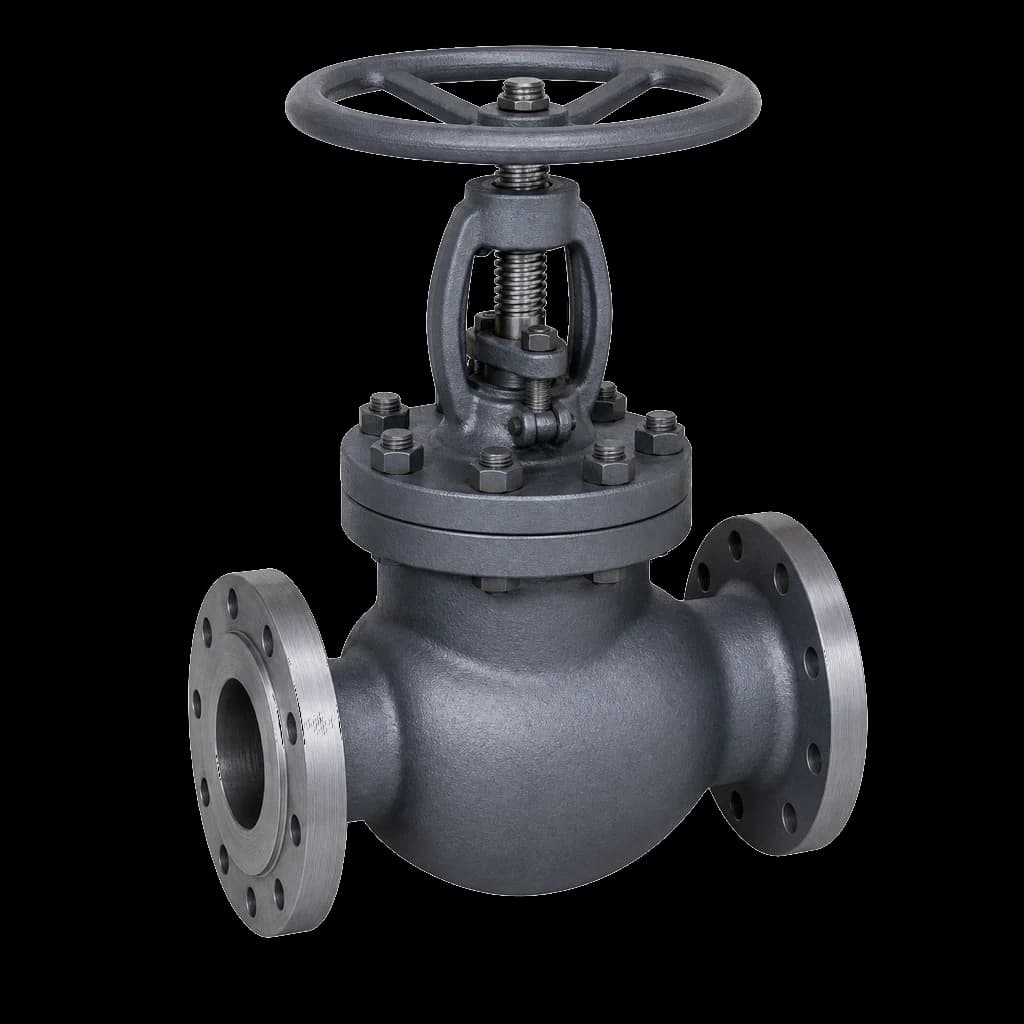
A wedge gate valve seals by mechanical interference, so it is unforgiving of distortion and deposit. Do not throttle one, not even for warm-through: damage starts on the first pass. The other common failure is a wedge that no longer reaches full seating — scale in the body bottom, a bent stem, or thermal distortion on a cycling line, which is why parallel-slide designs exist on high-temperature steam. Cast steel gate valves with renewable seat rings are worth reconditioning; small forged bodies with integral seats are not. A globe valve is built to throttle and still has limits: at ten per cent lift on a high differential the whole pressure drop lands on a narrow annulus of seat, and damage there alone means the trim characteristic is wrong.
Ball and check valves
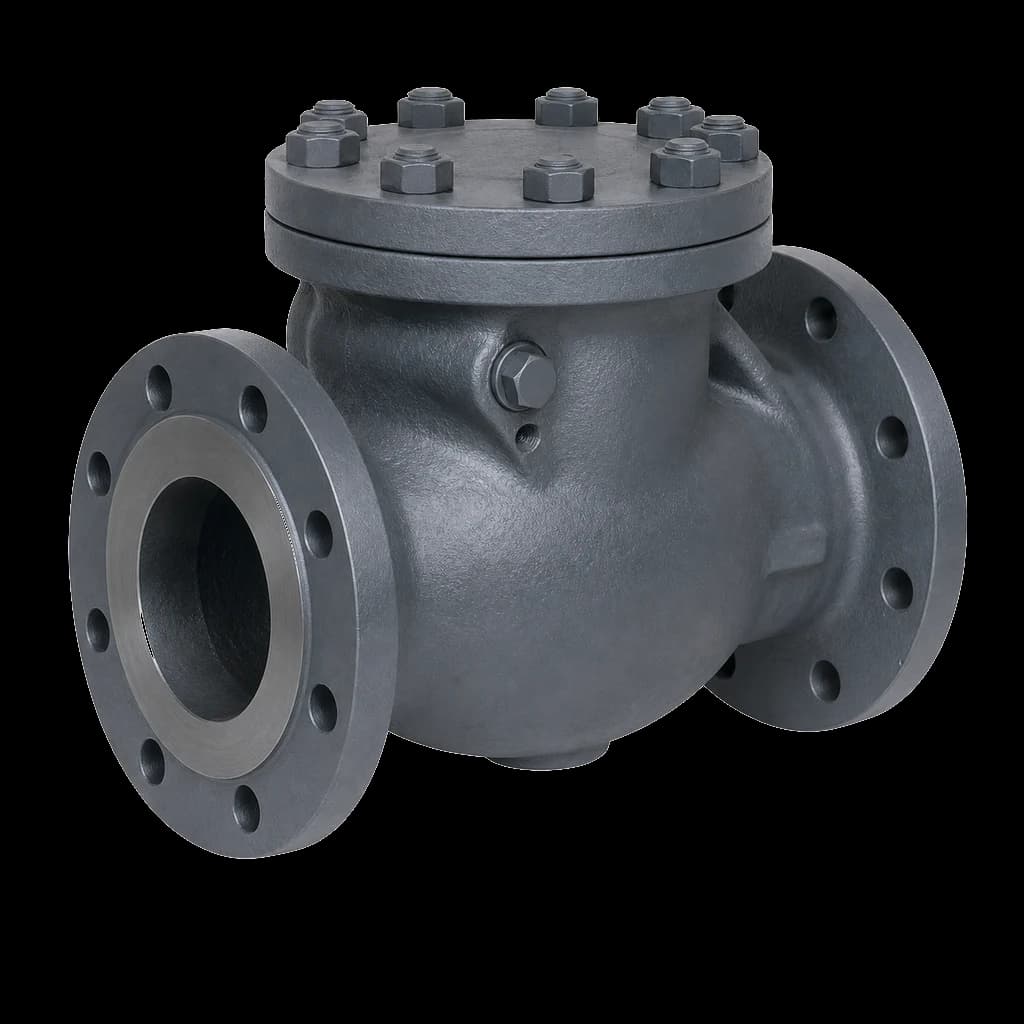
Soft seats fail three ways: crushed by over-pressure, cold-flowed at temperature, or cut by debris. Virgin PTFE runs to roughly 200 °C but derates sharply with pressure and creeps under load; RPTFE, PEEK and filled nylons each buy a different combination, as the seat materials guide sets out. Two traps: a floating ball valve seals on its downstream seat, so leakage one way may be normal upstream-seat behaviour; and self-relieving trunnion seats vent body-cavity pressure into the line by design. On check valves the root cause is usually oversizing: chosen on line size instead of velocity, the disc flutters at part flow, hammers its seat and wears the hinge pin. Before ordering from the check valve range, settle whether the duty wants a swing, dual-plate or wafer disc.
Field checks worth doing
- Ultrasonic survey. Contact probe on the downstream body, benchmarked against a tight valve on the same header. No isolation needed.
- Thermography. A passing valve leaves a warm downstream signature on steam and condensate; on chilled service the anomaly runs the other way.
- Torque and stroke. A gate valve suddenly needing more turns, or a ball valve whose torque has climbed, reports deposits early.
- Strainer inspection. The upstream screen is the plant's memory of what went down the line. Weld scale explains most first-year seat damage.
- Photograph the seat. A supplier can specify a replacement from a picture of the sealing face.
Repair or replace
Metal seats can be recovered. Lapping restores a scored seat that has no dimensional loss, portable grinders re-cut body seats in situ on large bodies, and a worn seat ring can be machined out and renewed in a workshop with a qualified procedure. The limits are dimensional, and they are hard.
- Wedge travel. Every lapping cycle lets the wedge sit deeper. Past a point the stem geometry, backseat and position indication no longer agree.
- Hardfacing thickness. A cobalt-chromium overlay is a finite deposit. Lap through it into the parent metal and the seat is soft, whatever the nameplate says.
- Pressure boundary. Erosion into the body wall or seat pocket ends the discussion: weld repair there needs a qualified procedure, NDE and re-test.
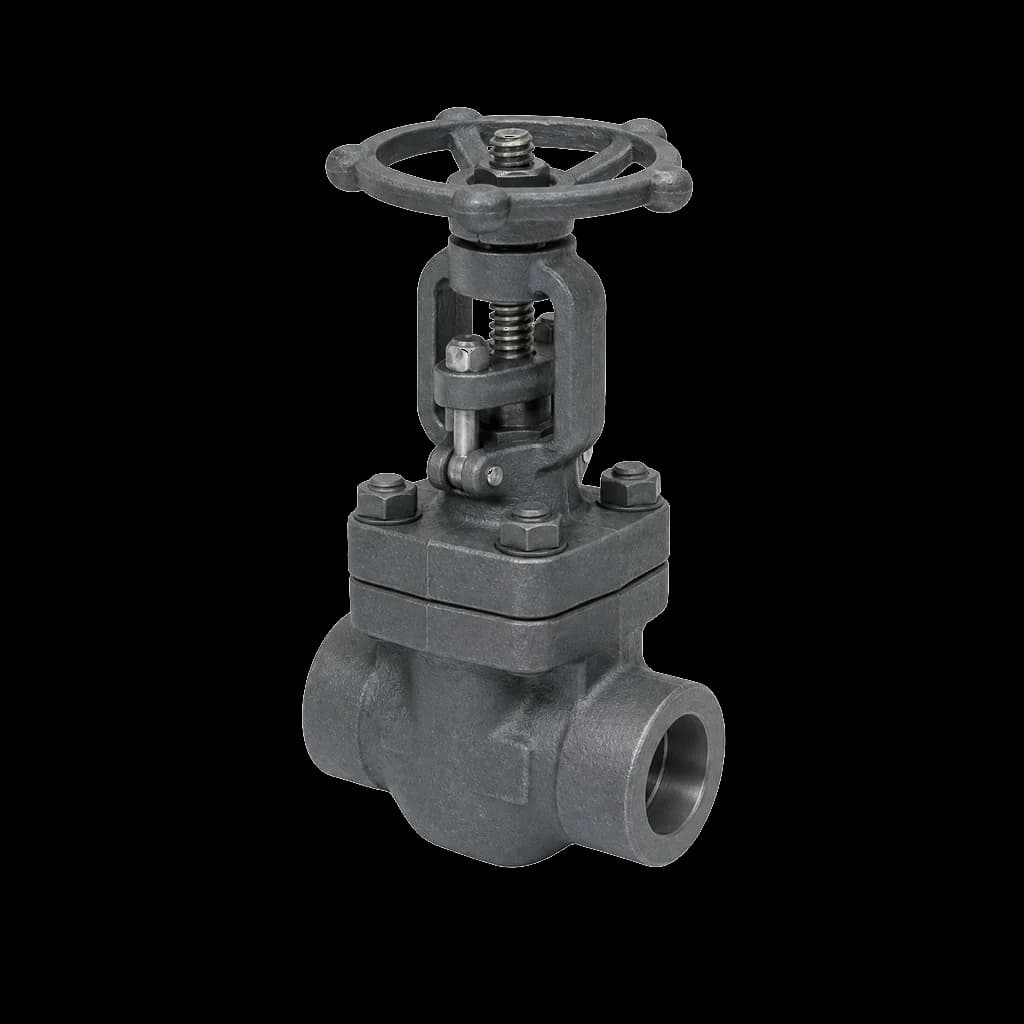
- Size. Below about two inches a forged body is rarely worth the labour; from six inches upward in cast steel that reverses.
The forgotten cost is documentation. A reconditioned valve going back into an IBR-licensed steam line needs its paperwork re-established, and a PSU or EPC client that specified EN 10204 3.1 on the original will expect equivalent traceability on the repair — which most local workshops cannot produce. A new valve with a clean MTC is often cheaper once inspection and delay are counted.
Specifying the replacement
Like-for-like reproduces the failure. Each diagnosis maps onto a specification change.
- Wire drawing: the valve type is wrong for the duty. Keep isolation on a gate or ball valve and move throttling to a globe valve or a control valve.
- Galling: break the material pair — a cobalt-chromium hardfaced seat and disc, not two matching stainless faces.
- Erosion: hardfaced trim, plus an honest look at whether velocity is above what any trim survives. The trim materials guide covers what each trim number buys.
- Debris: a strainer upstream and a flushing procedure that does not use the isolation valve as a filter.
Put the closure test on the purchase order instead of assuming it: API 598 as the minimum, an ISO 5208 rate where you want a number rather than an adjective, and who witnesses it. For boiler duty in India, say up front that the valve must arrive with IBR Form III-C, because retrofitting it after despatch is nobody's favourite conversation.