The HSN code for valves is one of the most-searched procurement questions in Indian industry, and most answers stop one line too early. Industrial valves live in heading 8481, steel pipe fittings in 7307, and both attract 18% GST. That much is easy. It is not enough to raise a PO that survives a three-way match, clear a shipping bill, or defend a classification to an assessing officer.
The rate costs nobody any time. The code does: which split under 8481 or 7307 an item belongs to, how many digits your invoice needs, and what happens when the PO and the invoice disagree.
HSN code for valves: heading 8481 and its subheadings
Heading 8481 covers "taps, cocks, valves and similar appliances for pipes, boiler shells, tanks, vats or the like". It is material-agnostic: a brass ball valve, a bronze globe valve and a cast steel WCB gate valve are all 8481, because Note 1(f) to Section XV pushes articles of Section XVI out of the base-metal chapters. And it is defined by function, not size or class — a 1/2" forged Class 800 gate valve and a 42" API 6D ball valve share the same four digits.
| Item | HSN | GST |
|---|---|---|
| Pressure-reducing valves | 8481 10 00 | 18% |
| Valves inside hydraulic or pneumatic power circuits | 8481 20 00 | 18% |
| Check valves — swing, dual plate, wafer disc, lift, foot | 8481 30 00 | 18% |
| Safety and relief valves | 8481 40 00 | 18% |
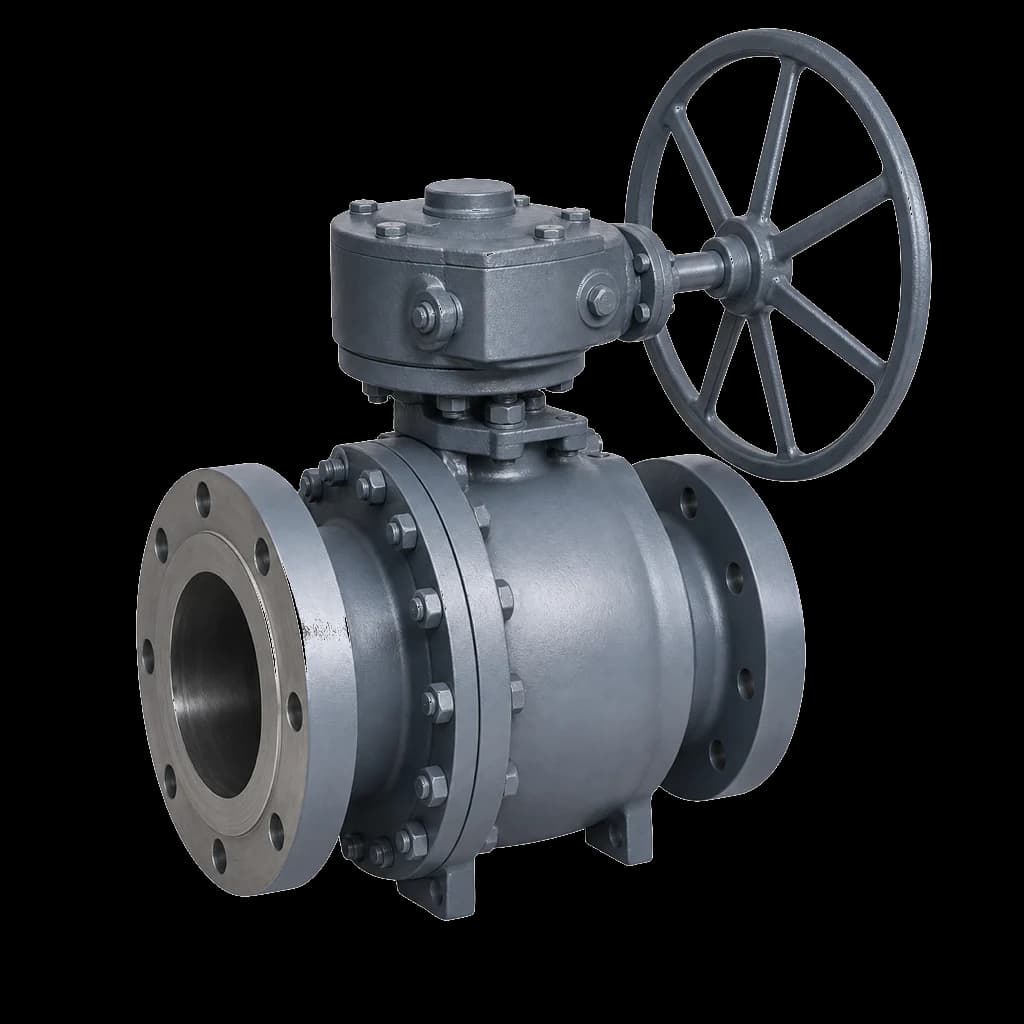
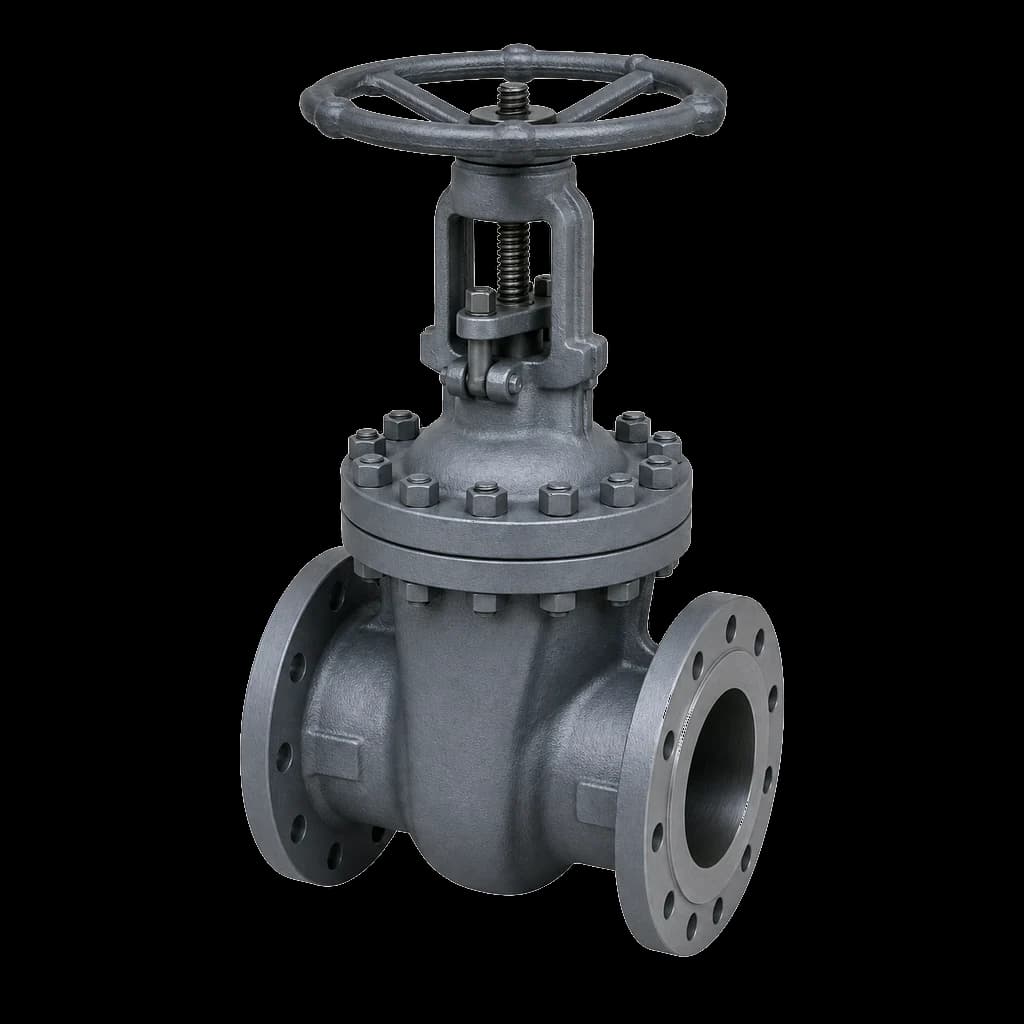
| Gate, globe, ball, butterfly, plug, sluice, needle valves | 8481 80 30 | 18% |
| Steam traps — thermodynamic, inverted bucket, float | 8481 80 | 18% |
| Valve parts sold as parts — seats, discs, stems | 8481 90 90 | 18% |
The first four subheadings run straight through to eight digits: 8481 10 00, 8481 20 00, 8481 30 00, 8481 40 00. 8481 80 is the residual bucket, and it holds the overwhelming majority of process valves. India splits it further, and the line that matters is 8481 80 30, industrial valves — gate, globe, ball, butterfly, plug and sluice all sit there, whatever the body material. Its neighbours catch what it excludes: 8481 80 10 and 8481 80 20 for taps and cocks in steel and in non-ferrous metal, 8481 80 50 for refrigeration expansion and solenoid valves, 8481 80 90 for the remainder. Parts run to 8481 90 90.
Two subheadings people routinely mis-pick
8481 20 00 is not for pneumatically actuated process valves. It covers valves forming part of an oleohydraulic or pneumatic transmission — directional control valves, solenoid pilots, spool valves in a power circuit. A pneumatically actuated ball valve on a process line stays with the industrial valves in 8481 80 30, and the actuator mounted on it is part of a composite supply. 8481 90 90 is only for parts sold as parts — a spare seat ring on a maintenance PO, not the same ring inside an assembled valve.
GST rate on valves: 18%, and the routes below it
Every heading above carries 18% — 9% CGST plus 9% SGST intra-state, 18% IGST otherwise. Valves have been there since 1 July 2017, as entry 368 of Schedule III to Notification 1/2017-Central Tax (Rate); 8481 never sat in the 28% slab, so a rate master showing 28% against it is a data-entry error rather than a legacy rate. Neighbouring lines did move — spiral wound gaskets under 8484 only came down to 18% when the November 2017 revision pruned the top slab. Three routes run below 18%, and none is a property of the code: all three attach to the transaction and its paperwork.
- Physical exports are zero-rated — ship under LUT, or pay IGST and claim refund. The shipping bill still carries the eight-digit HSN, and RoDTEP is notified against eight-digit lines.
- Merchant exports can be billed at a concessional 0.1%, but only if the exporter is registered with an Export Promotion Council or a recognised Commodity Board, the goods leave India within ninety days of your tax invoice, and your GSTIN and invoice number appear on the shipping bill.
- Supplies for specified petroleum operations attract a concessional rate under Notification 3/2017-Central Tax (Rate), subject to the prescribed certificate. Live on oil, gas and CGD packages — but the certificate must exist before the invoice is raised, not at reconciliation.
Pipe fittings HSN code: 7307, split by material and by joint
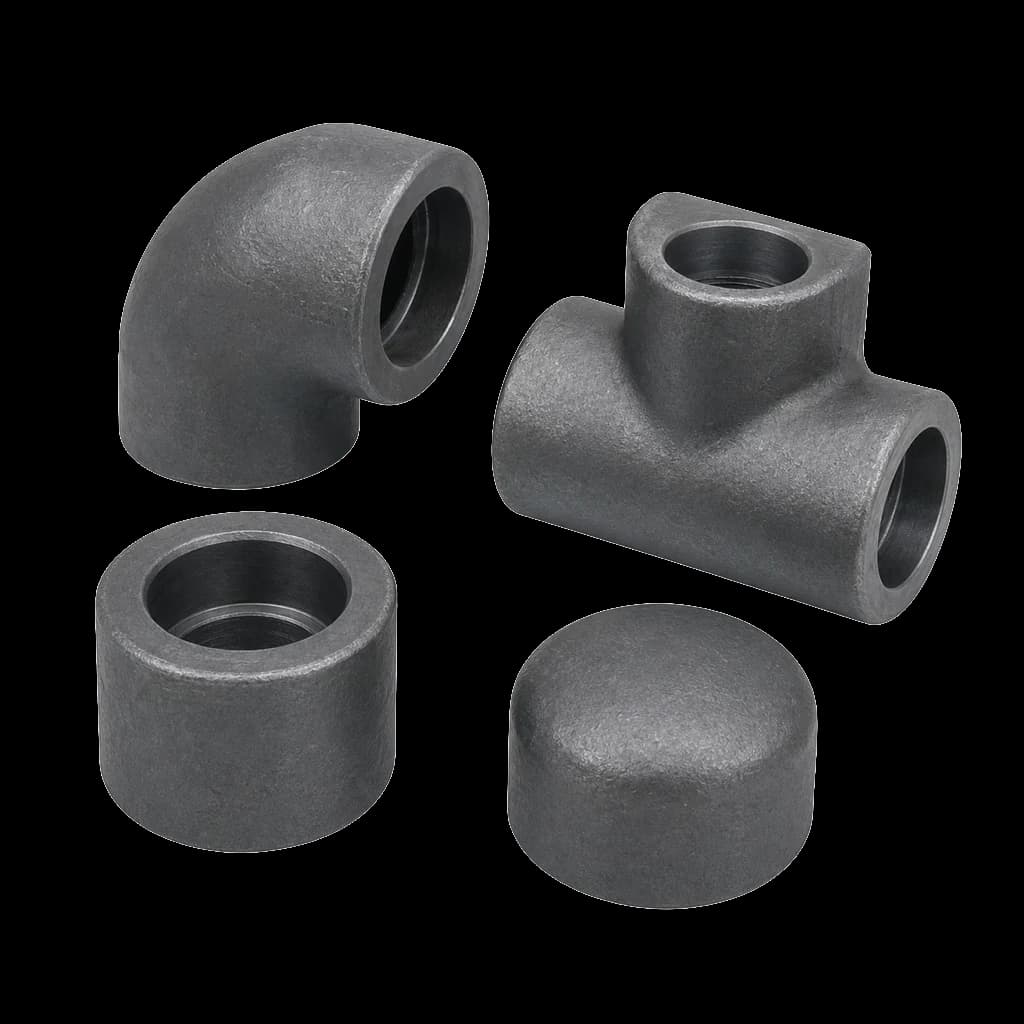
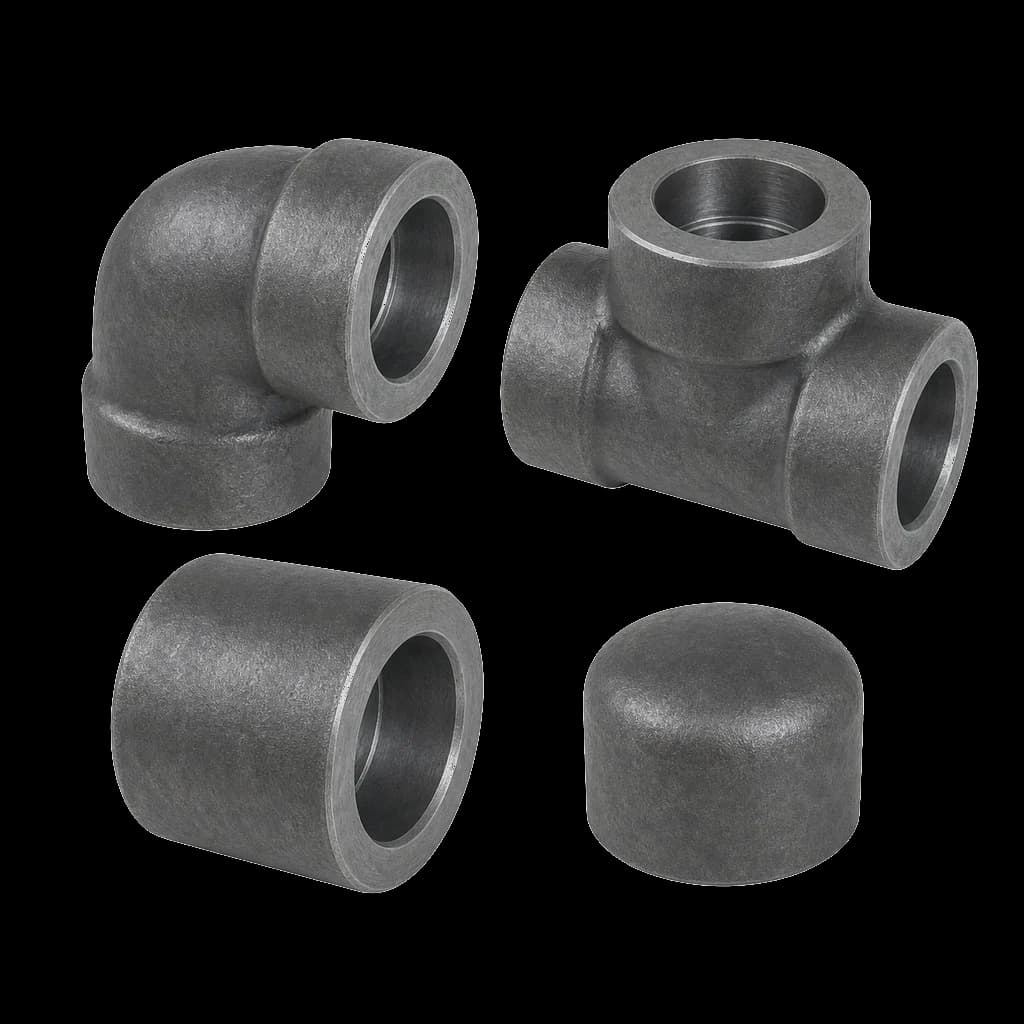
Iron and steel pipe fittings sit in 7307, and the subheadings are two-dimensional: first by material — cast, stainless, other steel — then by how the fitting joins the pipe. Butt-welding and socket-welding are different subheadings. A butt-weld elbow to ASME B16.9 and a socket-weld elbow to ASME B16.11 are not the same tariff line in the same grade of steel.
| Subheading | Covers |
|---|---|
| 7307 11 | Cast fittings of non-malleable (grey) cast iron |
| 7307 19 | Other cast fittings — ductile iron threaded and grooved, malleable GI, cast steel |
| 7307 21 | Stainless steel flanges |
| 7307 22 | Stainless threaded elbows, bends, sleeves |
| 7307 23 | Stainless butt-welding fittings |
| 7307 29 | Other stainless fittings — socket weld, unions, couplings |
| 7307 91 | Flanges of other steel — weld neck, slip-on, blind |
| 7307 92 | Threaded elbows, bends and sleeves of other steel |
| 7307 93 | Butt-welding fittings of other steel, ASME B16.9 |
| 7307 99 | Other fittings of other steel — forged socket weld, high-pressure threaded, unions |
A forged socket-weld fitting in carbon steel is therefore 7307 99, not 7307 93 — billing it as a butt-welding fitting is the commonest error on incoming POs. Ductile iron threaded fittings to ASME B16.3 and grooved couplings are cast fittings of a malleable material: 7307 19, not 7307 11. Copper-alloy fittings leave 7307 for 7412, still at 18%. The companion note on IS 1239 pipes and fittings covers the GI side of the same BOQ; the range VKS supplies sits on the pipe fittings pages.
Pipes, gaskets, bolting and the rest of the BOQ
A valve rarely travels alone on a purchase order. These are the adjacent headings, and the lines most often copied forward from an old PO with the wrong code.
| Item | Heading |
|---|---|
| Cast iron and ductile iron pipe | 7303 |
| Seamless steel pipe and tube | 7304 |
| Welded steel pipe over 406.4 mm outside diameter | 7305 |
| ERW and GI tube to IS 1239, other welded tube | 7306 30 |
| HDPE, uPVC and CPVC pipe and their fittings | 3917 |
| Spiral wound and metal-jacketed gaskets | 8484 10 |
| Stud bolts, hex bolts and nuts | 7318 15 / 7318 16 |
| Y-type, basket and pot strainers | 8421 — see note |
| Pneumatic actuators | 8412 31 / 8412 39 |
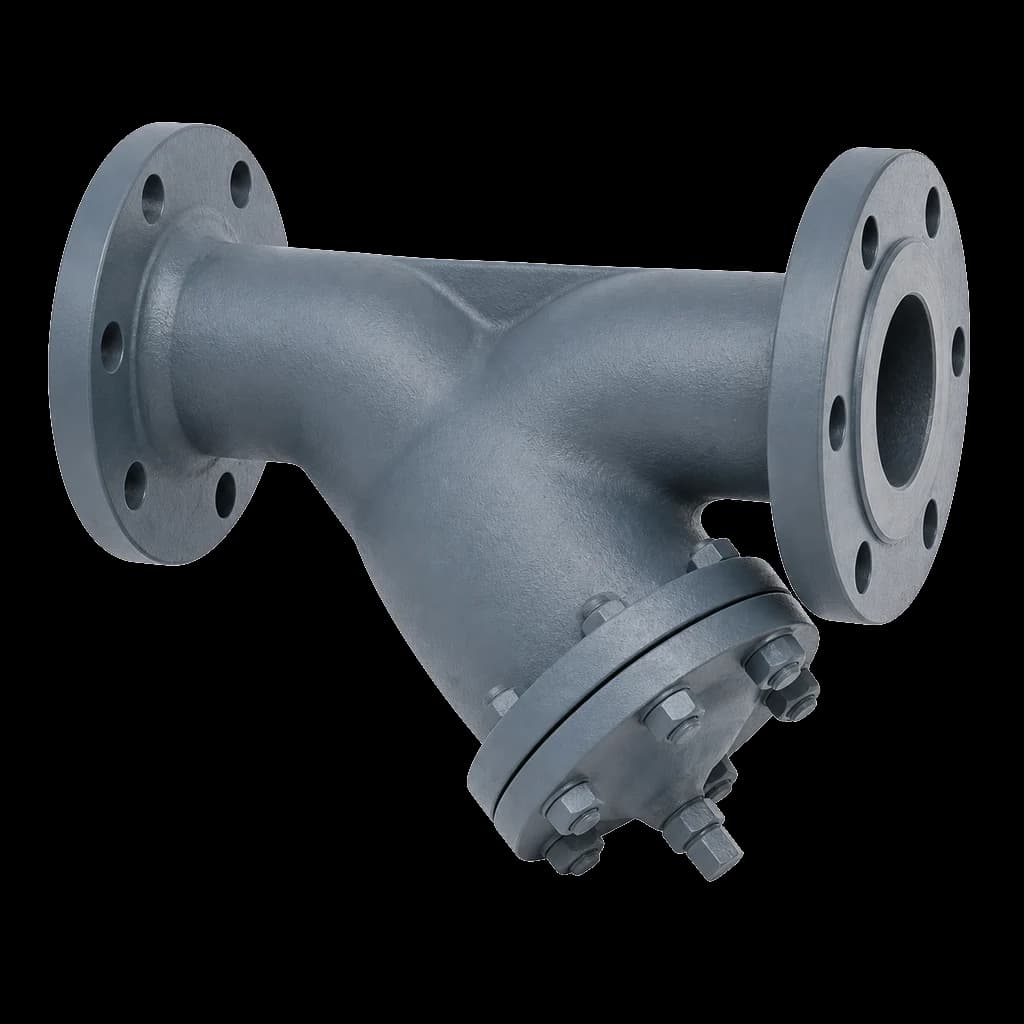
The strainer line earns its asterisk. A Y-strainer is filtering apparatus for a liquid or gas, and most Indian trade practice puts it in 8421. A minority put them in 8481 alongside the valves they ship with. Both are 18%, so no revenue is at stake — but hold one position across the PO, invoice, e-way bill and GSTR-1. An item that changes heading between your own documents is what triggers a query.
How many HSN digits your invoice actually needs
The digit count is statutory and turnover-based. Under Notification 78/2020-Central Tax, effective 1 April 2021, a supplier whose aggregate turnover exceeded five crore rupees in the preceding financial year must report six digits on every tax invoice; below that, four digits suffice on B2B invoices. The same code carries into the e-way bill and Table 12 of GSTR-1, which has to reconcile with invoice-level data. Nobody is compelled to print eight digits on a domestic sale — but there are two places you will want them.
- Imports and exports. The bill of entry and the shipping bill take the full eight-digit ITC-HS line, and drawback and RoDTEP schedules are written against eight digits. That is where the last two digits carry money.
- Tenders and rate contracts. PSU, GeM and EPC price-bid formats routinely ask for eight digits, and the evaluator compares them against your invoice at supply stage.
Where valve classification actually goes wrong
- Brass and bronze valves sent to Chapter 74. A bronze gate valve is 8481. Body material never moves a valve out of Chapter 84.
- Actuated valves split across two lines — valve on 8481 80 30, actuator on 8412 or 8501, one assembled item. Mounted, stroked and shipped as one valve, it is a composite supply classified by the valve.
- Every valve dumped into 8481 80 90. Convenient in the ERP, wrong at customs, and it costs visibility on spend and on export incentives.
- Companion flanges invoiced under the valve heading. Flanges supplied loose with a wafer butterfly valve are 7307 21 or 7307 91, not 8481.
- PO HSN and invoice HSN disagreeing. In most PSU and EPC systems this fails the three-way match at GRN and the payment sits until someone amends the PO. Not a tax problem — an unpaid invoice.
None of these is exotic, and all are cheap to prevent: agree the HSN at RFQ stage, print it on the quotation, carry it unchanged into the PO and the invoice. Our list of valve procurement mistakes covers the specification-side equivalents, and the valve RFQ format carries an HSN field for exactly this reason.
What a clean valve line item looks like
A PO line that will not generate a query carries size, class, end connection, body and trim material, the governing standard, the HSN at the digit count your turnover requires, the rate and the documentation called for: "Ball valve, 6", Class 300, RF flanged, ASTM A216 Gr WCB body, SS 316 ball and stem, full bore, API 6D, HSN 8481 80 30, GST 18%, EN 10204 3.1 MTC and hydro test report required." That line is unambiguous to the supplier, the stores clerk, accounts payable and the assessing officer. The ball valve range sets out the parameters that belong on it.