Every vague RFQ gets a quote — that is the problem. A vendor faced with "6 inch gate valve, qty 12" will assume a class, assume a material, assume flanged RF ends, and price the cheapest legitimate reading of your words. The quote lands fast and low; the requote cycle starts when your engineer reads it. Three rounds later you have the number you could have had in one, and your project schedule paid for the difference. The cure is mechanical: send the minimum data set, every time.
The minimum data set
| Field | Example | Why it changes the price |
|---|---|---|
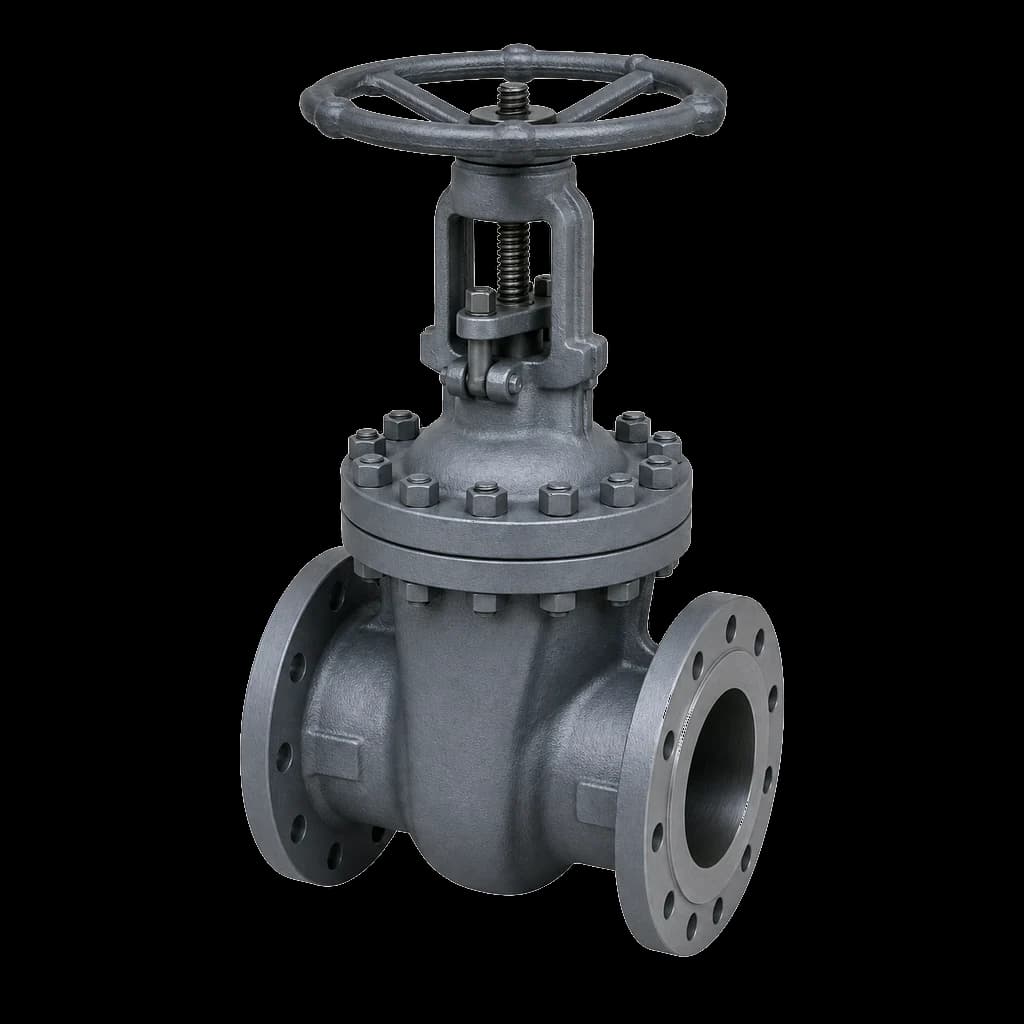
| Type & pattern | Gate, OS&Y, bolted bonnet | Pattern drives design standard |
| Size | 6" | — |
| Class | Class 300 | Wall, flanges, testing all scale with it |
| Design standard | API 600 | API 600 vs commercial pattern ≠ same valve |
| Body material | A216 WCB | CS→SS can triple a price |
| Trim | Trim 8 | Hardfacing is a real cost line |
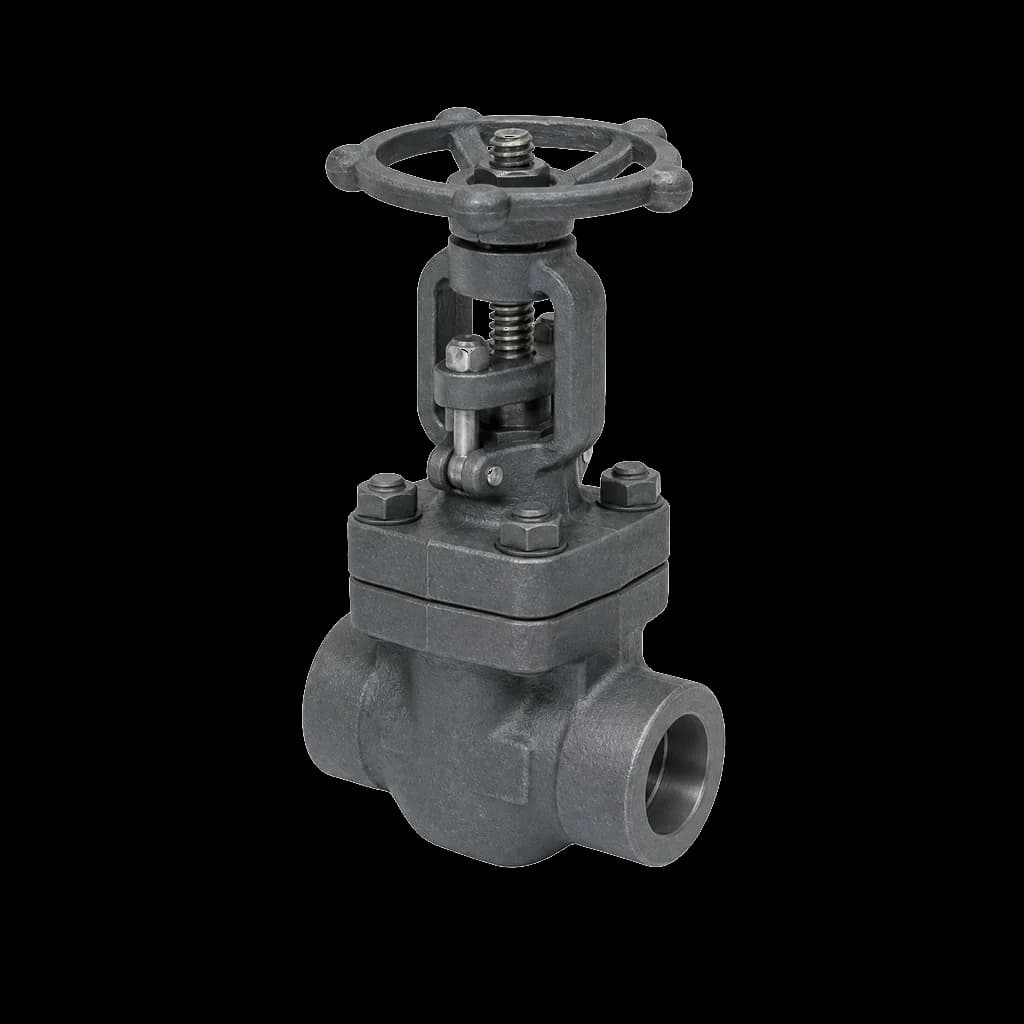
| Ends | Flanged RF, B16.5 | SW/BW/RTJ each change machining |
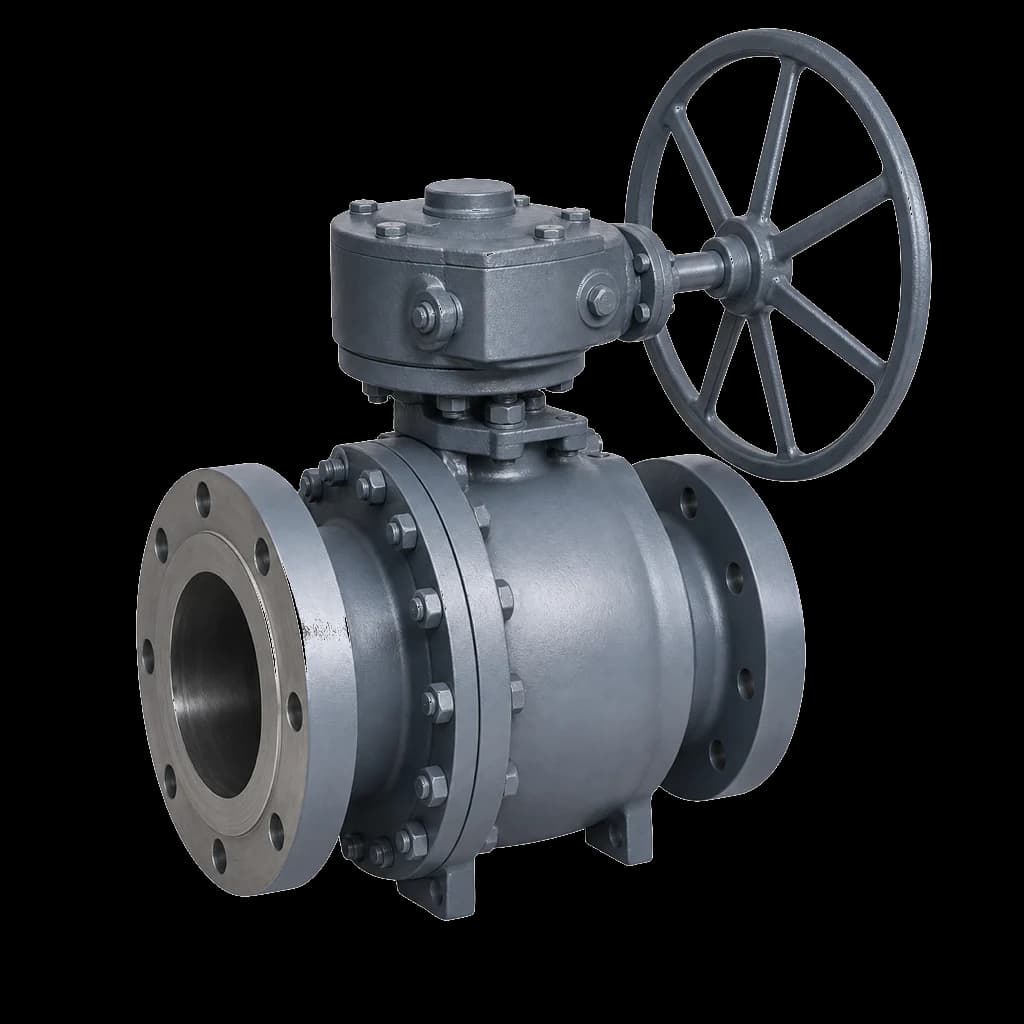
| Operation | Handwheel / gear / bare stem | Gearboxes are priced items |
| Testing | API 598 | Witness/extra tests add cost & days |
| Certification | IBR III-C, 3.1 MTC | Certified stock ≠ commercial stock |
| Quantity & delivery point | 12 pcs, site at Panipat | Freight and packing |
Eleven fields. A line item carrying all of them — *"Gate valve, API 600, 6", Class 300, A216 WCB, Trim 8, flanged RF B16.5, handwheel, API 598, IBR Form III-C + EN 10204 3.1, 12 pcs, delivered Panipat"* — can be priced firmly by any competent vendor in one pass. Our guide to reading a valve datasheet mirrors this list from the receiving end.
State design conditions, not just a class
If you know the class, state it. If you don't, state design pressure and design temperature and let the vendor derive the class from the B16.34 tables — the method in our class ratings guide. What kills projects is the third option: naming a class copied from operating conditions. A header running 20 bar at 300 °C is not a "Class 150 duty" just because 20 bar sounds small — at temperature, Class 150 WCB carries about half that. Vendors quote the class you wrote, not the one you needed.
Certifications: the field that cannot be retrofitted
Say it at RFQ stage or lose the option: IBR Form III-C exists only for material certified during manufacture; 3.2 MTCs require a third party at the works; fire-safe and NACE compliance are built in, not stamped on. A quote for commercial material converted mid-order to certified material is a new order with a new price and a new delivery — the classic mistake dissected in our procurement mistakes article.
Attachment hygiene
- Send the line list or BOQ as a table (spreadsheet beats PDF beats photo of a printout). One row per size/class/material combination.
- Attach the piping-class extract or valve datasheet where one exists — it answers fifty questions you didn't think to ask.
- Tender extracts: send the technical pages, not the whole 400-page volume; flag the clauses on testing, inspection and documentation.
- Drawings matter for non-standard face-to-face, bypasses, locking devices, extended stems — anything a catalog model doesn't show.
Brand preferences and "or equivalent"
If the end client's approved-makes list governs, say so — "makes: as per attached AVL" — and the vendor quotes inside it. If you write "XYZ make or equivalent," define what equivalence means to you: same design standard, same trim, same certification scope. Left undefined, "equivalent" becomes a price race to the loosest interpretation, and the low bid wins on the one dimension you didn't specify.
Evaluate the quote beyond the unit price
- Delivery — quoted weeks, and whether they start at PO or at drawing approval.
- Documentation scope — MTCs, test certificates, IBR forms included or extra? A ₹500 saving that arrives without its 3.1 certificate is not a saving.
- Deviation list — a professional quote states its deviations; silence usually hides them.
- Warranty and support — who answers when a valve weeps at hydro test on site?
- Consistency — a quote that priced your 11 fields exactly is evidence the order will be executed the same way.