Three letters at the end of a flange callout — RF, FF or RTJ — decide whether a joint seals, weeps or cracks a valve body. The raised face flange is the default across carbon and stainless steel piping, and most engineers write it without thinking. That habit holds until the mating half is grey cast iron, or the class climbs past 600. Facing is a decision separate from the flange standard, the pressure class and the gasket, and it has to agree with all three — plus the end connection of the valve you are buying.
Facing is a separate decision from class and standard
The pressure class tells you what the joint can hold. The flange standard — ASME B16.5 or B16.47 — fixes outside diameter, thickness, bolt circle and drilling. Neither tells you how the bolt load reaches the gasket. That is the facing's job, and it works by controlling contact area.
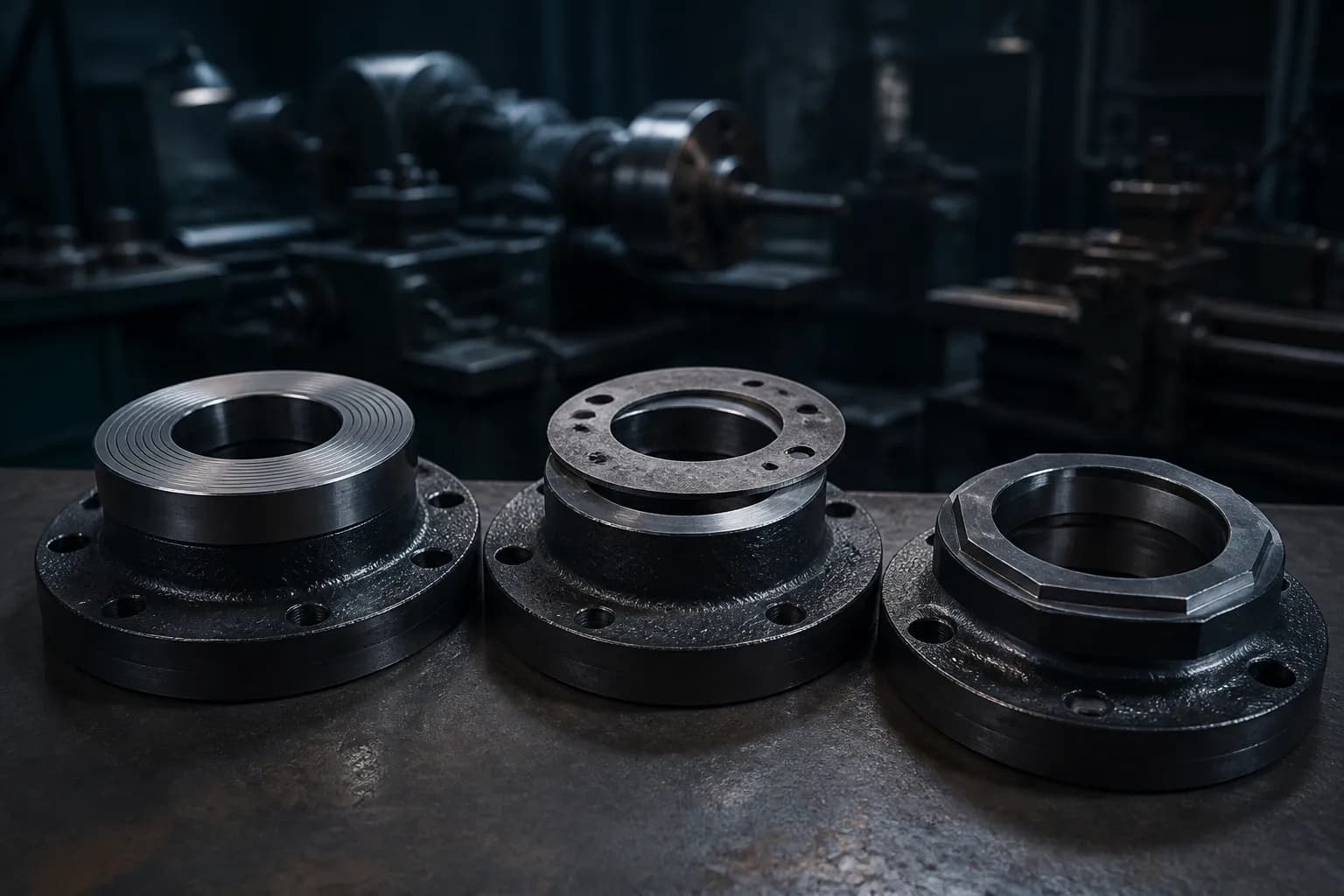
A raised face concentrates the whole bolt load onto a narrow annulus about the width of the gasket, so seating stress is high and stays high as the joint relaxes. A flat face spreads that load out to the flange OD, so seating stress falls sharply — which is why FF demands a soft, full-face gasket that seals at low stress. An RTJ groove goes the other way: it drives the load onto two line contacts on the ring flanks, generating a stress no sheet gasket would survive.
| Facing | Designation | Class range in practice | Matching gasket | Belongs on |
|---|---|---|---|---|
| Raised face (RF) | B16.5 RF; EN 1092-1 Type B | 150 to 2500 | Spiral wound to B16.20, compressed sheet, PTFE envelope | Carbon, alloy and stainless piping — the default |
| Flat face (FF) | B16.5 FF; EN 1092-1 Type A | 150 and 300; PN 10, PN 16 | Full-face non-metallic to ASME B16.21 | Grey cast iron, GRP, water and fire mains |
| Ring type joint (RTJ) | B16.5 RTJ; API 6B and 6BX | Used from 600, standard at 900 up | Metal ring to ASME B16.20 — style R, RX or BX | Refinery hot lines, high-pressure hydrocarbon, wellhead |
From Class 600 up the choice narrows towards RTJ; down in water and fire service, flat face takes over. Settle the class first — our guide to pressure class ratings shows why a Class 150 carbon steel flange rated 285 psig at ambient holds barely a third of that at 400 °C, which often pushes a line up a class and into a different facing.
The raised face flange: height, serrations and finish
The 1/16 in. that becomes 1/4 in.
In ASME B16.5 the raised face is 1/16 in. (1.6 mm) high for Class 150 and Class 300, and that height is included in the tabulated flange thickness. From Class 400 upward it is 1/4 in. (6.4 mm) and is not included. Two consequences bite fabricators: a Class 600 flange is longer than its thickness column suggests, so spool and stud lengths must come from the facing detail; and a drawing that says only "RF" with no class gives the shop nothing to cut studs from.
The serrations are doing real work
B16.5 does not permit a mirror finish on a raised face. It calls for a serrated concentric or serrated spiral finish of 125 to 250 µin Ra (3.2 to 6.3 µm) — the gramophone-record surface, cut with a tool of roughly 1.5 mm (0.06 in.) radius at 45 to 55 grooves per inch. Those serrations bite into a soft gasket and resist radial creep and blowout. Grind a face smooth to "clean it up" and the gasket extrudes outward under load instead. The defect that actually gets flanges rejected is the opposite one: a radial scratch deeper than the serrations, from a slipped tool or a dropped valve, is a leak path straight out of the joint. A circumferential tool mark usually is not.
| Facing and gasket | Finish called for | Typical roughness |
|---|---|---|
| RF or FF with spiral wound, sheet or graphite | Serrated concentric or spiral (stock finish) | 125–250 µin Ra (3.2–6.3 µm) |
| RTJ groove seating surfaces | Smooth machined, never serrated | 63 µin Ra (1.6 µm) max |
| RF with soft PTFE or envelope gasket | Smoother than stock, by agreement | A deviation — state it on the PO |
Flat face flanges and the cast iron rule
Flat face exists mainly for brittle mating flanges. Grey cast iron has essentially no ductility, and bolted against a raised face it carries the reaction outside the gasket as a bending moment about the hub. The casting cracks — often not at assembly but weeks later, on the first thermal cycle or the first surge. The rule is not negotiable: when either half of a joint is grey cast iron, the joint is flat face with a full-face gasket.
- Steel to cast iron: machine the raised face off the steel flange so the faces sit flush, and fit a full-face gasket with the bolt holes cut.
- Bolting: many specifications deliberately downgrade cast iron joints to a low-strength grade such as ASTM A307 Grade B, so the stud yields before the casting fractures — the reverse of the A193 B7 / A194 2H default you use everywhere else, and it is on purpose.
- Ductile iron is a different material. DI to IS 1865 or ASTM A536 has real elongation and tolerates a raised face, which is why DI-bodied valves are routinely supplied RF. Confirm the grade: "CI valve" in a tender is frequently DI in the offer.
- Never put a ring gasket in a flat face joint. Confined inside the bolt circle between two flat faces, it reproduces the exact bending moment you were avoiding.
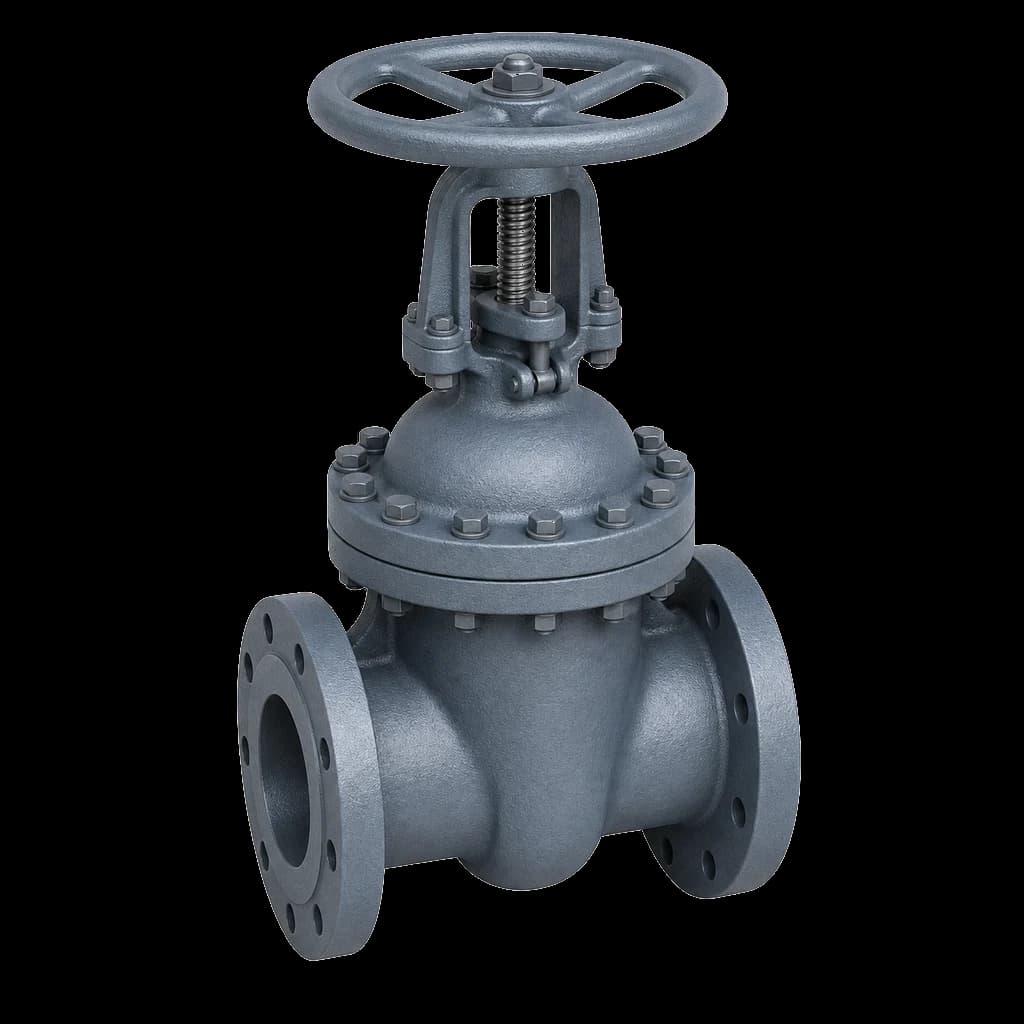
Indian water and fire practice runs into this constantly. Cast iron sluice valves to IS 14846 — such as the Kartar sluice gate valves VKS supplies — are furnished flat faced and drilled to IS 1538 unless the tender names another table. Wet risers, hydrant headers and pump house manifolds built around CI valves are flat face end to end. Drop one RF steel spool into that run without machining it flush and you have installed a crack with a delay fuse on it.
Ring type joint facings: R, RX and BX
RTJ replaces surface contact with a machined groove and a solid metal ring. Bolt load drives the ring flanks against the groove walls until the ring yields locally and conforms; internal pressure then pushes it outward against the groove, so the seal is partly self-energising and rides out thermal cycling that would relax a sheet gasket. B16.5 dimensions ring joint flanges from Class 150 up, but the facing only earns its cost from Class 600 and becomes the house default at Class 900 and above.
| Style | Cross-section | Groove it fits | Where you see it |
|---|---|---|---|
| R octagonal | Octagonal | Standard flat-bottomed groove per B16.20 | B16.5 ring joint flanges; preferred for new work |
| R oval | Oval | Same groove, plus older radiused-bottom grooves | Legacy flanges only — specify octagonal otherwise |
| RX | Pressure-energised, taller than R | The same standard R groove — interchangeable | API 6B wellhead and drilling equipment |
| BX | Pressure-energised, with a pressure-balance hole | Its own BX groove only | API 6BX flanges, the highest ratings |
In service the joint obeys three rules. The ring must be softer than the groove — B16.20 caps ring hardness by material, 90 HB for soft iron and 160 HB for austenitic stainless — so that the ring, not the flange, absorbs the damage. Groove seating surfaces are machined smooth, never serrated. And a ring is single-use: it has taken a permanent set and will not seal the same groove twice. A scored groove must be re-machined to the B16.20 dimensions or the flange is scrap.
RTJ costs you where the gasket line does not show it. Ring joint flanges are dimensioned separately in B16.5 and are heavier than the RF equivalent, and valves with RTJ ends carry their own face-to-face dimensions in ASME B16.10 — so a late RF-to-RTJ change alters spool lengths. Specify RTJ because the class, temperature or fluid earns it, not because it reads as more serious.
Matching the facing to the valve end connection
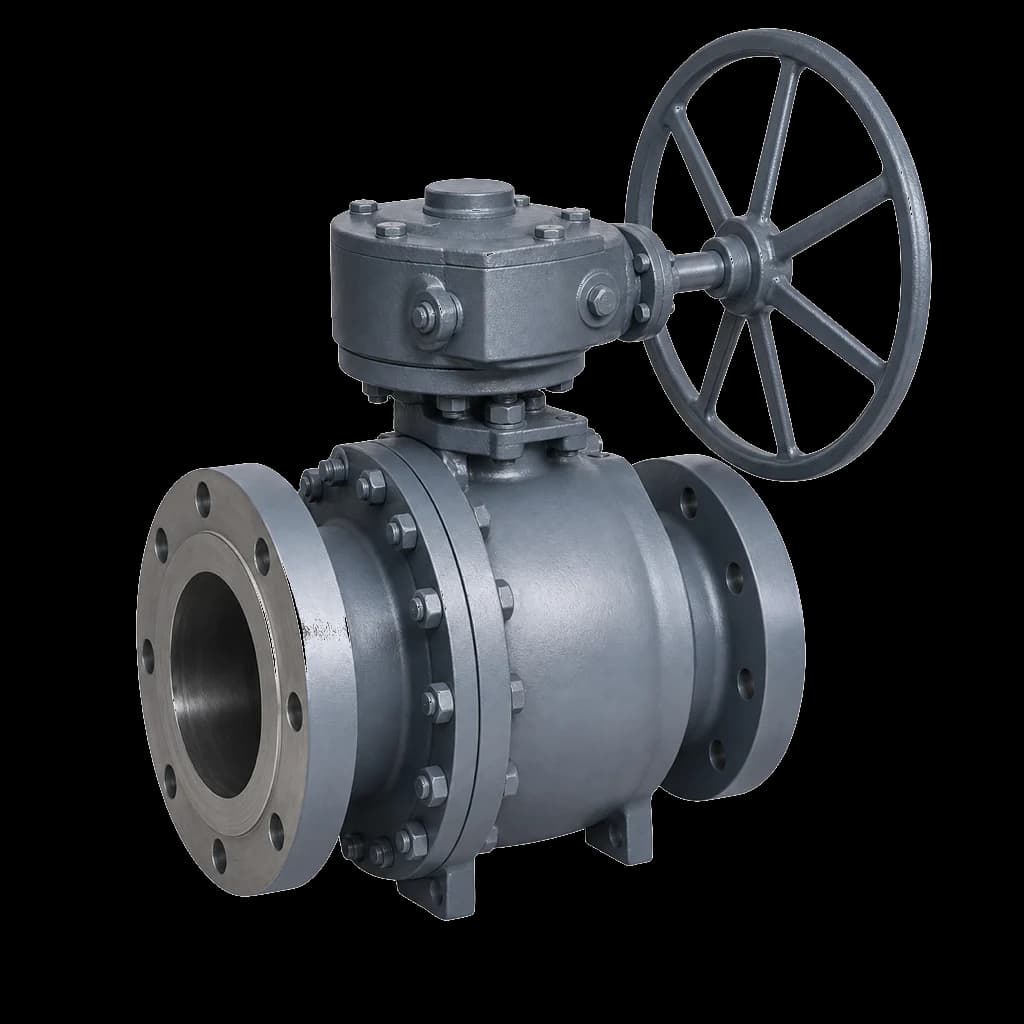
Facing also constrains which valve construction you may buy, which is how a facing error becomes a commercial problem rather than a drawing correction.
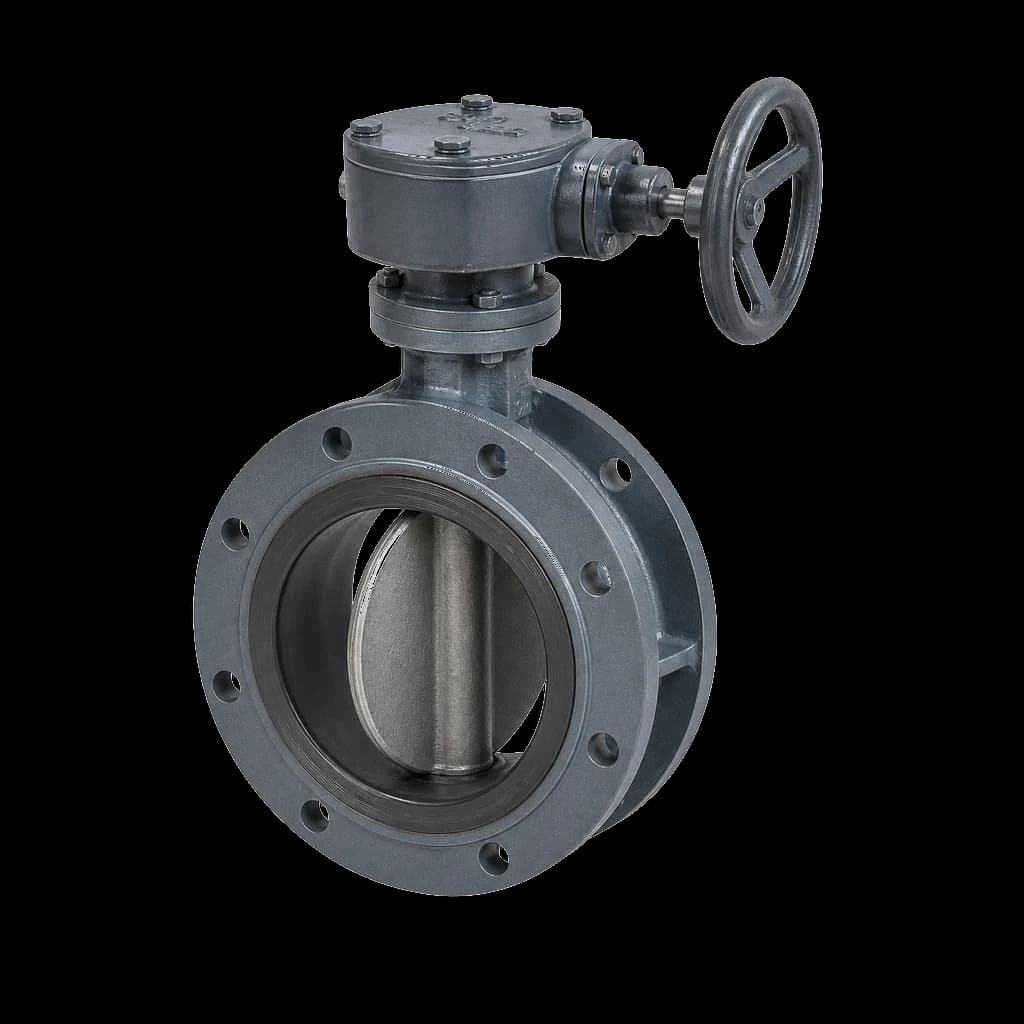
- Wafer and lug butterfly valves sit between the flanges and use their own resilient liner as the gasket. They work against raised or flat faces but cannot go between RTJ flanges — that needs a double-flanged body with grooves machined into it. Settle it before the butterfly valve enquiry goes out; it changes the construction, not a note on the datasheet.
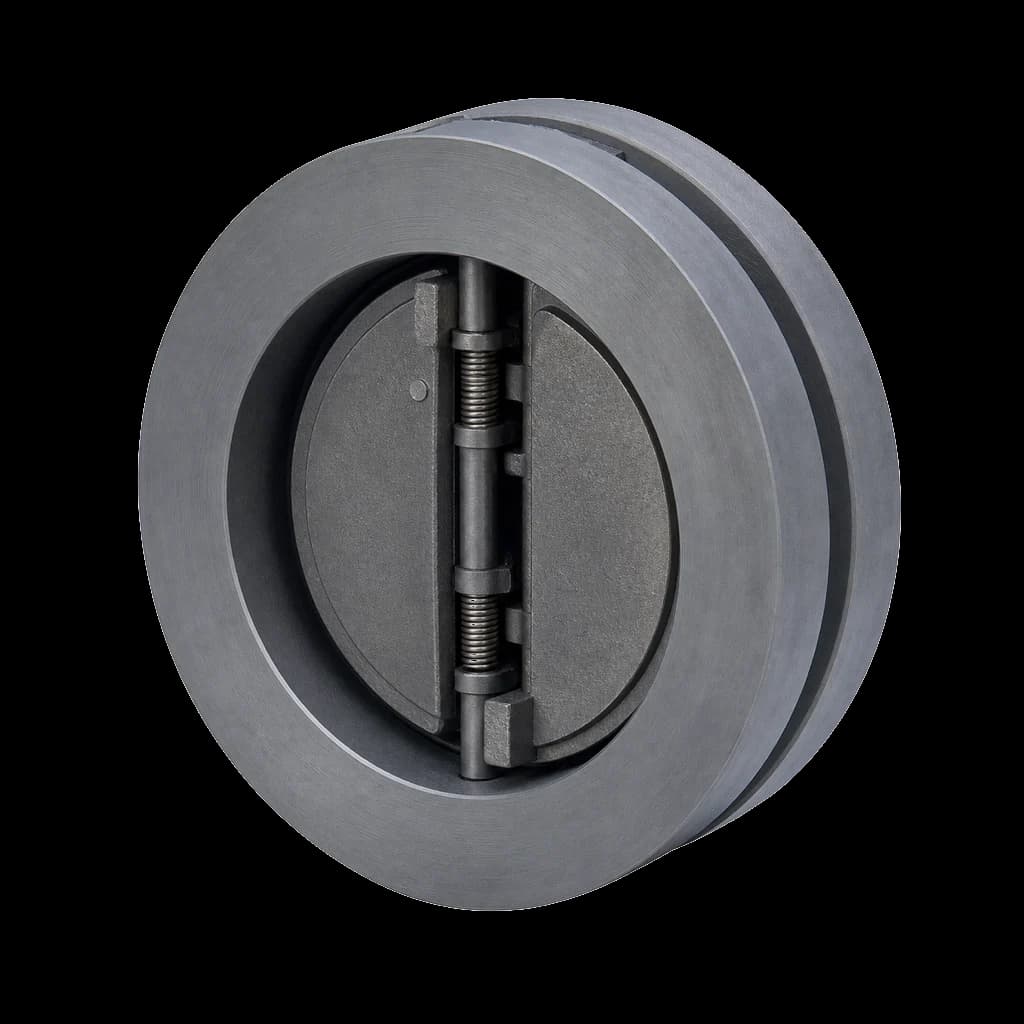
- Dual plate check valves carry the same constraint: an API 594 Type A wafer body needs plain flange faces, RTJ service needs the double-flanged variant.
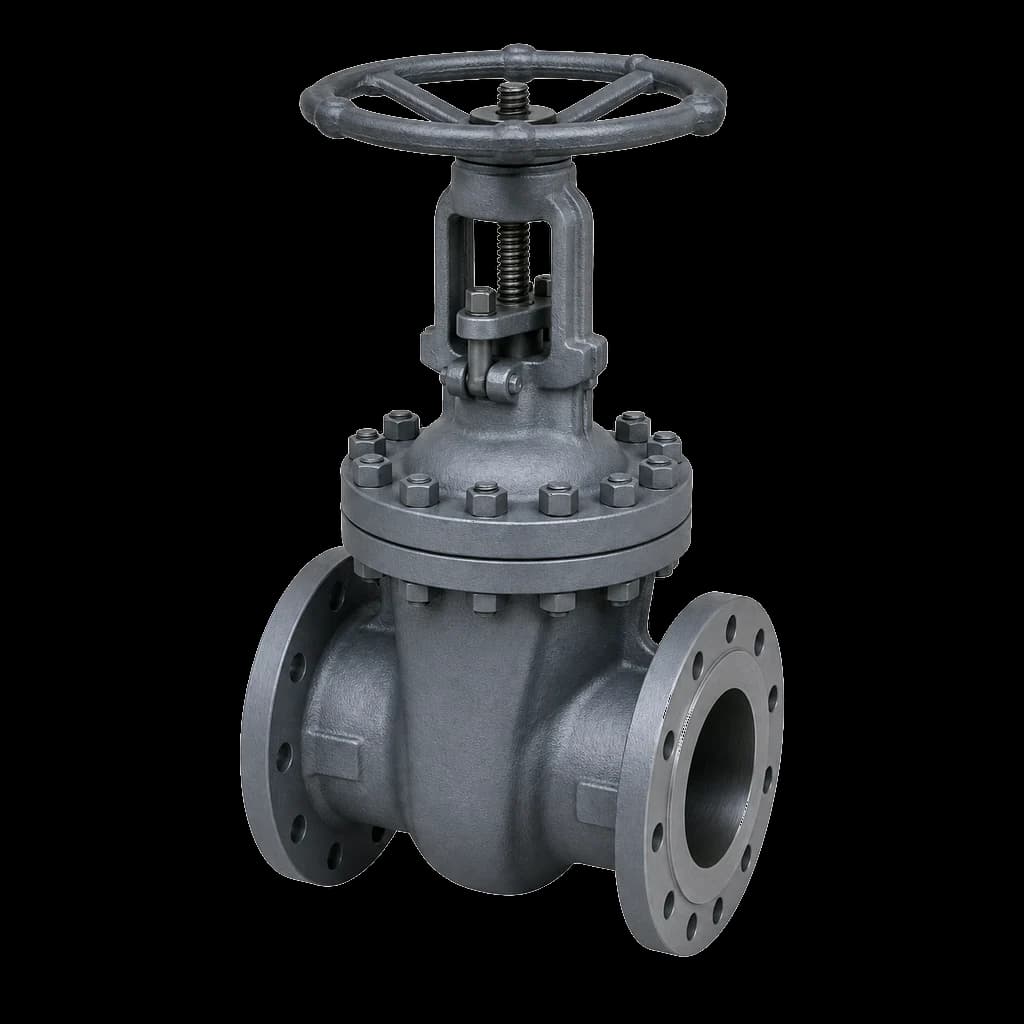
- Cast steel gate, globe and check valves are supplied RF as standard, RTJ to order. ZED cast steel gate valves up to 42" come RF unless the datasheet says otherwise, so an RTJ requirement must be written into the enquiry.
- Facing condition is an inspection item. Put flange face and groove examination on the FAT checklist beside the hydrostatic test — a damaged serration on a 24" body is found far too late at site.
Drilling tables: where Indian tenders come apart
Facing and drilling are separate specifications and they fail separately. Indian projects routinely mix flange systems inside one plant: ASME B16.5 Class 150 on process, EN 1092-1 PN 10 or PN 16 on utility water, IS 1538 on cast iron fittings, and legacy BS 10 Table D, E or F drillings carried forward in older water and fire tenders. EN 1092-1 also uses its own facing names — Type A is the flat face, Type B the raised face, B1 and B2 differing in roughness.
- PN 10 and PN 16 do not interchange with Class 150 across the size range, even where the bolt count coincides. Check pitch circle diameter, hole count and hole diameter, in that order.
- BS 10 tables persist in CPWD, PWD and municipal water specifications. If the tender says Table E, quote Table E — do not substitute Class 150 and expect a drilled adaptor to be accepted later.
- Put facing and drilling on one line of the schedule. "DN 200, PN 16, flat face, drilled to EN 1092-1" leaves nothing open; "DN 200 flanged" leaves everything open.
- Under IBR, the joint detail and the certification travel together: the facing on the drawing and the Form III-C paperwork must describe the same valve.
What the flange line of your RFQ must say
An enquiry that omits the facing comes back carrying an assumption, and the assumption is almost always RF. State all of it:
- Facing: RF, FF or RTJ — and for RTJ, the ring number and style (R octagonal, RX or BX).
- Standard and class, or PN with the drilling table where the standard does not imply it.
- Facing finish, if anything other than the serrated 125–250 µin Ra stock finish is needed.
- Body and flange material — it governs groove hardness and whether flat face is compulsory.
- Gasket and bolting scope: spiral wound with which winding and filler, full-face non-metallic, or ring joint — and whether those sit in your scope or the supplier's.
That last line is where money quietly leaks: a valve bought RF against a gasket bought for FF is a mismatch discovered at the store instead of at the enquiry. Our note on spiral wound gasket selection covers the winding, filler and inner-ring choices that pair with a raised face.